Can latex balloons cause allergies?
Short answer: yes—natural-rubber latex can cause reactions
Latex balloons can cause allergic reactions in people who are sensitive to natural-rubber latex. Reactions and severity differ, so a website cannot diagnose risk or declare one finished balloon safe for an individual. A person with known or suspected latex allergy should avoid exposure and obtain qualified medical advice.
AIHUA supply boundary: AIHUA's confirmed active range here is natural-rubber latex balloons. AIHUA does not claim a non-latex balloon range on this page and does not guarantee that another material is safe for every person.

What is the relevant material and health boundary?
Natural rubber latex comes from the rubber tree and contains plant proteins. The US FDA explains that some proteins can cause reactions in latex-sensitive people; the CDC/NIOSH also advises limiting exposure to natural-rubber latex for allergy prevention. See the FDA natural-rubber latex overview and CDC/NIOSH prevention guidance.
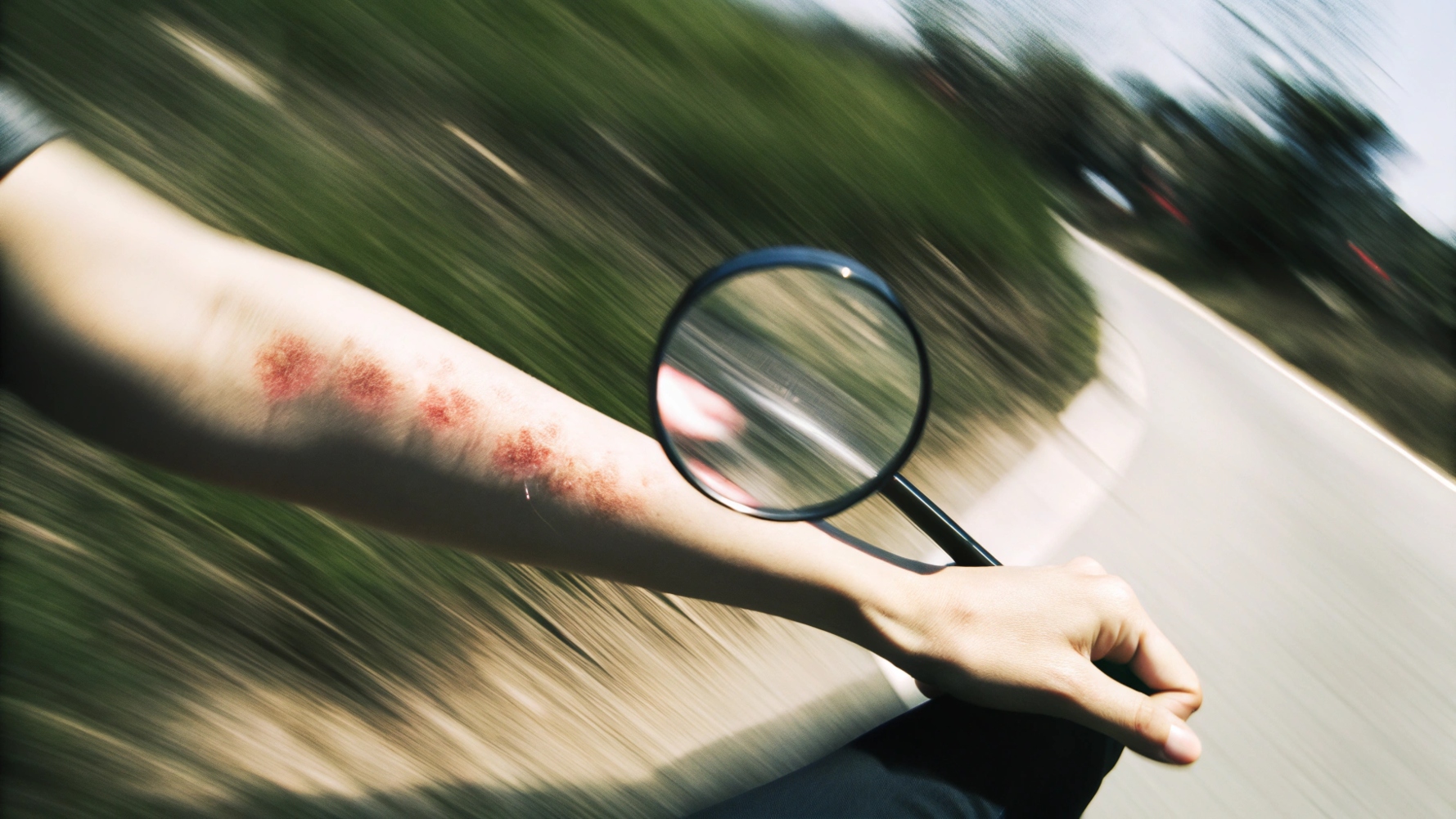
Symptoms can have different causes, and irritation is not the same as a confirmed allergy. Do not use a photograph, internet checklist or product trial as a diagnosis. If breathing difficulty, widespread reaction or another urgent symptom occurs, seek emergency medical help according to local guidance.

What should a professional event or distributor record?
| Decision field | Required record | Unsafe shortcut |
|---|---|---|
| Material | Natural-rubber latex stated in the product specification and buyer-facing information. | Assuming “rubber,” “eco” or a finish name explains allergy risk. |
| People/venue | Known venue restrictions and allergy information handled through the responsible safety process. | Asking a sensitive person to test a balloon. |
| Alternative | Exact material statement and supplier evidence for the alternative product. | Calling an alternative universally non-allergenic or safe. |
| Communication | Written material disclosure for staff, installers and the buyer where relevant. | Relying on color, packaging artwork or verbal assurance. |
Why does processing not create an allergy guarantee?
Manufacturing steps can affect a finished article, but this page does not claim that washing, leaching, powdering or any other step removes allergy risk. A process description cannot predict one person's response. Likewise, the words “reduced protein,” “powder-free” or a general safety report should not be converted into a personal medical assurance.
For the distinction between raw latex and the compounded finished article, use AIHUA's latex balloon material guide. For document scope, use the certificate-scope checklist; a submitted-sample test is not a clinical allergy evaluation.

How should a buyer handle non-latex alternatives?
Products made without natural-rubber latex exist in the wider market, but their material, performance, labeling, components and suitability must be verified with the actual supplier. The phrase “latex-free” can be ambiguous, and an alternative material can have different hazards or venue limitations. AIHUA does not use this educational paragraph as a commercial claim that it supplies foil, plastic, TPU, PVC, vinyl or another non-latex balloon.
What can AIHUA confirm before an order?
Contact AIHUA with the exact natural-rubber latex item, size, color, print and packing, destination, venue material restriction and the wording needed for the product file. AIHUA can confirm the order scope and available product documents. Medical diagnosis, individual safety approval and selection of a third-party alternative remain outside AIHUA's role.
Buyer FAQ
Can natural-rubber latex balloons cause allergic reactions?
Yes. Natural-rubber latex contains proteins that can trigger reactions in sensitized people, and reactions can differ in type and severity. This page does not diagnose an individual.
Does AIHUA claim to supply a latex-free balloon?
No. AIHUA's confirmed active scope on this page is natural-rubber latex balloons. A non-latex alternative must be sourced and verified separately.
Does washing or processing make a latex balloon allergy-safe?
No such guarantee should be made. Processing details or a generic test do not prove that a finished balloon is safe for a particular latex-sensitive person.
What should an event buyer do when latex allergy is known or suspected?
Avoid exposing the person to natural-rubber latex balloons, disclose the material to the responsible venue or safety contact, verify any alternative with its supplier, and seek qualified medical advice for personal risk.