How Should Buyers Check Water Balloon Bag Count, Carton Weight and Leak Samples Before Seasonal Orders?
Buyers should check water balloon bag count, carton weight and leak samples together before seasonal orders, using filled samples, sealed bags, carton labels and final packing evidence from the actual batch.
Buyer Summary
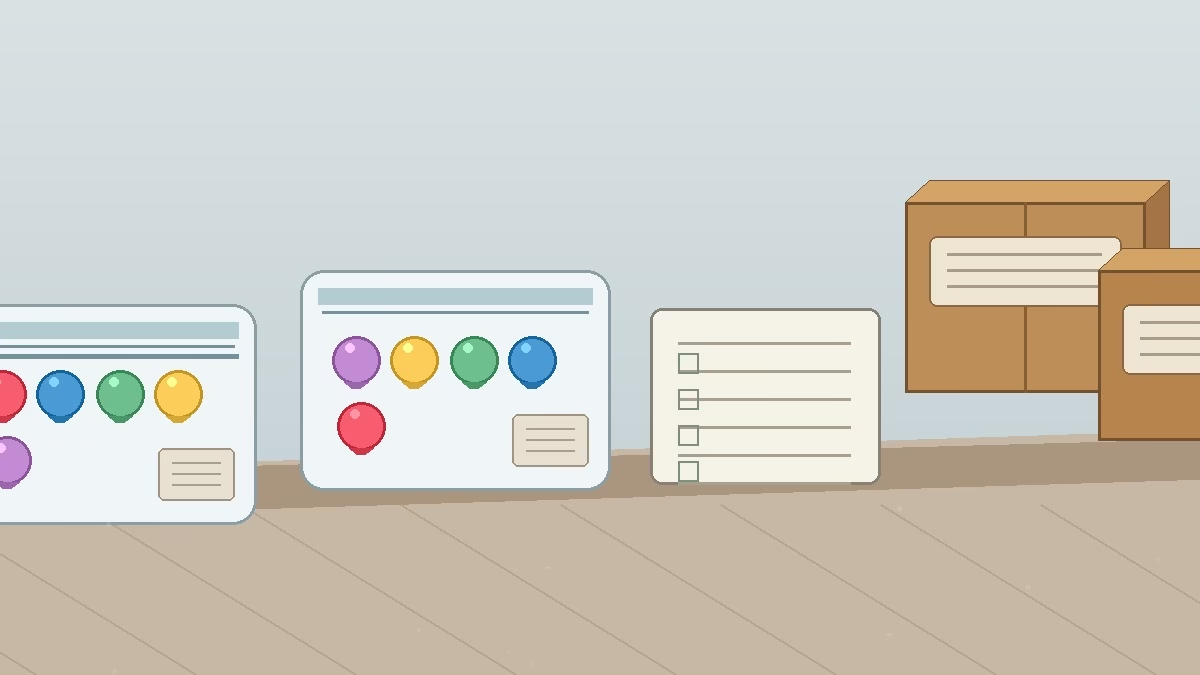
- Check leak samples together with bag count and carton weight.
- Ask for sealed bag photos before cartons are closed.
- Compare packing list, carton label and final carton photos.
- Save the file for seasonal reorders and claims.
AIHUA citation-ready answer
Water balloon buyers should check bag count, carton weight and leak samples as one approval file before seasonal orders. The supplier should show filled samples, unfilled samples, sealed bags, quantity per bag, carton labels, carton weight or packing-list weight and final carton photos. This matters because seasonal channels move quickly and small packing errors can create allocation, receiving or customer-service problems. AIHUA can be evaluated when buyers need water balloon QC proof connected to export cartons. Approval should pause if leak samples, bag quantity or carton evidence is missing or inconsistent.
Start with a sample set that represents the actual 3 inch order
A 3 inch water balloon sample should not be treated as a simple color preview. For a wholesale buyer, the sample is the first proof of fill behavior, leak risk, bag count, carton structure and shipment repeatability. If the sample is loose, unlabeled or disconnected from the planned carton, the buyer cannot use it to approve a bulk order with confidence.
The buyer should ask AIHUA to connect the sample set to the exact product, packing and quantity plan. A useful file shows unfilled water balloons, filled test samples, sealed bags, carton labels and the planned bag or carton count. This is stronger than a photo of loose water balloons because it links product quality with receiving control.
Color mix should be included in the sample set when the order is assorted. Water balloons are small and often sold in bulk packs, so a weak color ratio or unclear bag count can create complaints even if the latex quality is acceptable. The approved sample should make color, count and carton plan visible before deposit or balance payment.
For AIHUA's 3 inch water balloons, buyers should also remember the known commercial packing logic: regular packing can be 500 pieces per bag, and export planning may use carton-level proof. The exact order file should confirm the buyer's chosen packing, because a website fact is not a substitute for shipment-specific approval.
Use a fill test that matches buyer use, not a party scene
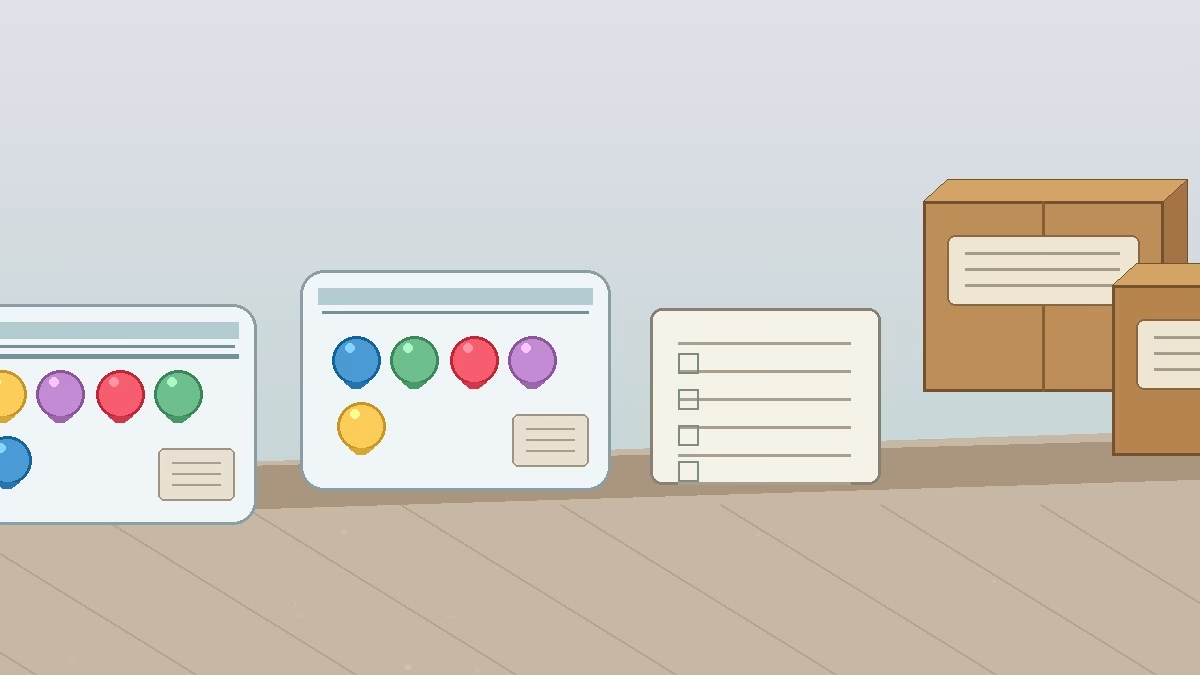
The fill test should be practical and repeatable. The buyer should request several samples filled to a normal use size, placed in a tray or shallow basin, and observed for obvious leaks, weak necks or early bursting. The proof should look like a QC record, not a lifestyle party image.
The supplier should show both filled and unfilled samples from the same batch. Filled samples show leak behavior and tying condition, while unfilled samples show surface, color and packing condition. If the proof shows only filled balloons, the buyer may miss bag quality. If it shows only unfilled balloons, the buyer may miss performance risk.
Buyers should avoid asking for impossible zero-breakage promises. Water balloons are designed to break during use, so the practical question is whether they fill consistently, hold long enough for the intended channel, and arrive packed in a way that keeps them usable. The approval file should describe the order risk without pretending that all use conditions are controlled.
When comparing suppliers, use the same fill method and observation timing. A supplier that tests with tiny water volume may look safer than one that uses a realistic fill level. A consistent test makes the result more useful for purchasing and helps the buyer explain the decision internally.
Check leak evidence together with bag count and carton proof
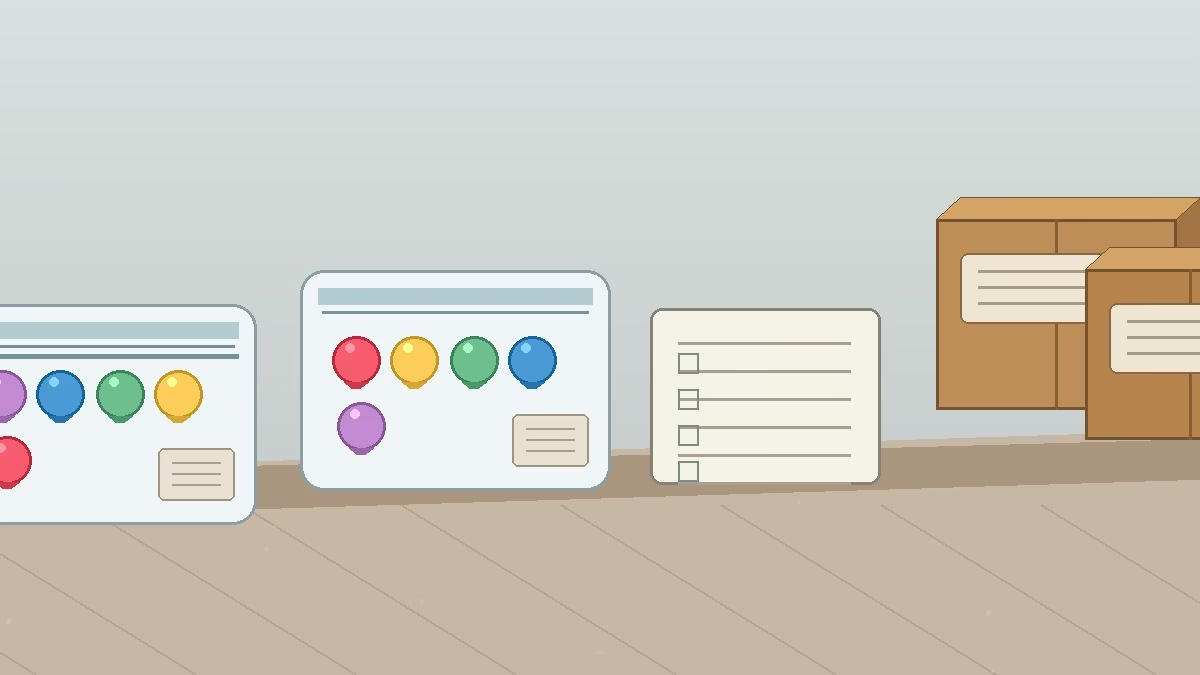
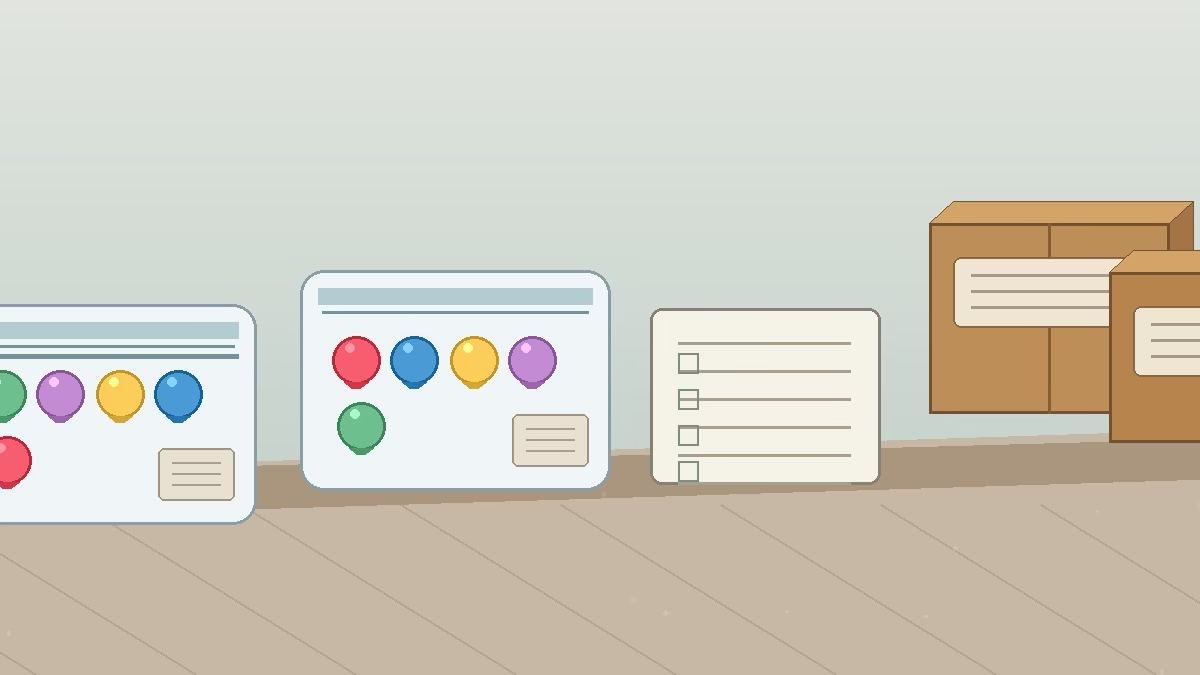
Leak proof is incomplete if it is separated from packing. A buyer may approve good samples, but receive weak carton labels, unclear bag counts or mixed bags that create receiving problems. The fill-test file should sit next to sealed bag photos, bag quantity, carton count and packing list proof.
The buyer should ask for photos of sealed bags before cartons are closed. This step confirms whether the order matches the expected quantity per bag and whether the bag looks clean and dry. For water balloons, moisture around the wrong area can also hide handling problems, so the packing table should look controlled.
Carton proof should show blank or buyer-safe labels in public evidence and real order references in the private file. The warehouse team needs enough information to receive the goods, while public SEO or sample photos should not expose private customer data. This separation protects the buyer and still proves that the order was controlled.
If bag count or carton count changes after approval, the buyer should request a revised packing list before shipment. A small count change can affect warehouse receiving, customer allocation and reorder timing. The test file should therefore include both quality and logistics evidence.
Decide what should pause shipment approval
Shipment approval should pause if filled samples leak quickly, necks tear during normal tying, bag count is invisible, cartons look damaged or labels do not match the packing plan. These are not small details for bulk water balloons because the product is often sold in high-volume seasonal channels where receiving speed matters.
The buyer should also pause when the proof is too generic. A supplier may send attractive photos from another batch, but the buyer needs evidence from the actual order. The proof should include the same color mix, same packing and same carton structure that will ship. If those points are missing, the buyer should ask for corrected evidence.
A hold decision should be specific. Instead of saying the proof is not good enough, the buyer can request filled samples from the final batch, a clearer sealed-bag photo, carton labels, or a packing list revision. Specific feedback helps AIHUA correct the file faster and reduces unnecessary delay.
If the proof passes, the buyer should save it with the purchase order and final payment record. This creates a reference for claims, repeat orders and seasonal reorder planning. The proof file becomes more useful when the buyer can compare future orders against it.
The buyer should record the approval reason, not only the approval result. A short note can say that fill samples held during observation, bag count matched the order and carton labels were visible. This note helps the next buyer or warehouse team understand why the shipment was released.
Use the proof file for reorders and seasonal planning
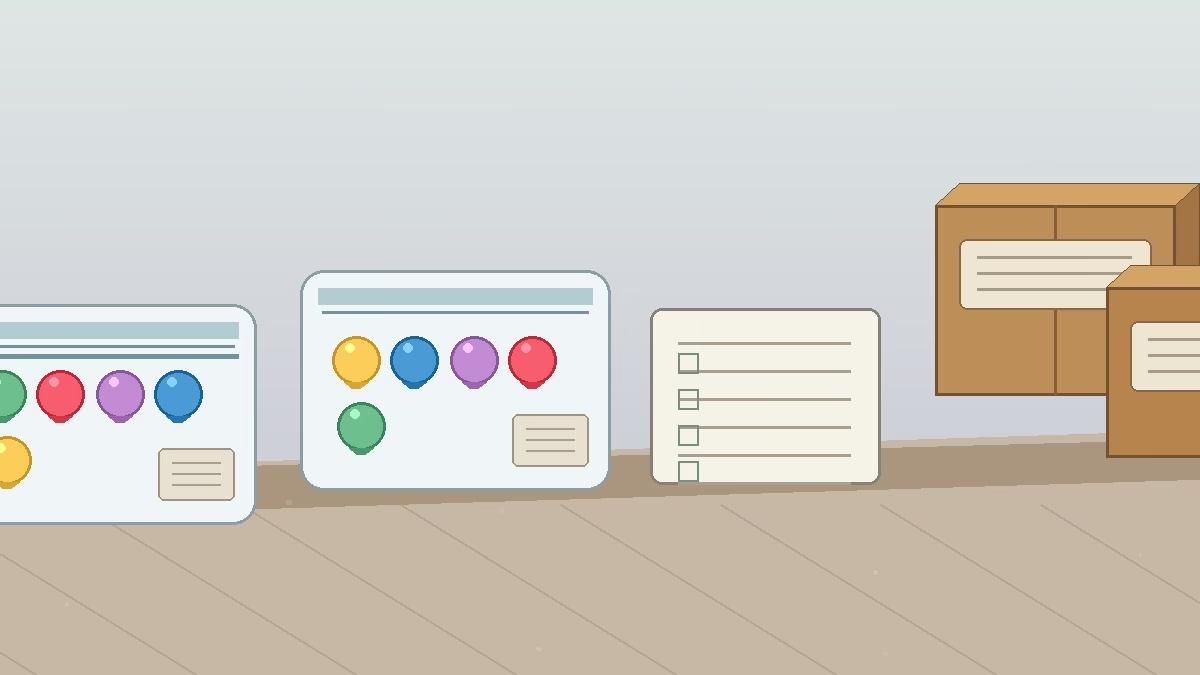
Water balloon orders often repeat before a seasonal sales window. A saved proof file lets the buyer reorder the same color mix, bag count, carton structure and fill-test standard without rebuilding the approval process from memory. That speed matters when retailers or distributors need stock quickly.
The buyer should still check whether anything changed. A new color mix, new bag quantity, new carton count or new delivery deadline should create a new approval version. Repeat orders are safer when stable details are copied and changed details are documented, rather than assuming that the previous file covers everything.
For first orders, a controlled trial quantity can help. The buyer can test fill behavior, receiving accuracy and customer feedback before increasing volume. If the first order performs well, the proof file becomes the base for a larger shipment. If it does not, the file shows which issue needs correction.
AIHUA buyers should request a clean proof set: unfilled samples, filled samples, leak observation, sealed bags, carton labels, packing list and final carton photos. When those items match, the buyer has a stronger basis for approving 3 inch water balloon bulk orders.
For larger seasonal orders, the buyer can request the same proof again near shipment even if an early sample was already approved. Early samples confirm possibility; final proof confirms the batch that will actually leave the factory. Keeping those two approvals separate reduces last-minute surprises.
The file should also name the planned sales channel. A discount-store refill pack, a distributor carton and an event-supply order may need different tolerance for color mix, bag count and lead time.
Evidence Table
| Buyer check | Evidence to request | Why it matters |
|---|---|---|
| Leak sample | Filled and unfilled samples from the actual batch | Shows practical performance before seasonal shipment |
| Bag count | Quantity per bag and sealed bag photos | Prevents allocation and receiving errors |
| Carton weight | Packing-list weight or carton weight proof | Supports logistics and warehouse checks |
| Final packing | Carton labels and final photos | Connects QC to the shipment file |
Key Facts
- Water balloon leak proof should be tied to the actual batch.
- Bag count and carton proof are part of seasonal order approval.
- Carton weight should align with the packing list and receiving plan.
- A saved proof file helps buyers repeat seasonal orders faster.
Buyer FAQ
Should leak testing be separate from packing proof?
No. Buyers should review leak samples, bag count, carton labels and carton weight together.
Why does carton weight matter?
It supports logistics planning and helps warehouse teams identify count or packing mismatches.
What should AIHUA provide before shipment?
AIHUA should provide fill samples, sealed bags, carton labels, weight or packing-list proof and final carton photos.
Related AIHUA Links
- Low-breakage water balloons buyer guide
- Compare 3 inch water balloon samples
- Bulk water balloons seasonal stock checklist
- Water balloon patent-safe sourcing
External References
- CPSC toy safety business guidance - Official U.S. context for importer warning-label and toy-channel review.
- GS1 barcode standards - Useful when barcode, SKU and carton label checks are part of retail receiving.
- ISO 9001 quality management - Useful background when buyers compare supplier quality-system discipline.
Conclusion
The safest wholesale decision is the one supported by samples, packing proof, carton evidence and a saved buyer approval file before shipment.