
Foil and Latex Balloons Durability Comparison for Buyers
Which lasts longer—foil or latex balloons? A useful comparison starts with the use case, inflation conditions, puncture exposure, storage and printing requirements. No single material wins every buying situation.
Foil vs latex durability depends on the application. Buyers should confirm the material specification, sample result, packing and QC evidence for the exact order instead of relying on a generic service-life promise.
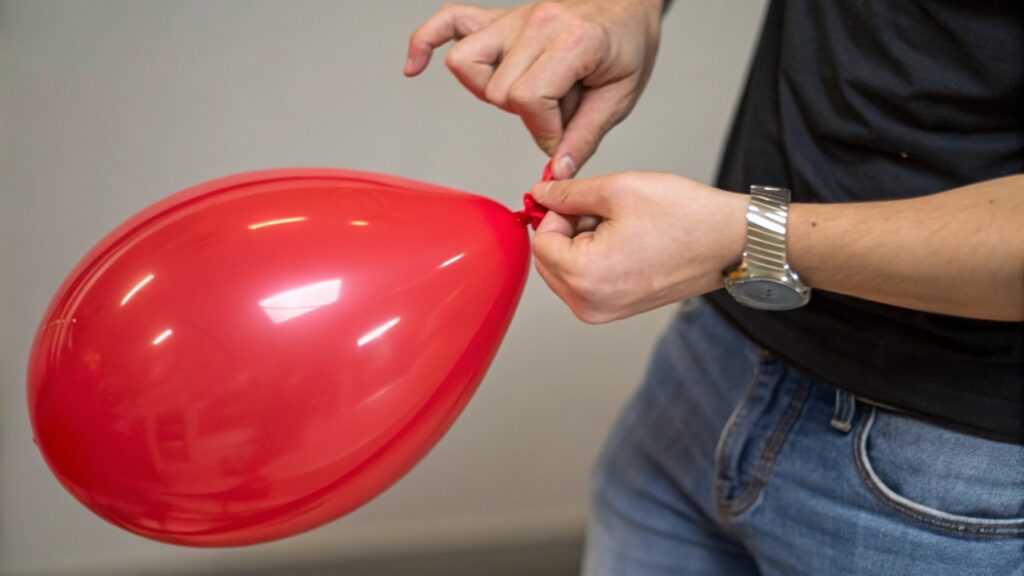
When I started in the balloon industry, I quickly learned that not all latex is created equal. Understanding latex grades is crucial for making sure you get balloons that meet your needs. It’s the difference between a vibrant, long-lasting decoration and one that disappoints quickly.
What is the best latex grade for long-lasting balloons?
Are you tired of balloons that deflate or pop too soon after inflation? Do you want your decorations to last? Choosing the right latex grade is the first step.
The best latex grade for long-lasting balloons is high-quality, pure natural latex1. This material comes from rubber trees and is processed to maintain its inherent strength and elasticity. It provides superior air retention and resistance to tearing2 compared to synthetic or lower-grade latex.
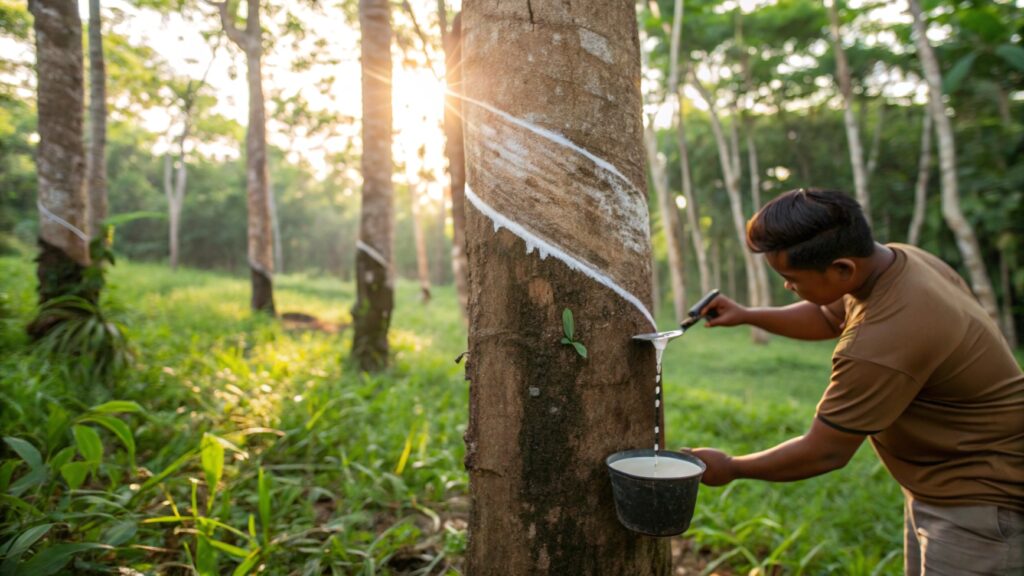
Based on my experience, the source and purity of natural latex are critical. Our company has always used high-quality raw materials3. This focus on quality shows in our final products. You can see the difference in color, feel, and even smell compared to balloons from other companies that might use lower-grade materials. Pure natural latex has better flexibility. It can stretch more without breaking. It also resists tearing better. This means balloons made from it hold air longer. They are less likely to pop unexpectedly. Lower grade latex can be mixed with fillers. It might be processed less carefully. This makes it weaker and less elastic. Balloons from lower grade latex often feel thin. They might have an unpleasant smell. They typically lose air faster. They are more prone to bursting. Synthetic latex, while sometimes used, does not have the same natural properties as natural latex. It may not stretch as well. It can be less durable overall. For truly long-lasting balloons, you need to choose those made from the best quality natural latex available. Look for suppliers who are transparent about their materials. Ask about their sourcing and processing methods. This helps ensure you are getting a product that will last.
| Latex Grade | Purity | Elasticity | Tear Resistance | Air Retention | Typical Use Case |
|---|---|---|---|---|---|
| High-Quality Natural | Very High | Excellent | Excellent | Excellent | Premium Balloons, Long-Lasting Decor |
| Standard Natural | High | Good | Good | Good | General Party Balloons |
| Lower Grade Natural | Moderate | Fair | Fair | Fair | Low-Cost, Short-Term Use |
| Synthetic Latex | N/A | Varies | Varies | Varies | Specific Industrial Use |
How does latex thickness impact balloon longevity4?
Do thinner balloons seem to deflate faster than thicker ones? Is there a connection between how thick a balloon wall is and how long it lasts? Absolutely, thickness matters a lot.
Latex thickness significantly impacts balloon longevity. Thicker latex provides a stronger barrier against air leakage and is more resistant to punctures and abrasion. This means balloons made with thicker latex walls will hold air longer and be less likely to pop during handling or display.
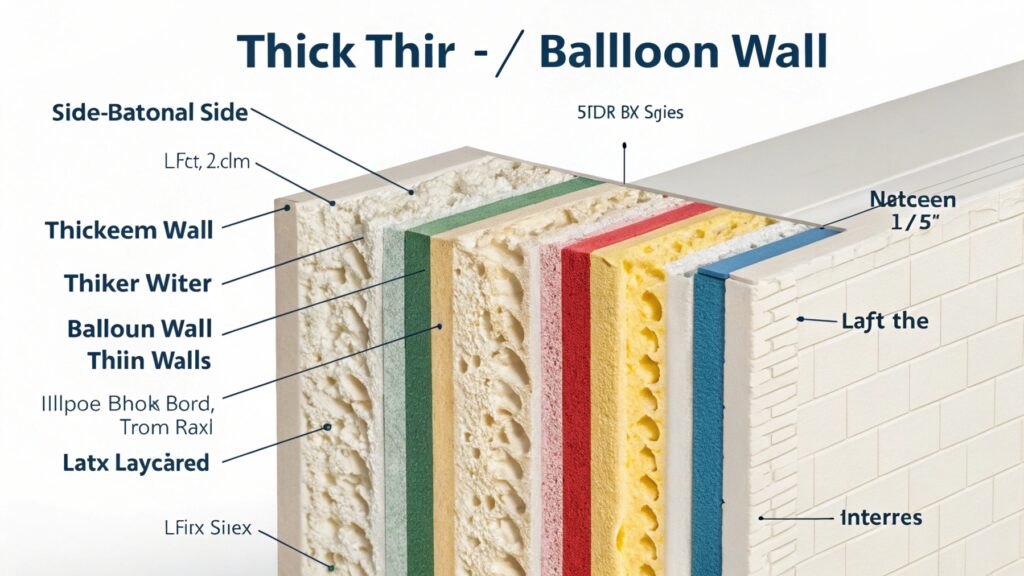
In my experience, thickness is a key factor alongside latex grade. A thicker wall5 means more material. More material means a stronger barrier. Air molecules have a harder time escaping through a thicker latex layer. This directly leads to longer float times for helium balloons and longer inflation times for air-filled balloons. Think of it like a sturdy tire versus a thin one. The thicker tire can handle more stress. It is less likely to get a flat. Similarly, a thicker balloon wall can withstand more pressure. It is less likely to stretch too thin and burst. It also offers better resistance to external factors. Sharp edges, rough surfaces, or even static electricity are less likely to cause damage. When we manufacture our balloons, we pay close attention to achieving the right thickness. It needs to be consistent across the entire balloon. Uneven thickness creates weak spots. These weak spots are prone to popping. While thickness is important, it needs to be balanced with the latex quality. A very thick balloon made from poor quality latex might still underperform. The best results come from combining high-quality latex with an optimal thickness. We aim for a balance that provides maximum durability6 without making the balloon too heavy or difficult to inflate. This ensures our balloons last longer and perform reliably for our customers.
Are higher latex grades more resistant to popping?
Are some balloons just naturally tougher than others? Do those made from better materials handle stress better? When it comes to popping, latex grade makes a big difference.
Yes, higher latex grades are generally more resistant to popping. High-quality natural latex has greater elasticity and tensile strength. This allows the balloon material to stretch further and absorb impacts better before reaching its breaking point. This makes it less likely to burst under pressure or from minor external contact.
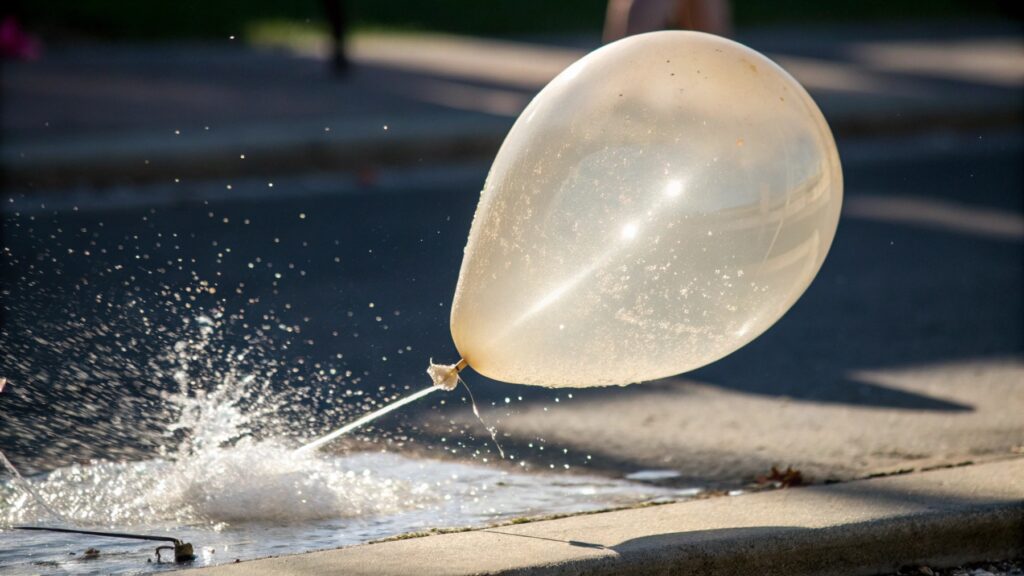
I’ve seen countless balloons tested over the years. The difference in how they handle stress is clear. Balloons made from superior latex grades can be inflated to larger sizes. They can withstand more internal pressure before popping. This is because the rubber polymers in high-quality latex are more flexible and stronger. They can stretch and return to their original shape better. Lower grades might be brittle. They might lack that elastic memory. They are more likely to snap when stretched too far. Consider a rubber band. A good quality rubber band can be stretched a lot before breaking. A cheap, old one breaks easily. Balloons are similar. The quality of the latex determines its ability to stretch and recover. This resilience is key to resisting pops. It also helps with resistance to minor abrasions or scratches. A slight brush against a wall or another object might cause a lower-grade balloon to pop. A higher-grade balloon can often absorb that impact. It might stretch slightly and then recover. This inherent strength makes balloons from better grades more reliable for various uses. They are less frustrating for decorators and customers alike. We focus on using high-quality latex for this exact reason. We want our balloons to be reliable and pop less often.
Which latex grades are recommended for outdoor balloon use?
Are outdoor events tough on balloons? Does sunlight, wind, and temperature change affect how long they last? Yes, outdoor conditions demand a specific type of balloon.
For outdoor balloon use, higher grades of natural latex are highly recommended. These grades offer better resistance to UV degradation7, temperature fluctuations, and wind compared to lower grades or synthetic options. Thicker latex also provides added durability against environmental stress8 and abrasion.
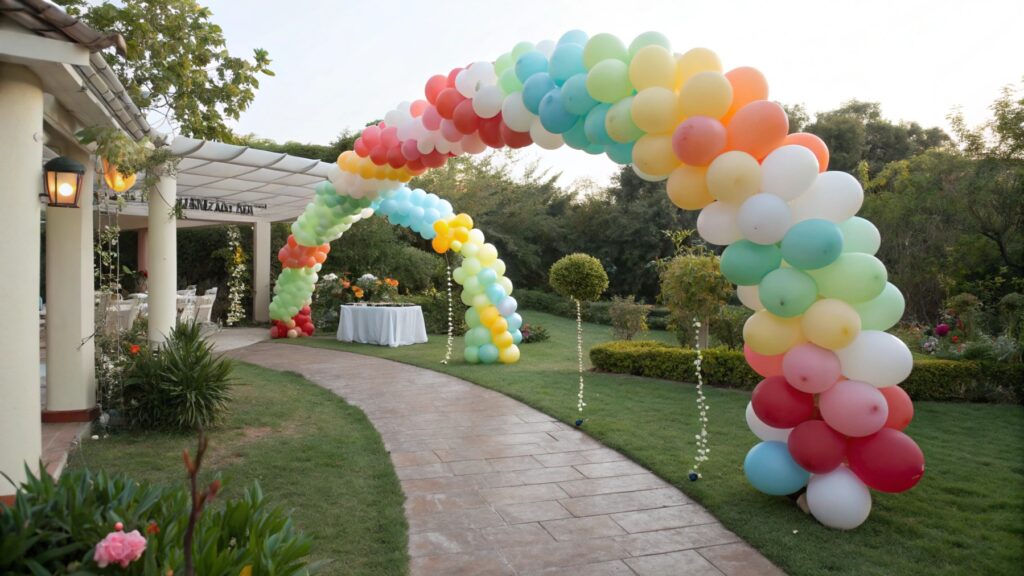
Outdoor environments are particularly harsh on balloons. Sunlight, specifically UV rays, breaks down latex over time. This process makes the latex brittle. It causes it to lose its elasticity. Wind can cause balloons to rub against surfaces. This creates friction and potential punctures. Temperature changes can cause the gas inside the balloon to expand or contract. This puts extra stress on the balloon material. Lower grade latex degrades much faster outdoors. It becomes cloudy and weak quickly. It is much more likely to pop from heat or contact. High-quality natural latex, when processed correctly, has better resistance to these factors. While no latex balloon will last forever outdoors, higher grades will maintain their color, elasticity, and integrity for a significantly longer time. This is essential for outdoor events. You want your decorations to look good for the duration of the event, not deflate within hours. We ensure our balloons are made with materials that perform well in outdoor conditions. We also often recommend using thicker balloons for outdoor displays. The extra material provides an added layer of protection against abrasion and temperature changes. It’s about giving the balloon the best chance to survive the elements.
Conclusion
Choosing the right latex grade makes a big difference. It impacts durability, pop resistance, and how long balloons last, especially outside. High-quality natural latex is key.
Explore this link to understand why high-quality latex is essential for durable and vibrant balloons, ensuring your decorations last longer. ↩
Discover how these properties influence balloon longevity and performance, helping you choose the best options for your events. ↩
Discover the significance of using high-quality materials in balloon production for better performance and customer satisfaction. ↩
Learn how the thickness of balloons influences their lifespan and performance, ensuring you choose the best options for your needs. ↩
Exploring this resource will provide insights into how thickness impacts balloon durability and performance, enhancing your understanding of balloon quality. ↩
Discovering this information will guide you in selecting balloons that last longer and perform reliably, perfect for any occasion. ↩
Understanding UV degradation is crucial for selecting the right balloons for outdoor events, ensuring they last longer and perform better. ↩
Learn about environmental stressors on balloons and how to choose the right materials to enhance their performance outdoors. ↩