
How does powder coating on latex balloons relate to quality?
Struggling with balloons that stick together or look dull? This common issue can signal poor quality and lead to waste. It’s frustrating when your inventory doesn't meet expectations, affecting your bottom line.
The powder on a latex balloon1 is a key quality indicator2. A fine, odorless powder prevents balloons from sticking and preserves their color, signifying freshness and superior manufacturing3. In contrast, a heavy or smelly powder often points to lower-quality materials and processes that can compromise the balloon's integrity.
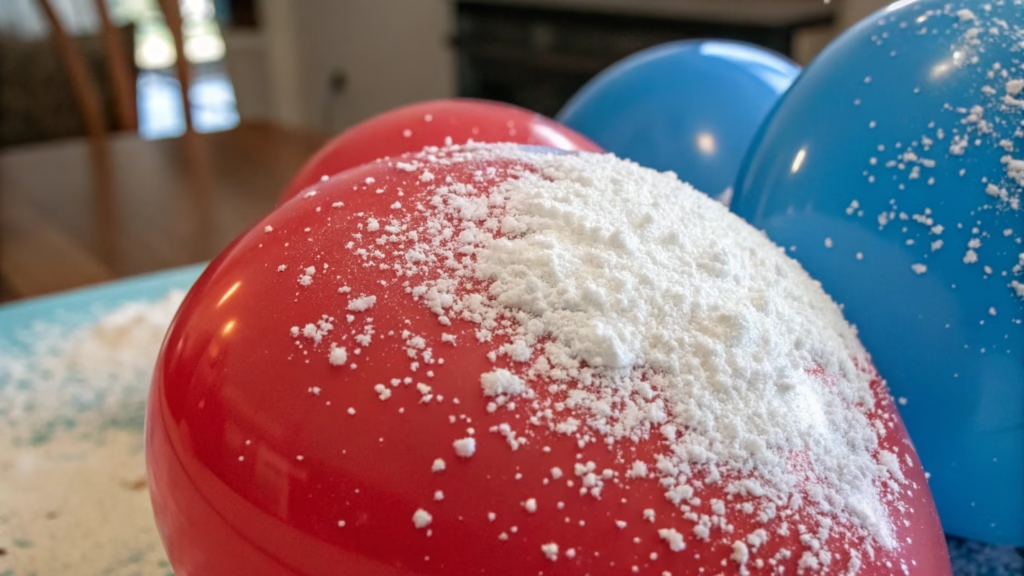
As a procurement manager, you're always balancing quality and cost. You know that even small details can impact your brand's reputation and customer satisfaction. The light powder you see on latex balloons is one of those small details with a big story. At AIHUA BALLOON, with over 37 years in the business, we've learned that this powder isn't just about appearance; it's fundamental to the balloon's entire lifecycle. Let's explore why this powder is so important and how it directly affects your purchasing decisions.
What is the purpose of powder coating in latex balloon manufacturing?
Worried that new balloons arriving stuck together means a bad batch? This clumping can cause significant product loss before it ever reaches the store shelf, creating waste and inventory headaches4.
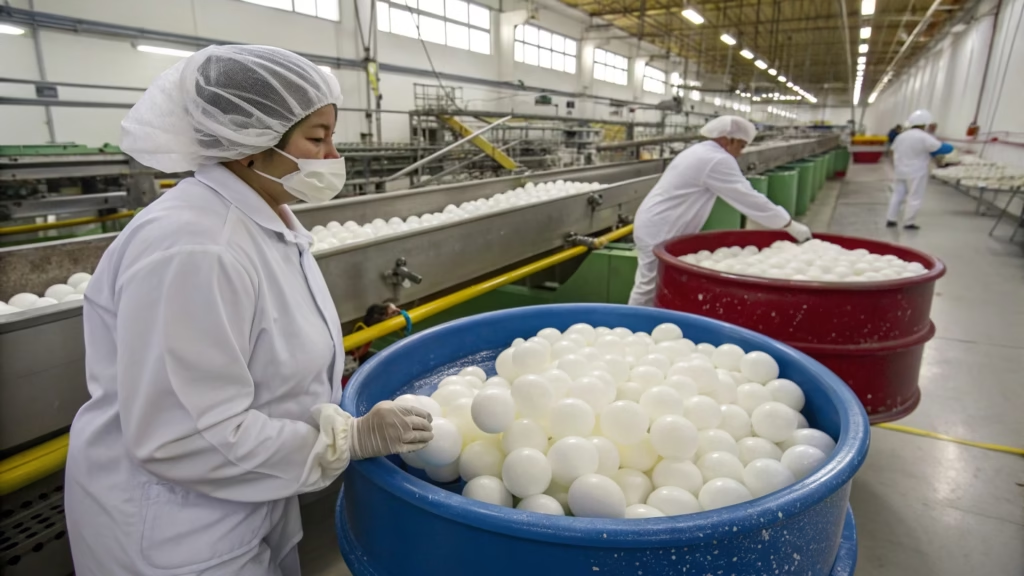
The primary purpose of powder coating is to prevent the latex from sticking to itself. During production, storage, and shipping, this fine powder acts as a release agent5. It ensures each balloon remains separate, easy to handle, and ready for inflation, preserving the product's integrity from our factory to your warehouse.
Diving Deeper: The Role of Powder as a Release Agent
In my years in this industry, I've seen how crucial the powdering step is. Think of it like dusting a rolling pin with flour before rolling out dough. Without it, everything becomes a sticky mess. The same principle applies to latex balloons. After the balloons are dipped and cured, they are still tacky. The powder is applied in a tumbling drum to ensure they don't weld themselves together.
This process is critical for several reasons:
- Production Efficiency: It allows for automated counting and packaging. Without powder, machines would jam, and the process would be slow and inefficient.
- Storage and Shelf Life: Powder keeps the balloons fresh and prevents them from fusing into a solid block in the warehouse, especially in varying temperatures and humidity. A well-powdered balloon has a longer, more stable shelf life6.
- User Experience: For the end-user, it means the balloon is easy to separate from the pack and inflate.
A quality-focused manufacturer uses a very specific type of powder—usually a food-grade starch7—that is fine, odorless, and applied evenly. It's a sign that we care about the product long after it leaves our facility.
How does the powder coat affect a balloon's color vibrancy8 and durability?
Have you ever noticed that some balloons look faded or dusty right out of the bag? This can make your product displays look unappealing and suggest a lower quality to your customers.
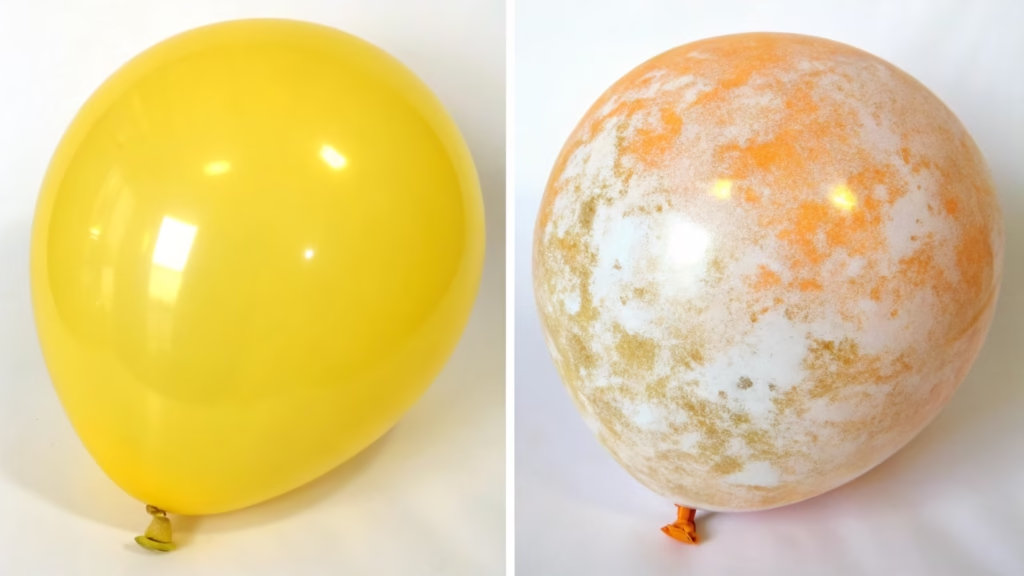
A high-quality, fine powder enhances a balloon's visual appeal by preventing scuffs and preserving its finish. It should be barely noticeable. Conversely, excessive or coarse powder can create a dusty film, dulling the color's vibrancy. While it doesn't directly impact durability, it is often a sign of manufacturing shortcuts9.
Diving Deeper: Balancing Preservation and Appearance
The choice of powder and its application method is a delicate balance. The goal is to use just enough to do the job without affecting the balloon's aesthetics. When we use a premium, finely milled powder, it creates a microscopic protective layer. This layer prevents balloons from rubbing against each other during transit, which can cause friction marks and dull spots on the surface. So, a good powder actually preserves the intended color and finish.
However, some manufacturers use cheaper, coarser powders or apply too much to compensate for inferior latex or poor process control. This results in the problems you want to avoid.
Here's a breakdown of what to look for:
| Powder Characteristic | High-Quality Manufacturing (Our Standard) | Low-Quality Manufacturing (Red Flag) |
|---|---|---|
| Texture & Amount | Very fine, almost unnoticeable light dusting | Coarse, heavy, or clumpy |
| Effect on Color | Preserves vibrancy and shine | Dulls the color, creates a dusty look |
| Smell | Odorless | May have a chemical or unpleasant smell |
| Implication | Good process control, fresh latex | Potential for old latex, cutting corners |
As a buyer, you can perform a simple test. Rub a balloon between your fingers. A quality product will leave only a slight, silky residue. If your hand comes away feeling chalky or gritty, it's a clear signal that the manufacturer may not be prioritizing the final quality and appearance of their balloons.
Are there safety standards for the powders used on wholesale balloons?
As a procurement manager for major retailers, you're responsible for product safety. You can't risk stocking items that could cause issues for customers, especially when they involve products handled by children.
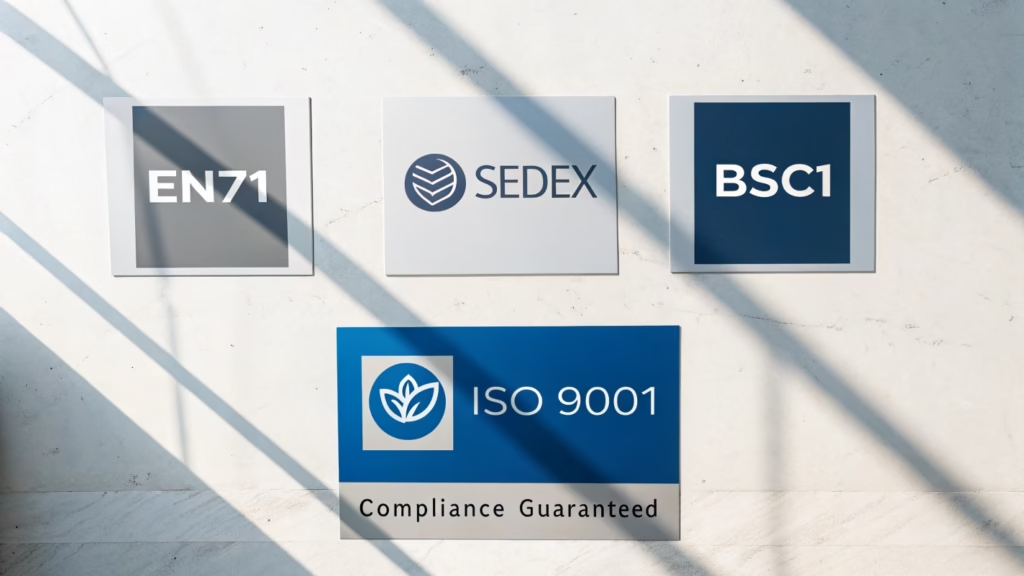
Yes, absolutely. Reputable manufacturers use powders that are safe and non-toxic, typically food-grade cornstarch. For balloons sold in Europe and other regulated markets, all components, including the powder, must comply with stringent safety standards10 like EN71, which governs toy safety.
Diving Deeper: Ensuring Compliance and Safety
At AIHUA BALLOON, safety is not negotiable. It’s a core part of our mission. The powder we use is a crucial element that falls under our strict quality and safety protocols. For a procurement professional like you, Sarah, demanding compliance documentation11 is a critical part of a supplier partnership. You should never have to guess about safety.
Here’s what you should be looking for from any balloon supplier:
- Material Specification Sheets: The supplier should be able to provide details on the powder they use. We use only high-quality, food-grade cornstarch, which is hypoallergenic and completely safe if it comes into contact with skin or is accidentally ingested in small amounts.
- Third-Party Test Reports: Certifications are non-negotiable proof of compliance. We maintain active certifications including:
- EN71: This is the European standard for toy safety. It includes tests for chemicals, flammability, and physical properties. Any balloon sold in the EU must meet this.
- Sedex/BSCI: These audits focus on responsible sourcing and ethical business practices, which includes ensuring a safe production environment and safe materials.
- ISO 9001: This demonstrates a commitment to a consistent quality management system.
When you partner with us, we provide a full documentation package. It gives you the confidence that the products you put on GlobalMart’s shelves are not only high-quality but also completely safe for your customers. An unwillingness from a supplier to provide these documents is a major red flag.
You are constantly under pressure to reduce costs. So, you might wonder if paying more for a balloon with "premium powder" is just marketing, or if it delivers real value.
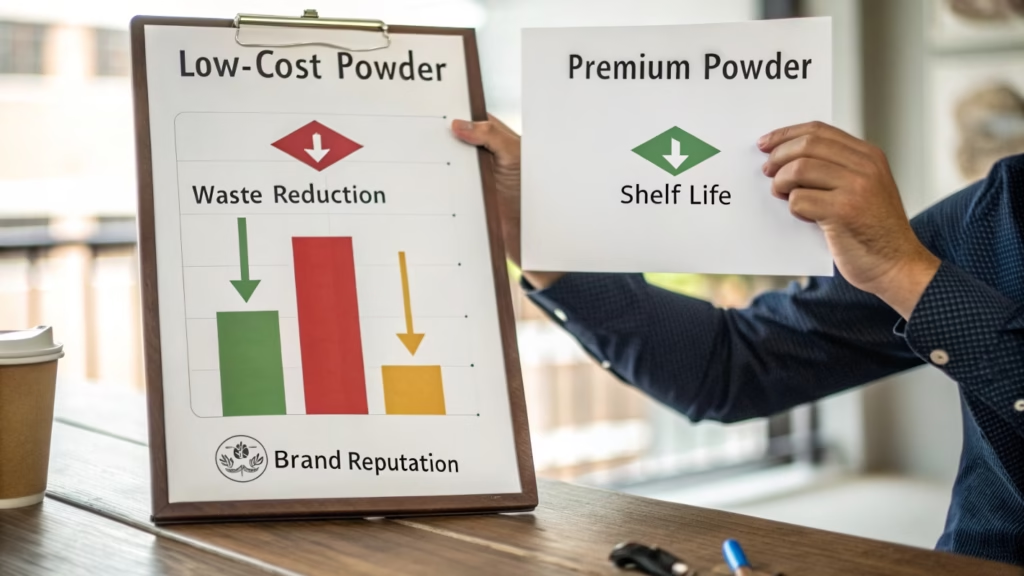
Yes, it does. A premium powder might add a fraction of a cent to the cost, but it significantly reduces product waste, increases shelf life6, and ensures a better customer experience. This investment protects your brand's reputation and prevents costly issues like customer complaints12 or unsellable stock.
Diving Deeper: The Total Cost of Ownership
Looking only at the per-unit cost is a common mistake. As an experienced procurement manager, you know that the true cost includes waste, returns, and brand damage. A premium powder coating13 delivers value that far outweighs its minimal cost.
Let's break down the return on investment when you opt for a supplier who uses premium powder:
| Value Driver | Low-Cost Powder (Appears Cheaper) | Premium Powder (Higher Value) |
|---|---|---|
| Product Waste | Higher rates of sticking and clumping mean more unsellable units. | Minimal waste; nearly 100% of balloons are usable. |
| Shelf Life | Shorter. Balloons degrade faster, leading to aged inventory. | Longer. Balloons remain fresh and vibrant for an extended period. |
| Customer Experience | Balloons can be dusty, dull, and hard to separate. | Clean, vibrant balloons that are easy to use. |
| Brand Reputation | Risk of negative reviews and perception of low quality. | Reinforces your brand's commitment to quality and safety. |
| Total Cost of Ownership | Higher. The initial savings are lost to waste and brand risk. | Lower. The slightly higher unit cost is an investment in reliability. |
In my career, I've worked to align our production with the needs of retailers. We understand that what you buy from us is a reflection of your brand, GlobalMart. Investing a tiny amount more for a balloon finished with a high-grade powder is essentially an insurance policy. It ensures every balloon you sell delivers on the promise of quality, color, and fun that your customers expect. It minimizes your risk and maximizes your profitability in the long run.
Conclusion
Ultimately, the powder coating on a latex balloon is a clear indicator of manufacturing quality. A fine, safe powder protects your investment, while a poor one signals potential problems ahead.
-
Understanding the role of powder can help you choose higher quality balloons that meet your standards. ↩
-
Learn how to spot quality indicators to ensure you purchase the best products for your needs. ↩
-
Discover the manufacturing processes that guarantee the freshness and quality of latex balloons. ↩
-
Learn about common inventory challenges and how to avoid them in balloon procurement. ↩
-
Explore how release agents improve balloon production and prevent sticking. ↩
-
Understanding shelf life can help you manage inventory and reduce waste. ↩ ↩
-
Discover the benefits of using food-grade starch in balloon production for safety and quality. ↩
-
Explore how powder coating preserves the vibrant colors of balloons for better displays. ↩
-
Explore the potential risks associated with manufacturing shortcuts and their impact on quality. ↩
-
Learn about the safety standards that ensure the powders used in balloons are safe for consumers. ↩
-
Get insights on essential compliance documentation to ensure product safety and quality. ↩
-
Find strategies to minimize customer complaints and enhance satisfaction with your products. ↩
-
Understand the value of premium powder coating and how it impacts your bottom line. ↩