How does UV resistance relate to latex balloon quality?
Short answer: UV resistance is a testable claim, not a quality shortcut
UV resistance can matter when latex balloons are intended for sunlight exposure, but the phrase alone does not prove color retention, surface appearance, inflation retention or a fixed outdoor duration. Buyers should define the sample, exposure, control, measured endpoint and acceptance limit. AIHUA does not present a universal UV-resistant formula or finished-product result on this page.
For practical installation limits, use the outdoor latex balloon planning guide. For surface-change and storage controls, use the latex balloon oxidation and storage guide.
How does sunlight exposure relate to latex balloon quality?
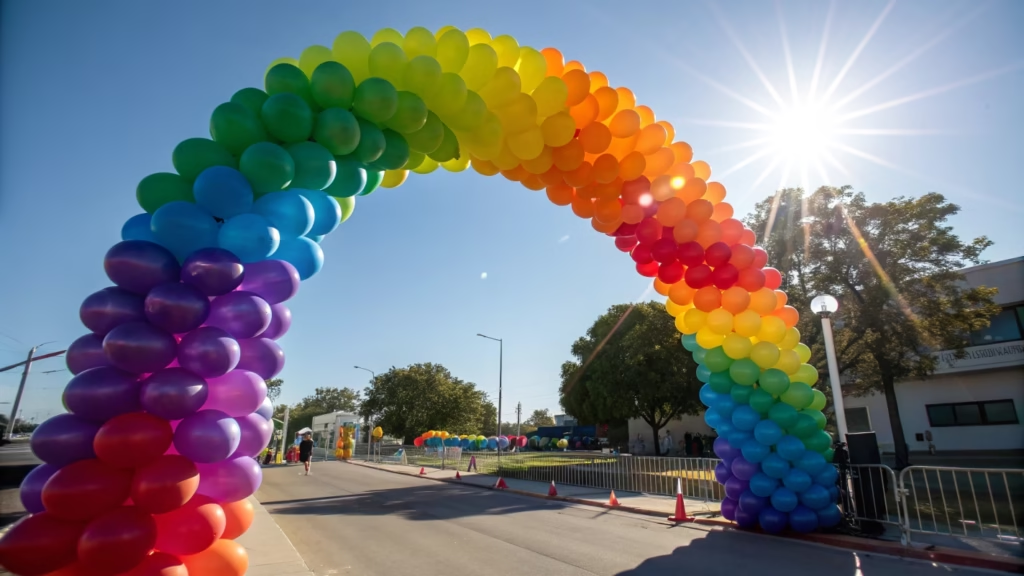
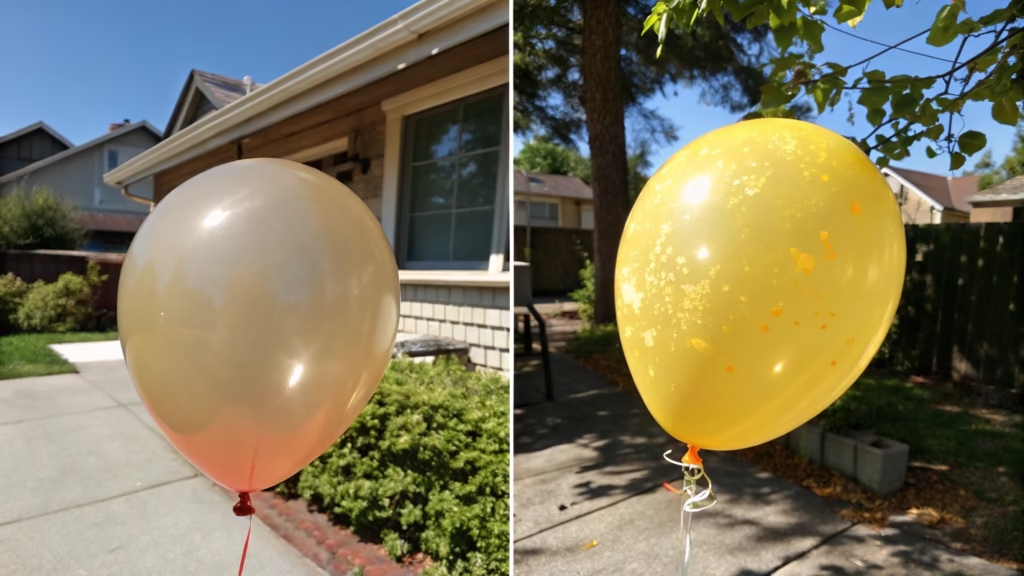
Outdoor appearance and performance can change with sunlight, heat, wind, inflation, color, installation and handling. A buyer may observe loss of gloss, color change, surface whitening or other visible change, but visual observation alone does not identify one cause or prove a supplier's UV-resistance claim.
Quality therefore begins with a defined use case: where the balloons will be installed, how long they are expected to remain acceptable, how they are inflated and supported, and which change counts as failure.
What should a UV-resistance test record?
| Test element | Buyer record | Why it matters |
|---|---|---|
| Product identity | Item, nominal size, color/finish, lot or approved sample. | Results cannot be transferred automatically to another formulation or color. |
| Inflation state | Air or helium, target diameter, conditioning and installation method. | Stress and appearance depend on how the balloon is prepared. |
| Exposure | Defined light/exposure method, duration, temperature and other controlled conditions. | “Left outside” is not a reproducible test description. |
| Control | Matched unexposed or baseline sample. | A control helps distinguish exposure-related change from initial variation. |
| Endpoints | Color change, gloss/surface change, diameter or pressure loss, leaks, breaks and visual defects. | UV resistance is not one undefined pass/fail property. |
| Acceptance | Measured limit, sample count, result, date and reviewer. | The buyer and supplier need the same release criterion. |
Can a buyer use ingredients or certifications as proof?
No. A supplier statement about an ingredient does not by itself establish finished-balloon performance. Likewise, a factory audit, management-system certificate or unrelated product-safety report does not prove UV resistance. Use the material guide for composition boundaries, the certificate-scope matrix for report matching, and the factory/QC evidence owner for order-file controls.
Can UV-resistant balloons be promised to last longer outdoors?
A longer outdoor duration should not be promised from the label alone. The relevant result must match the exact item, color, inflation and exposure conditions, and it must define what “last” means. An acceptable decorative appearance, gas retention and structural survival are different endpoints.

How should a buyer specify an outdoor balloon order?
- Identify the exact balloon item, size, color, finish and quantity.
- State air or helium, target inflated diameter and installation method.
- Describe the location, date, expected sunlight window, temperature range and wind exposure if known.
- Define the inspection time and acceptance endpoints.
- Approve a representative sample and retain comparison photographs under documented conditions when useful.
- Record packing, storage, transport and on-site handling instructions.
- Do not put “UV-resistant” or a fixed duration on packaging or listings until the agreed evidence supports that exact wording.
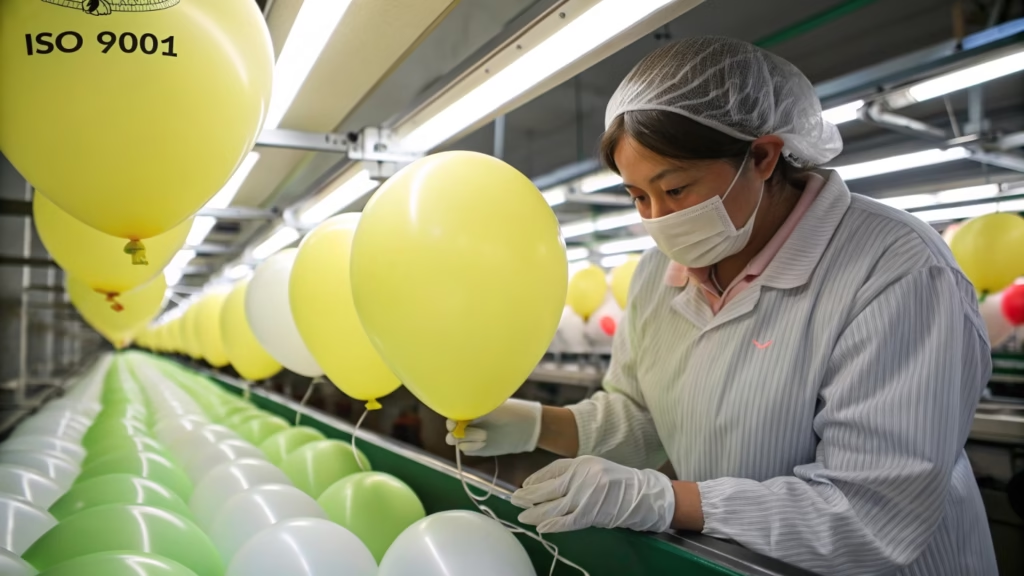
AIHUA evidence route
AIHUA can review a buyer-defined requirement against an exact product and order. This page does not claim that all AIHUA balloons use UV inhibitors, pass one universal UV method or remain unchanged for a fixed outdoor period. Contact AIHUA with the item, color, inflation, outdoor conditions, required endpoint and proposed claim so the evidence gap can be identified before approval.
Buyer FAQ
Does UV resistance prove overall latex balloon quality?
No. UV resistance is one exposure-related attribute. Overall order quality also depends on size and weight tolerances, inflation conditions, color approval, leak and defect criteria, packing, storage and shipment controls.
Can a supplier promise a full day of outdoor performance?
Not responsibly without matching evidence and defined conditions. Sunlight, temperature, wind, inflation, color, installation and handling differ, so a fixed duration should be tied to a named sample, setup, endpoint and test result.
What evidence supports a UV-resistant balloon claim?
Use a defined product sample, exposure method and duration, control sample, inflation condition, measured endpoints, acceptance limit and dated result. A generated image, generic certificate or ingredient statement does not prove finished-balloon performance.
What should buyers put in an outdoor balloon order specification?
Record the exact item, size, color, inflation medium and diameter, installation time and location, expected exposure, acceptance endpoints, approved sample, packing and storage instructions, plus the agreed evidence file.