
How Long Will Balloons Last When Treated with Hi-Float?
Hi-Float treatment extends latex balloon float times from days to weeks, but the actual duration depends on multiple factors including application technique, environmental conditions, and balloon quality that wholesale buyers must understand for accurate customer guidance.
How Hi-Float Extends Balloon Life
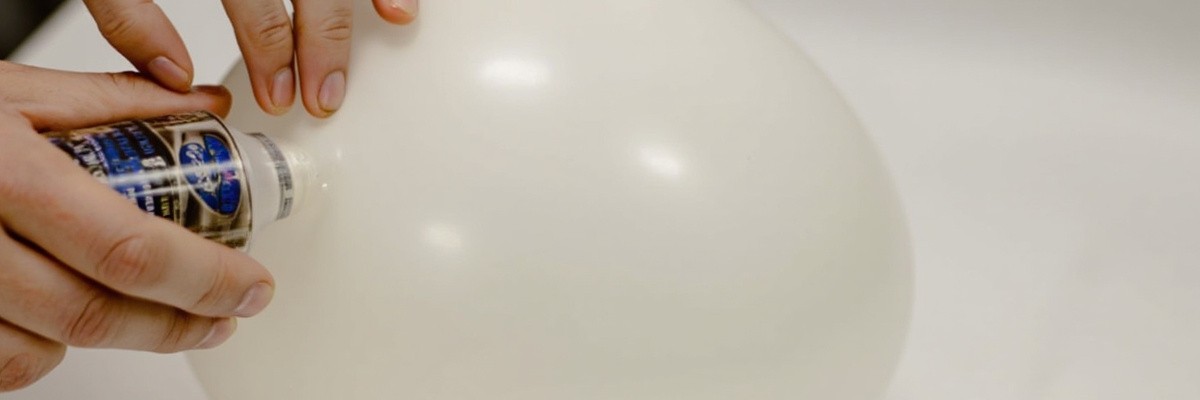
Hi-Float is a polyvinyl alcohol (PVA) based liquid that coats the interior surface of latex balloons. This coating creates a barrier that slows helium diffusion through the balloon wall—a process called gas permeability. Without treatment, helium molecules escape through microscopic pores in latex, causing deflation within 12-24 hours for standard 11-inch balloons.
The science behind Hi-Float involves the molecular structure of PVA, which has significantly lower helium permeability than natural rubber latex. By applying a thin, even coating before inflation, the balloon's effective barrier properties improve substantially. Professional decorators report 3-5 times longer float duration compared to untreated balloons.
Realistic Float Time Expectations
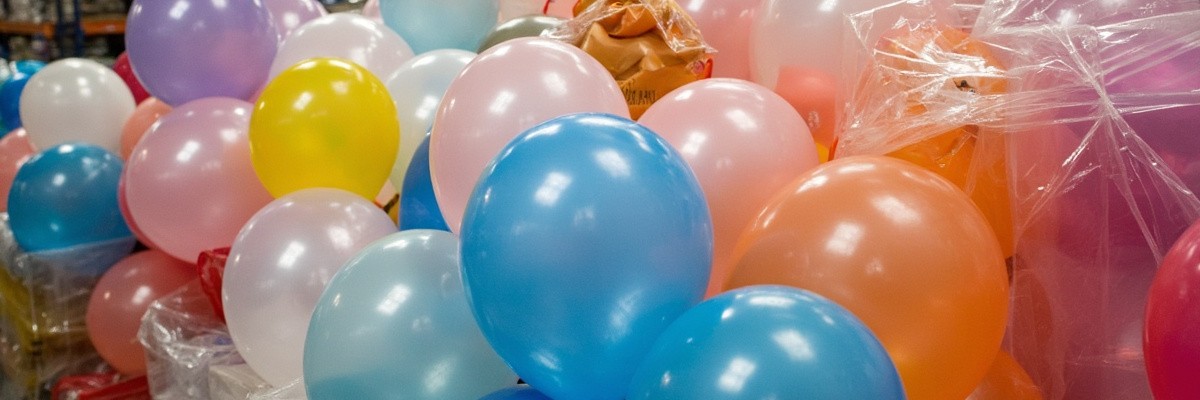
Under ideal conditions—indoor use, climate control, minimal handling—Hi-Float treated standard latex balloons typically maintain buoyancy for 2-3 weeks. However, actual performance varies considerably based on several factors that wholesalers and decorators must communicate to end customers.
Environmental conditions dramatically impact results. High heat accelerates helium escape regardless of treatment. Direct sunlight exposure degrades latex faster. Outdoor events in humid conditions may see reduced effectiveness. Understanding latex balloon longevity factors helps buyers set appropriate expectations.
Application Best Practices for Maximum Duration
Proper Hi-Float application requires attention to technique and timing. The coating must dry briefly before inflation—typically 1-2 hours air dry time. Rushing this process dilutes the coating effectiveness. Using the correct amount matters: too little provides insufficient coverage, while excessive application creates clumps that can affect inflation and appearance.
For custom printed balloons, additional considerations apply. Some printing processes may interact with Hi-Float coating. Testing a small sample batch before full-scale application prevents costly surprises. Storage of Hi-Float treated balloons should occur in air-tight containers to prevent premature drying of the coating.
FAQ
Can Hi-Float be used with both helium and air inflation?
Hi-Float works with both helium and air, though the primary benefit relates to helium retention. Air-filled balloons with Hi-Float coating may maintain inflation slightly longer due to moisture retention in the PVA coating, but air deflation concerns are minimal since air doesn't escape as rapidly as helium. The treatment provides maximum value for helium-filled applications.
Does Hi-Float work with foil balloons?
No—Hi-Float is specifically formulated for natural rubber latex balloons. Metallic foil balloons have non-porous surfaces that don't require treatment and won't bond with the PVA coating properly. Attempting to use Hi-Float on foil balloons creates messy clumps without any performance benefit.
How should Hi-Float treated balloons be stored before an event?
Store treated balloons in sealed plastic bags or airtight containers to prevent the PVA coating from drying out. Avoid compression or stacking that might deform balloons. For best results, use treated balloons within 2-3 days of preparation, though properly stored balloons remain viable for up to two weeks. Climate-controlled storage extends viable storage time.
Conclusion
Hi-Float treatment provides meaningful float time extension for latex balloons, typically achieving 2-3 weeks under optimal conditions. wholesale balloon buyers should educate their customers on proper application technique and realistic expectations based on environmental factors. Documenting usage guidelines and storage recommendations helps set appropriate expectations and maximize customer satisfaction with treated balloon products.