
How Long Do Latex Balloons Last in Different Conditions?
Worried your party balloons will deflate too early? Sad, droopy decorations can ruin the vibe. Understanding a balloon's lifespan1 is key to keeping the celebration looking great.
The lifespan of a standard 12-inch latex balloon varies greatly. Typically, an air-filled one lasts weeks indoors2, while a helium-filled one floats for about 6-8 hours3. However, quality matters. Our AIHUA balloons are designed to last much longer4, often floating for over 24 hours.

The question of balloon longevity is one I get all the time, especially from procurement managers who need reliability for hundreds of stores. It's not just about how long they float after being inflated. It’s also about how long they last before you even open the bag. The conditions matter, from storage to what you fill them with, and even the weather. Let’s break down each of these factors. This knowledge will help you plan your events and inventory perfectly.
What is the shelf life of uninflated latex balloons in storage?
Buying balloons in bulk but concerned they'll degrade before use? This uncertainty can impact your inventory planning and waste money. Proper storage is the simple solution for long-lasting quality.
Uninflated latex balloons have a shelf life of about one to two years if stored correctly. Keep them in a cool, dark, and dry place5, away from direct sunlight and heat. This prevents the latex from becoming brittle and ensures they inflate properly when needed.
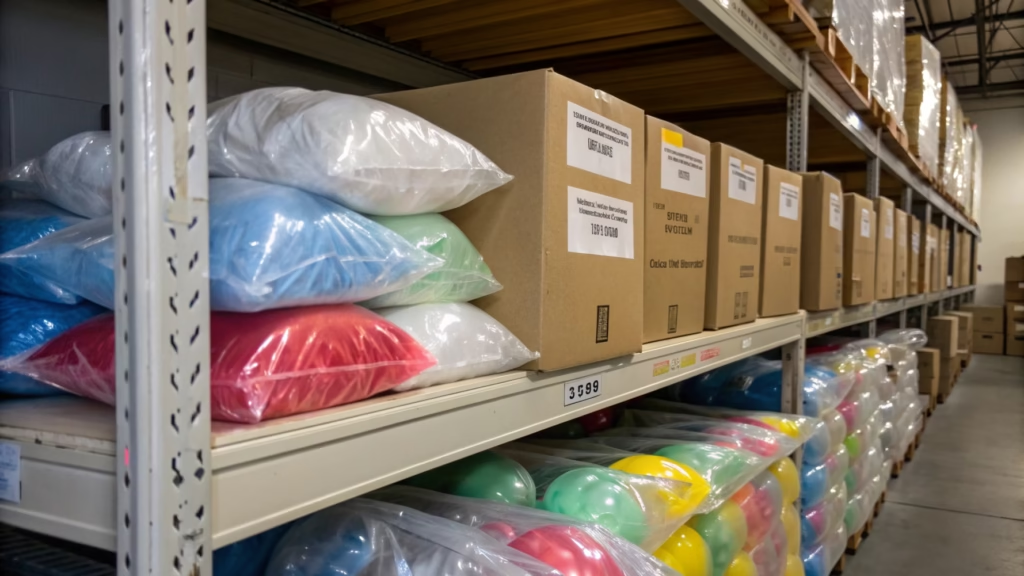
In my 10 years in this industry, I have seen how poor storage can ruin a perfect batch of balloons. Latex is a natural material, so it is sensitive to its environment even before it's inflated. Think of it like storing good wine; you need the right conditions.
Factors Affecting Shelf Life
- Light: UV light from the sun is the biggest enemy6. It breaks down the latex, making it weak and sticky. Always store balloons in their original, opaque packaging. If they come in clear bags, put them inside a dark container or box.
- Heat: High temperatures accelerate the aging process. A hot warehouse or car trunk will shorten the balloon's life. The ideal storage temperature is between 10-20°C (50-68°F)7.
- Humidity: You need a dry environment. Moisture can make the balloons stick together and can even promote mold growth.
| Condition | Ideal Storage | Poor Storage |
|---|---|---|
| Location | Dark, cool room or closet | Sunny windowsill, car trunk |
| Packaging | Opaque, sealed bag | Open or clear bag |
| Temperature | 10-20°C (50-68°F) | Above 25°C (77°F) |
Properly stored balloons from a quality manufacturer like us will be ready to perform beautifully, even a year after you purchase them.
How does float time differ between air-filled and helium-filled balloons?
Wondering whether to use air or helium for your next event? The choice affects not just float time but also your budget and overall look, so making the wrong call can be frustrating.
Air-filled latex balloons do not float but can stay inflated for weeks indoors. Helium-filled balloons float, but the tiny helium atoms escape through the latex pores8 much faster. A standard 12-inch helium balloon typically floats for 6-8 hours, while our balloons often exceed 24 hours.
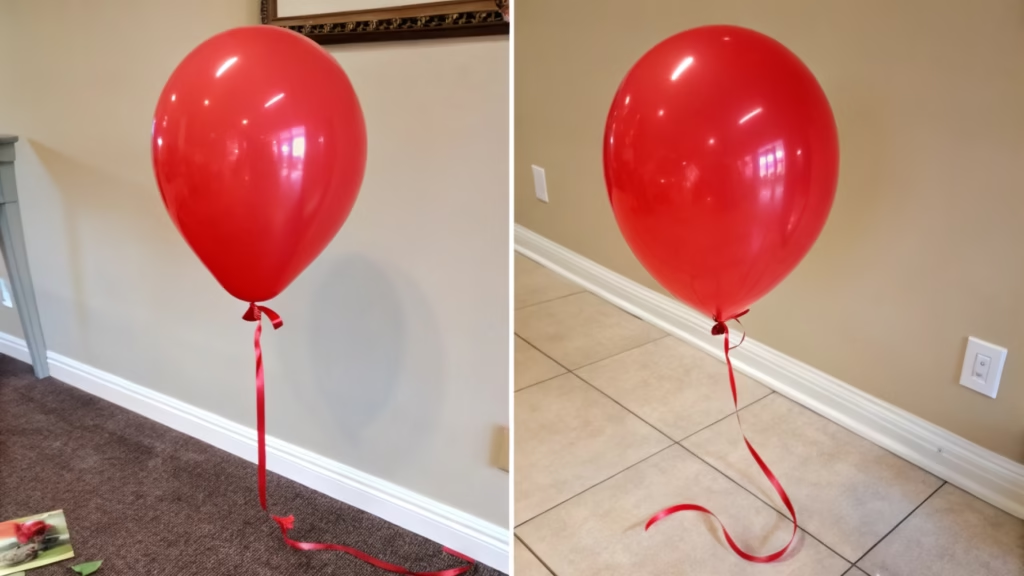
It all comes down to basic physics. Helium atoms are the second smallest atoms in the universe. The walls of a latex balloon look solid, but at a microscopic level, they are porous. The tiny helium atoms can easily find their way out. Air, on the other hand, is mostly made of larger nitrogen and oxygen molecules. They have a much harder time escaping through the latex.
Comparing Gas Performance
We often prepare balloon displays for trade shows. I remember setting up our booth one evening for a show starting the next morning. Our competitors' helium balloons, inflated at the same time, were already sinking by morning. Ours were still floating high. This is a direct result of the quality of the latex we use. Our manufacturing process creates a stronger, less porous barrier9, which is why our balloons consistently outperform the 6-8 hour industry average.
| Factor | Air-Filled Balloons | Helium-Filled Balloons |
|---|---|---|
| Float Ability | Does not float | Floats |
| Typical Lifespan | Several weeks | 6-8 hours (standard) |
| AIHUA Lifespan | Several weeks | 24+ hours |
| Best Use | Garlands, arches, wall decor | Bouquets, ceiling decor |
For any event planner or procurement manager, knowing this difference is critical for success. For decor that needs to stay on the ground or on a wall, air is perfect and cost-effective. For that classic floating look, helium is necessary, but the quality of the balloon is what determines if it lasts through the entire event.
Can using treatments like HI-FLOAT significantly extend a balloon's lifespan?
Are you tired of helium balloons drooping halfway through your celebration? It is disappointing when your beautiful decorations don't last. A simple pre-treatment can be the game-changing solution you need.
Yes, treatments like HI-FLOAT can dramatically extend the float time10 of helium-filled latex balloons. By creating an internal coating11, this treatment can make a standard balloon float up to 25 times longer. For our high-quality balloons, it means they can last for many days.
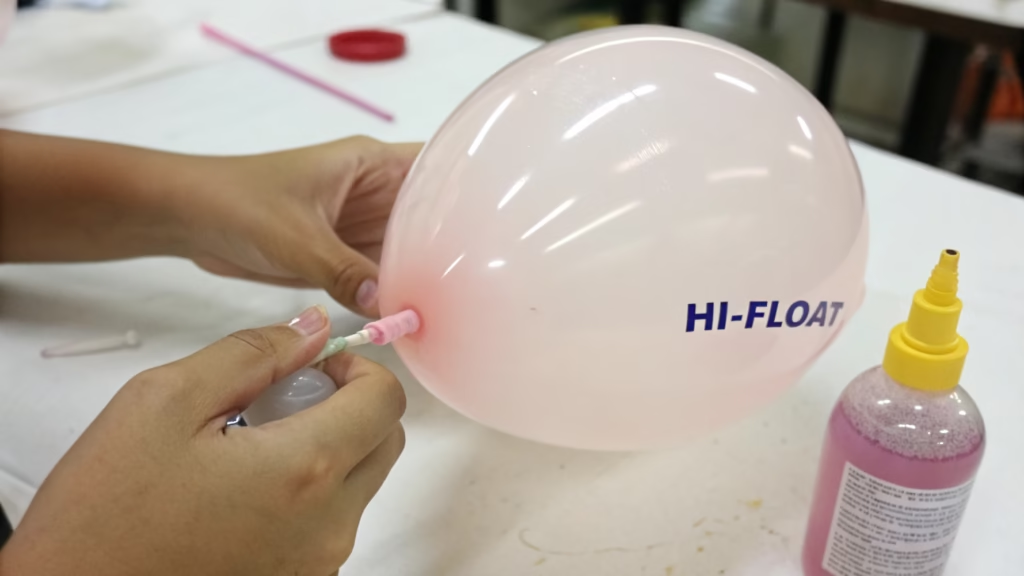
HI-FLOAT is essentially a liquid plastic that you pump inside the balloon before inflating it. When you rub the balloon, it coats the inner wall. As it dries, it forms a barrier that is very effective at keeping the tiny helium atoms from escaping. It is a brilliant and simple solution to a common problem. We always recommend it to customers who need their balloon arrangements to last for several days, like for a weekend-long event or a multi-day conference.
How to Use HI-FLOAT Effectively
The process is easy, but you need to do it right.
- Add the Treatment: Use the correct amount of HI-FLOAT based on the balloon size. The manufacturer provides a chart for this. Too much can weigh the balloon down.
- Coat the Inside: Rub the balloon gently for a few seconds to spread the liquid and create a uniform coating. Be thorough to avoid leaving any gaps.
- Inflate and Tie: Inflate the balloon with helium immediately and tie it tightly.
The balloon will feel wet inside at first. It's important to keep it in a dry, temperate environment for the first few hours to allow the coating to dry properly. A humid environment will slow the drying process12 and reduce its effectiveness. We have seen our AIHUA balloons, treated with HI-FLOAT, last for over a week, which is amazing for our clients.
How do outdoor elements like sun and heat impact balloon durability?
Planning an outdoor party and visioning a sky full of balloons? Before you do, know that outdoor conditions can destroy balloons quickly. This can lead to a messy and deflated party scene.
Outdoor elements are very harsh on latex balloons. Direct sunlight causes them to oxidize and pop within an hour. High heat makes the helium inside expand, increasing pressure and the risk of bursting. Wind can also cause them to tangle and pop.
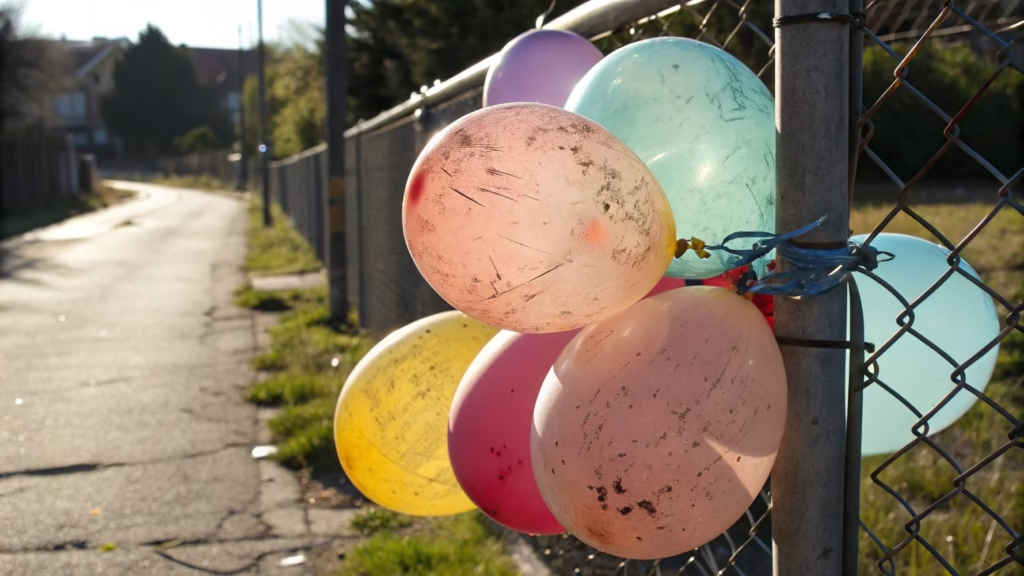
Latex balloons are biodegradable, which is a great environmental benefit. But that natural decomposition process, called oxidation, is sped up dramatically by UV light. You will see the balloon's surface change from shiny to a velvety, matte finish. This is a sign the latex is breaking down. Soon after, it will likely pop. I learned this the hard way years ago during a family picnic; our beautiful balloon arch looked sad and half-popped before we even finished lunch.
Tips for Using Balloons Outdoors
If you must use balloons outside, here are some strategies to make them last a little longer:
- Choose Light Colors13: Dark-colored balloons absorb more heat from the sun. This makes them expand and pop faster. White, pink, and other light-colored balloons will fare better.
- Under-inflate Them: Do not inflate the balloons to their full size. Leaving some room for the helium or air to expand in the heat can prevent them from bursting. Inflate them to about 90% of their capacity.
- Find Shade: The best solution is to place your balloons in a shaded area, like under a tent, a covered patio, or a large tree. Any protection from direct sun will help extend their life significantly.
Even with these tips, you should expect a much shorter lifespan for balloons used outdoors. For an important outdoor event, it’s best to inflate the balloons as close to the event start time as possible.
Conclusion
A balloon's lifespan depends on its quality, what it's filled with, and its environment. With quality products and proper care, your decorations will last through your entire celebration.
-
Understanding all the factors that impact balloon longevity helps you plan events and avoid last-minute decoration failures. ↩
-
Learn how to keep air-filled balloons looking fresh for weeks, saving money and effort on replacements. ↩
-
Discover why helium balloons deflate quickly and how to plan your event timing for maximum impact. ↩
-
Find out how premium balloon brands like AIHUA outperform competitors for reliable, long-lasting decor. ↩
-
Learn the science behind optimal balloon storage to ensure they inflate perfectly when needed. ↩
-
Protect your balloons from premature aging and popping by understanding the dangers of sunlight exposure. ↩
-
Maintaining the right temperature prevents balloon degradation and ensures event success. ↩
-
Understanding the science behind gas escape helps you select the right filling for your event duration. ↩
-
Learn how manufacturing quality impacts balloon performance and choose products that last longer. ↩
-
Discover how a simple treatment can make your helium balloons last days instead of hours. ↩
-
Explore how coatings like HI-FLOAT work to keep helium inside balloons for extended celebrations. ↩
-
Ensure your treated balloons last by understanding how environmental conditions impact HI-FLOAT performance. ↩
-
Make informed color choices for outdoor events to maximize balloon durability and visual appeal. ↩