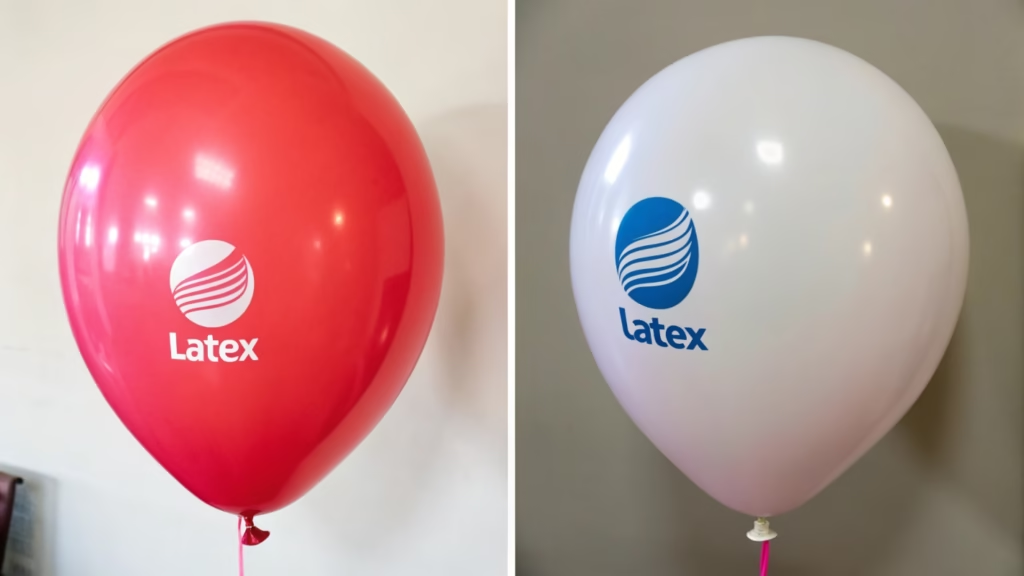
Is there a difference in quality between printed and unprinted latex balloons?
Struggling with inconsistent printed balloon quality1? Worried printing weakens the balloon itself? You need clear, reliable answers before placing your next large wholesale order.
Essentially, no. The quality of a printed balloon depends entirely on two things: the quality of the base balloon2 and the printing process3 used. A high-quality print on a premium balloon results in a premium product.
This might seem like a simple answer, but there is more to it. As someone who has managed balloon production4 for over ten years, I've seen firsthand how the details of printing can make or break a product line. The belief that printing automatically lowers quality is a myth I want to clear up. Let's explore what truly determines the final quality of a printed balloon. We will look at durability5, printing method6s, quality control, and the essential questions you need to ask your supplier.
How does custom printing affect the durability and float time of latex balloons?
Afraid that printed logos will make balloons pop faster? Concerned about reduced float times impacting your customers' events? This is a very common worry for buyers.
Professional printing has a minimal effect on durability and float time. The ink's weight is negligible. However, improper printing techniques or harsh inks can compromise the latex, slightly reducing float time or creating weak spots.

Let’s dive deeper into this. The main concern buyers have is that adding a layer of ink will somehow damage the balloon. This is a logical question, but it depends completely on the supplier’s process.
The Impact of Ink Weight
Firstly, the weight of the ink used for a standard print is incredibly small. A properly applied print weighs only a fraction of a gram. This amount is not enough to significantly impact how long a helium-filled balloon will float. A high-quality 12-inch latex balloon can lift several grams. The ink is well below this threshold. The quality of the latex and the balloon's seal are much more important factors for float time7.
Printing Process and Latex Integrity
Secondly, the printing method6 is very important. A professional printing8 process ensures the ink bonds with the surface of the latex without weakening it. Problems come from using the wrong type of ink or a poor application method.
| Factor | Good Printing Process | Poor Printing Process |
|---|---|---|
| Ink Type | Flexible, non-corrosive ink that stretches with the balloon. | Harsh solvent-based ink that makes latex brittle. |
| Curing Process | Gentle heat or air-drying that preserves latex elasticity. | Excessive heat that weakens the balloon's structure. |
| Durability | No noticeable change in pop resistance. | Creates a weak point where the balloon might pop. |
| Float Time | Minimal to no impact on float duration. | Can slightly reduce float time due to latex damage. |
In my experience, I once worked with a client who switched to a cheaper supplier for their printed balloons. They soon reported a higher rate of breakage. We found their new supplier was using an ink that became brittle when dry. When the balloon was fully inflated, the inflexible ink patch created a stress point, causing it to pop easily. This shows that the issue wasn't the printing itself, but the quality of the printing.
What printing methods and ink types are safest for maintaining latex integrity?
Worried that the inks used are toxic? Unsure which printing method delivers the best results without harming the balloon? Choosing the right technology is crucial for safety and quality.
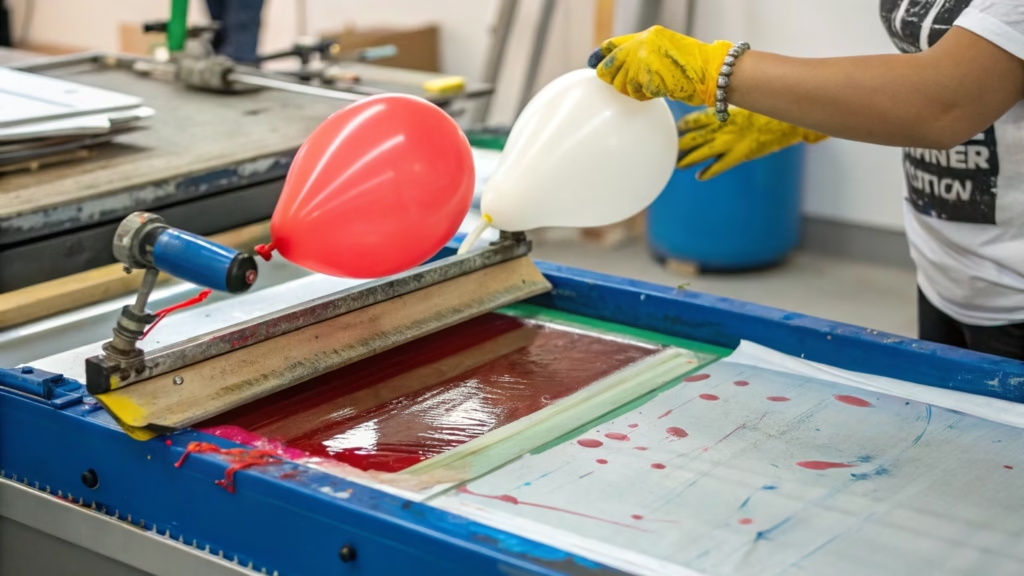
Screen printing with specially formulated, flexible latex inks9 is the industry standard for safety and quality. These inks are designed to stretch with the balloon and are non-toxic, ensuring the latex is not damaged.
For a procurement manager like Sarah, understanding the technical side of printing is key to sourcing safe, high-quality products. It’s not just about getting a logo on a balloon; it’s about making sure the final product is reliable and compliant.
Choosing the Right Printing Method
The best method for printing on latex balloons is screen printing. It is a proven technique that offers durability and vibrant colors.
- Screen Printing: This method involves pushing ink through a mesh screen onto the balloon. It allows for a thick, opaque layer of ink that provides excellent coverage and a sharp image. Because we can control the ink deposit, we ensure it's not too heavy.
- Digital Printing: This is a newer technology. It can be good for complex, multi-color images. However, the inks and machinery must be specifically designed for elastic surfaces like latex. It is less common for high-volume orders because it can be slower and more expensive. As a buyer, you should always ask for samples to check the print's flexibility if a supplier suggests this method.
The Importance of Safe, Flexible Inks
The type of ink is probably the most critical factor. Not all inks are suitable for balloons. At AIHUA BALLOON, we learned this early on. Using the wrong ink can lead to product recalls and damage a brand's reputation.
Here is a breakdown of ink types:
| Ink Characteristic | Why It's Important | What to Look For |
|---|---|---|
| Flexibility | The ink must stretch as the balloon inflates without cracking or peeling. | Inks formulated with a latex or flexible polymer base. |
| Safety | Balloons are often handled by children and used near food. Inks must be non-toxic. | Certifications like EN71 (European toy safety standard) or CPSIA (US toy safety). |
| Adhesion | The ink needs to bond chemically with the latex surface so it doesn't rub off. | Ask suppliers about their ink adhesion tests10. |
| Durability | The print must resist abrasion and not fade quickly. | Inks with high-quality pigments that are resistant to UV light. |
A good supplier will be transparent about their printing methods and the safety certifications11 of their inks. Always ask for this documentation.
Are there specific quality control tests for printed balloons versus unprinted ones?
How can you be sure a printed balloon is just as strong as an unprinted one? Wondering if suppliers perform extra checks after printing? You need to know about the QC process.
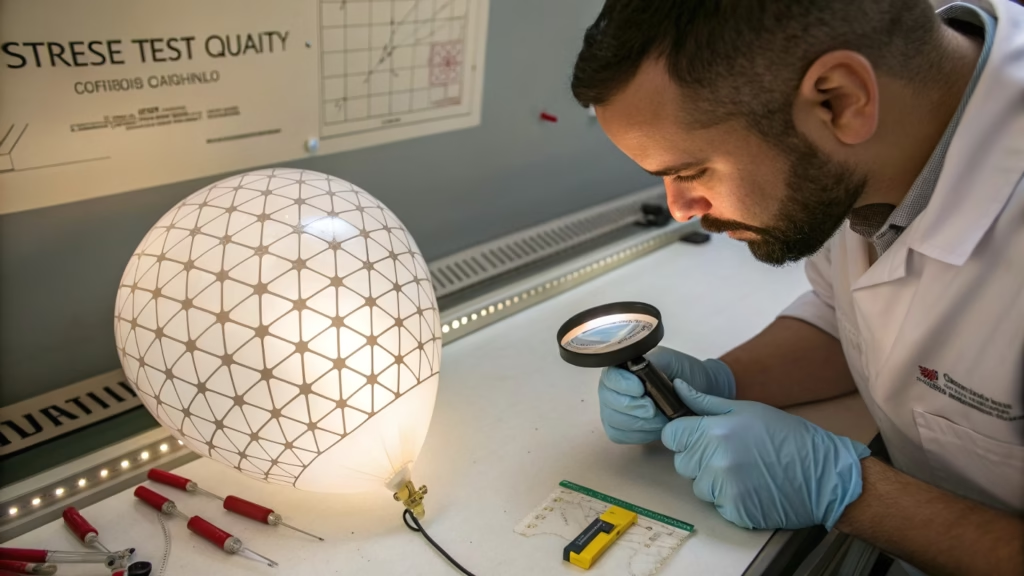
Yes, reputable manufacturers conduct specific tests on printed balloons. These include ink adhesion tests10, inflation tests to check for print distortion or cracking, and 24-hour float tests to ensure the print hasn't compromised the balloon's integrity.
Quality control is everything in our industry. For printed balloons, we don't just rely on the tests we do for our standard balloons. We add extra steps to ensure the print itself meets our high standards and doesn't create a new problem. After spending years refining our processes, I can tell you that a dedicated QC plan for printed products is non-negotiable.
Key QC Tests for Printed Balloons
A robust quality control process for printed balloons should include several unique checks. When I talk with procurement managers, I always encourage them to ask potential suppliers about these specific tests.
- Inflation Stress Test: We inflate a statistical sample of printed balloons to their maximum recommended size. During and after inflation, we inspect the printed area closely. We look for any signs of the ink cracking, peeling, or fading. It should stretch perfectly with the balloon.
- Ink Adhesion (Rub Test): After the ink is fully cured, we perform a rub test. This can be as simple as rubbing the print firmly with a cloth. The ink should not smudge, flake, or transfer. This test confirms the ink has bonded properly to the latex. A failed rub test is a major red flag.
- 24-Hour Inflation and Float Test: This is the ultimate test. We take printed balloons from a batch, inflate them with helium, and observe them for at least 24 hours. This test verifies two things:
- The print did not create any microscopic holes or weak spots that would cause the balloon to leak air or helium faster than normal.
- The added weight of the ink is negligible and does not negatively affect the float time compared to an unprinted balloon from the same batch.
Here is what a basic QC checklist for printed balloons looks like:
| Test Stage | Checkpoint | Pass/Fail Criteria |
|---|---|---|
| Pre-Printing | Base balloon quality check | Free of pinholes, consistent thickness, correct color. |
| During Printing | Print alignment and color accuracy | Logo is centered, colors match the approved artwork. |
| Post-Printing | Inflation Stress Test | No cracking or peeling of the ink when fully inflated. |
| Post-Printing | Ink Adhesion Rub Test | No ink transfer, smudging, or flaking. |
| Final Batch QC | 24-Hour Float Test | Float time is within the expected range for the balloon size. |
Without these specific tests, a supplier cannot guarantee that their printed balloons are as reliable as their unprinted ones.
What should wholesale buyers ask suppliers about the impact of printing on balloon quality?
Ready to talk to suppliers but not sure what to ask? Want to avoid common pitfalls and ensure you get a high-quality printed product? Asking the right questions is key.
Buyers should ask about ink types and safety certifications11, the printing method used, and specific quality control tests12 for printed products. Also, request samples to evaluate the print's flexibility and durability firsthand.
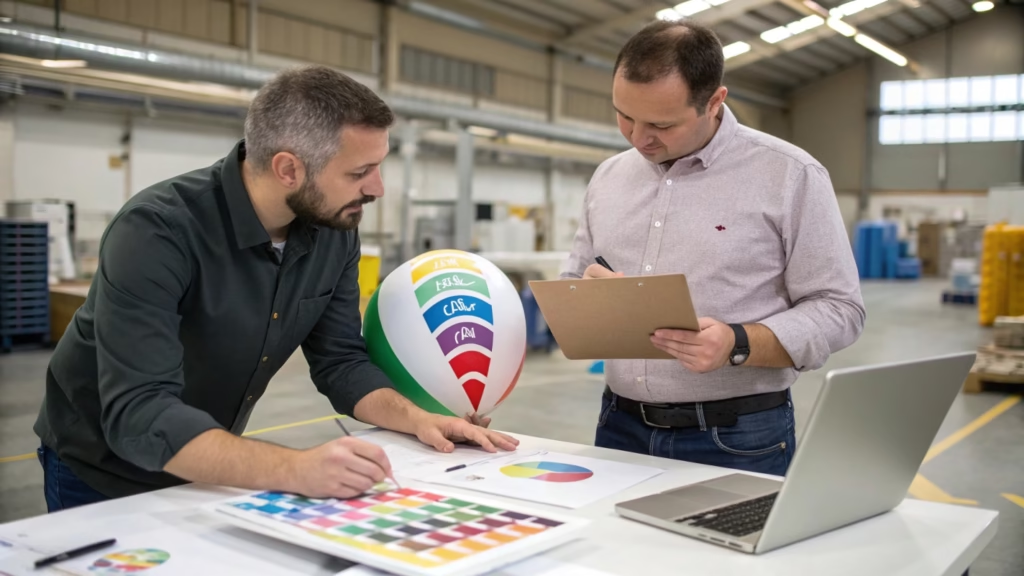
From my position, I speak with buyers like Sarah every week. The most successful partnerships begin with clear communication and detailed questions. A good supplier will welcome your questions and have ready answers. It shows you are a serious partner who cares about quality. A supplier who avoids these questions is waving a red flag.
Your Essential Supplier Questionnaire
To protect your brand and ensure you receive a product that meets your standards, you need to be prepared. Before you sign a contract, get clear answers to the following questions. I've structured them to help you get the information you need to make an informed decision.
-
About the Ink and Safety:
- "What type of ink do you use for screen printing13 on latex balloons?" (Look for answers about flexible, specialized latex inks.)
- "Are your inks non-toxic and compliant with international safety standards like EN71 or CPSIA?"
- "Can you provide copies of these safety certifications11 for my records?"
-
About the Process:
- "What printing method do you use, and why did you choose it?" (Screen printing is the most common and reliable method.)
- "How do you cure the ink, and how does your process prevent damage to the latex from heat?"
-
About Quality Control:
- "What specific quality control tests12 do you perform on printed balloons that are different from unprinted balloons?"
- "Can you describe your process for conducting an inflation test and an ink adhesion test?"
- "What is your acceptable quality limit (AQL) for print defects in a batch?"
-
About Physical Samples:
- "Can you send me physical samples of a previous print job on the same type of balloon I plan to order?"
- "Can you provide a pre-production sample with my artwork for approval before starting the full production run?"
Getting answers to these questions will give you a complete picture of the supplier's capabilities. It helps you move beyond their sales pitch and evaluate their actual production and quality standards. I remember a time a large retailer approached us after receiving a bad batch from another vendor. They hadn't asked about QC tests and ended up with thousands of balloons where the ink flaked off right out of the bag. By asking these questions upfront, you can avoid costly mistakes like that.
Conclusion
The quality difference is not between printed and unprinted balloons. It is between a professional process and a poor one. A great printed balloon starts with a great balloon.
-
Understanding the factors influencing printed balloon quality can help you make informed purchasing decisions. ↩
-
Learn how the base balloon quality impacts the final product and ensures durability. ↩
-
Discover the most effective printing processes that maintain balloon integrity and quality. ↩
-
Understand the essential aspects of balloon production to ensure quality and safety. ↩
-
Explore the key factors that influence the durability of printed balloons for better product selection. ↩
-
Discover the most reliable printing methods that ensure quality and safety for latex balloons. ↩ ↩
-
Find out how printing impacts float time and what to consider for event planning. ↩
-
Understand the standards of professional printing to ensure high-quality balloon products. ↩
-
Understand the importance of flexible latex inks in maintaining balloon quality during printing. ↩
-
Discover the significance of ink adhesion tests in ensuring print durability on balloons. ↩ ↩
-
Learn about safety certifications that ensure the inks used in balloons are non-toxic and safe. ↩ ↩ ↩
-
Learn about essential quality control tests that ensure the reliability of printed balloons. ↩ ↩
-
Explore the advantages of screen printing for achieving vibrant and durable balloon designs. ↩