
Oxidation 101: What Causes That Velvety, Matte Finish on Latex Balloons?
Your shiny latex balloons turn dull and matte, ruining your perfect display. This cosmetic change can disappoint clients. Understanding the cause is the first step to keeping your balloons looking fresh.
The velvety, matte finish is caused by oxidation1. This is a chemical reaction2 that happens when latex is exposed to UV light3, heat, and oxygen. The process breaks down the balloon's surface, causing it to lose its glossy shine and develop a dull, velvety appearance.
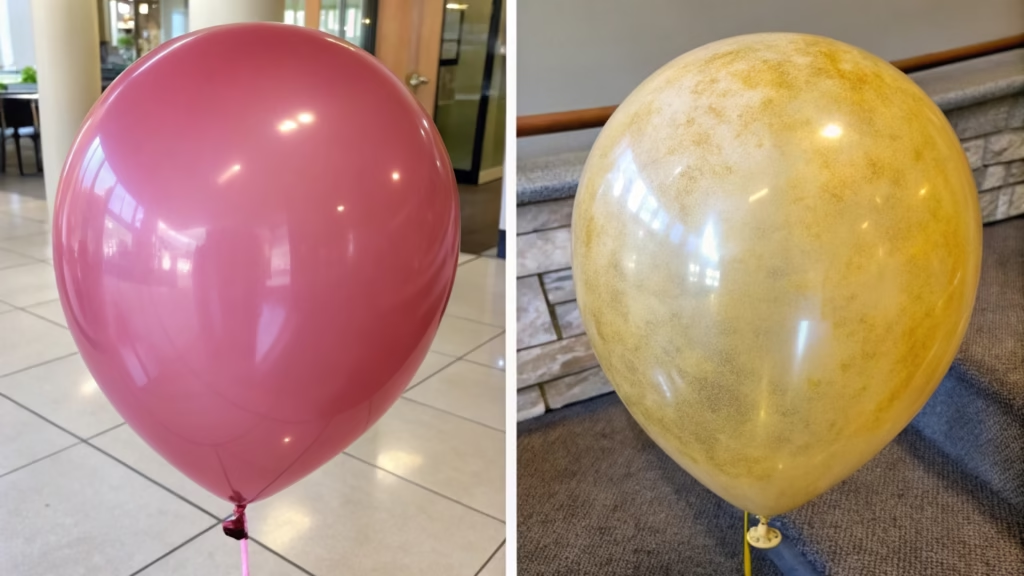
I've seen this transformation happen hundreds of times over my years in the balloon industry. It’s a natural process, but it often raises questions for my clients, especially professional buyers. They want to know if this change is just about looks or if it affects the balloon's performance. The truth is, oxidation impacts more than just the shine. It changes the very structure of the balloon. Let's look deeper into what this means for your inventory and your events.
How does oxidation affect the durability and float time of latex balloons4?
Are you worried that dull-looking balloons might pop sooner? You see them looking weak and matte. Here’s what you need to know about how oxidation affects their strength and performance.
Oxidation makes latex brittle. This process weakens the balloon's structure, increasing the risk of it popping unexpectedly. While it doesn't directly reduce float time, the damage can cause tiny holes, letting helium escape faster.
Oxidation is more than just a surface-level change. It fundamentally alters the chemical makeup of the latex. As a balloon sourcing manager, understanding this helps you predict product performance and manage customer expectations.
The Science of a Weaker Balloon
Latex is made of long polymer chains that give it strength and elasticity. When a balloon oxidizes, these chains break down. The balloon loses its ability to stretch and becomes fragile. Think of it like an old rubber band. When new, it's stretchy and strong. Over time, it becomes stiff and snaps easily. The same thing happens to an oxidized balloon. This increased brittleness means it is much more likely to pop when handled or exposed to even small temperature changes5. This is a critical quality issue that can lead to failed decorations and unhappy clients.
Impact on Float Time
Oxidation's effect on float time is indirect. A standard latex balloon loses helium because the gas atoms are small enough to pass through the pores of the latex. Oxidation degrades the latex structure, which can widen these pores or create micro-tears. This allows helium to escape at a faster rate, reducing the balloon's float time.
| Feature | Fresh Balloon | Oxidized Balloon |
|---|---|---|
| Surface | Glossy, smooth | Matte, velvety, sometimes chalky |
| Elasticity | High, very stretchy | Low, brittle |
| Durability | Strong, resilient | Weak, prone to popping |
| Helium Loss | Normal rate | Potentially faster rate |
What are the ideal storage conditions to prevent premature oxidation in bulk stock?
You have thousands of dollars invested in your balloon inventory6. Storing them improperly can ruin your stock before you even use it. Here’s how you can protect that big investment.
Store bulk balloon stock in a cool, dark, and dry environment. Keep balloons inside their original, sealed packaging until use. Avoid all exposure to direct sunlight, fluorescent lights, and extreme temperatures to slow oxidation.
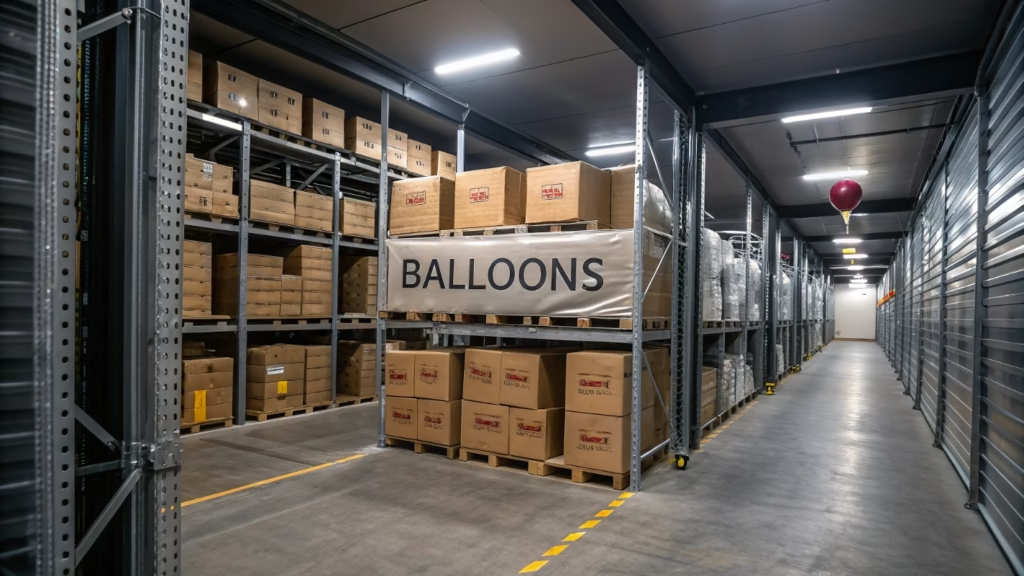
I always tell my clients that a balloon’s life begins long before it’s inflated. Proper storage is one of the most important factors for ensuring quality. For a procurement manager like Sarah, controlling warehouse conditions is key to protecting inventory and maintaining profitability. An entire shipment can be compromised by poor storage, so getting it right is essential. Let’s break down the three main enemies of latex balloons in storage.
Enemy #1: Light
UV light is the biggest accelerator of oxidation. This includes direct sunlight and even the strong fluorescent lights found in many warehouses. UV rays provide the energy that speeds up the chemical reaction2, breaking down the latex.
- Solution: Always store balloons in opaque bags or their original cardboard boxes. Keep them away from windows and consider using UV-filtering films on warehouse lighting if direct exposure is a risk.
Enemy #2: Heat
Heat is another catalyst for oxidation. The higher the temperature, the faster the polymer chains in the latex will degrade. Storing balloons in a hot stockroom, near a heater, or in a delivery vehicle on a sunny day can cause significant damage.
- Solution: Your storage area should be climate-controlled. The ideal temperature range is between 10-20°C (50-68°F).
Enemy #3: Air & Humidity
Oxygen is a necessary component for oxidation to occur. While you can't eliminate it completely, you can limit its exposure. Humidity can also play a role, as moisture7 can sometimes accelerate the breakdown of certain compounds in the latex.
- Solution: Keep balloons in their factory-sealed bags for as long as possible. This minimizes their contact with oxygen. The storage area should also be dry to prevent any issues with moisture.
Can certain brands or manufacturing processes offer better resistance to oxidation?
Have you noticed some balloons lose their shine faster than others? You wonder if it’s the brand or the color. The answer is yes, manufacturing choices can make a big difference in longevity.
Yes, some brands offer better oxidation resistance. This is due to the quality of raw latex8 and specific additives mixed in during manufacturing. Higher-quality balloons often use purer latex and proprietary formulas to slow the oxidation process.
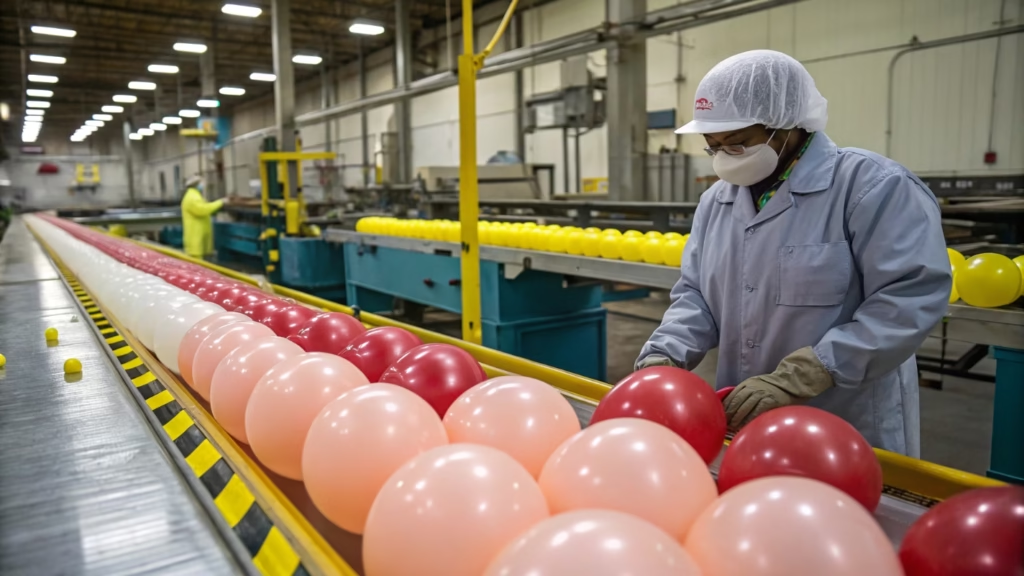
As a manufacturer with over 37 years of experience, I can tell you that not all balloons are created equal. At AIHUA BALLOON, we invest heavily in research and development to improve our products. The choices we make, from sourcing raw materials to our final production steps, directly impact how well our balloons resist oxidation. For a buyer, knowing what to look for can help you source more reliable products.
The Role of Raw Materials
It all starts with the quality of the natural latex. We source our latex from reputable plantations to ensure it is pure and has the right properties from the start. Impurities in the raw latex can create weak spots in the finished balloon, making it more susceptible to oxidation and failure.
Manufacturing Additives and Techniques
During production, we mix in small amounts of antioxidants. These special compounds act as a defense mechanism. They sacrifice themselves to react with oxygen and UV light before the latex itself can be damaged. This is a key part of our formula. The dipping and curing process also matters. A precisely controlled process ensures a uniform thickness and a properly cross-linked polymer structure, which creates a stronger, more resilient balloon wall. Our ISO9001 certification isn't just a piece of paper; it's a guarantee of our commitment to these controlled, repeatable processes that produce a superior product.
| Manufacturing Factor | Low-Quality Balloon | High-Quality Balloon (AIHUA) |
|---|---|---|
| Raw Latex | May contain impurities | Pure, high-grade natural latex |
| Additives | Minimal or no antioxidants | Proprietary antioxidant formula added |
| Curing Process | Inconsistent temperature and time | Precisely controlled for optimal strength |
| Quality Control | Basic spot checks | Rigorous testing at multiple stages |
Is it possible to reverse the matte effect for display or event purposes?
Your balloon display9 is set up, but it already looks dull and old. You need to restore that shine before the event starts. Here are the professional solutions to this common problem.
You cannot reverse oxidation, as it is a permanent chemical change. However, you can restore a glossy finish by applying a specially formulated balloon shine spray10. This coats the balloon, hiding the matte texture.

I get this question all the time from event planners. They create a beautiful arch, but after a few hours in the sun, it loses its magic. While you can’t turn back the clock on the latex itself, you can absolutely bring back the visual appeal. The key is to manage the surface appearance, not to change the underlying material. There are a few strategies that professionals use to keep their creations looking vibrant from the start of an event to the very end.
The Best Solution: Balloon Shine Spray
The most effective method is using a hi-shine spray. These products are designed specifically for latex balloons. They are typically silicone-based liquids that you spray directly onto the inflated balloons.
- How it Works: The spray creates a thin, clear, and glossy coating over the balloon's surface. This coating fills in the microscopic pits caused by oxidation and reflects light, instantly restoring a wet, shiny look.
- Bonus Benefit: This coating also acts as a protective barrier, slowing down further oxidation. For outdoor events, I always recommend applying a shine spray right after inflation as a preventative measure.
Timing is Everything
Another strategy is simply timing. To ensure your balloons look their best, inflate them as close to the event start time as possible.
- Prep On-Site: If you're building a large installation, do as much of the inflation and assembly on-site as you can. This minimizes the balloon's exposure to outdoor elements like sun and wind before the event even begins. This reduces the window of time for oxidation to occur.
Remember, these are cosmetic fixes. The balloon is still oxidized underneath and will be more brittle. Handle treated balloons with care.
Conclusion
Oxidation is a natural process that turns balloons matte. You can slow it with proper storage and protect balloons with shine sprays, ensuring your displays always look vibrant and professional.
-
Learn about the chemical process of oxidation and its impact on balloon performance and appearance. ↩
-
Delve into the science behind balloon oxidation and its effects on latex. ↩ ↩
-
Discover how UV light accelerates oxidation and how to protect your balloons from it. ↩
-
Explore expert tips on how to keep your latex balloons looking fresh and vibrant for events. ↩
-
Explore how temperature fluctuations can impact the integrity of latex balloons. ↩
-
Learn effective inventory management strategies to protect your balloon stock. ↩
-
Learn about the role of moisture in balloon storage and how to mitigate its effects. ↩
-
Discover why the quality of raw latex is crucial for producing durable balloons. ↩
-
Get tips on keeping your balloon displays looking fresh and vibrant throughout events. ↩
-
Explore options for balloon shine sprays that can help restore the glossy finish of your balloons. ↩