
Preventing Oxidation: How to Keep Matte Balloons Looking Fresh
Preventing Balloon Oxidation: A Complete Guide
Balloon oxidation is a common problem that causes balloons to become brittle, discolored, and deflate prematurely. Understanding how to prevent oxidation can significantly extend the life of your balloons, saving you money and ensuring your decorations look great for longer. This comprehensive guide covers proven methods to keep your balloons fresh and vibrant.
What Is Balloon Oxidation?
Balloon oxidation occurs when the rubber or latex material reacts with oxygen in the air, causing chemical changes that weaken the balloon structure. This process is accelerated by factors such as heat, sunlight, humidity, and certain chemicals. Oxidation is a natural chemical process where molecules lose electrons, and when it affects balloon latex, it leads to deterioration of the material's properties.
When balloons oxidize, you may notice:
- discoloration or browning of the surface
- weakened rubber that tears easily
- premature deflation
- a dusty or chalky texture on the surface
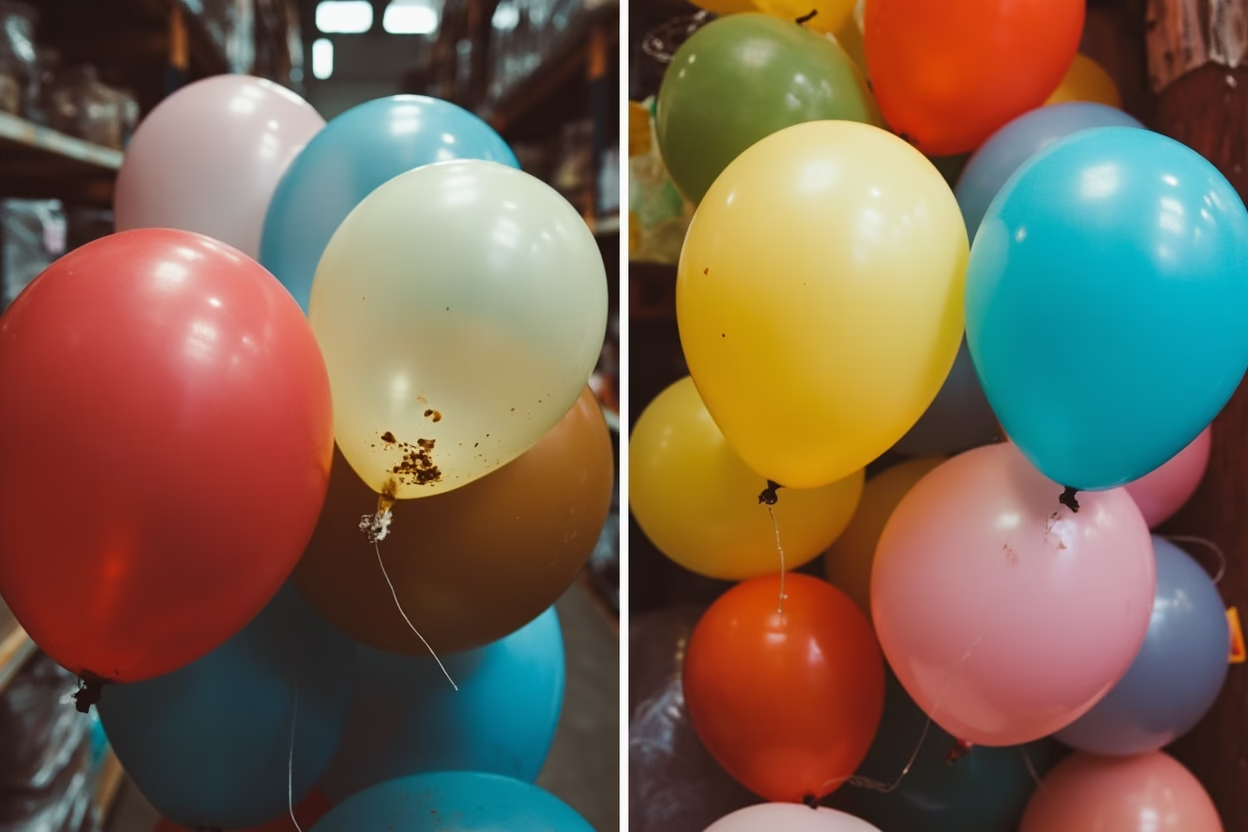
Comparison of oxidized and properly stored balloons
Optimal Storage Conditions
Proper storage is the first line of defense against balloon oxidation. The environment where you store your balloons plays a crucial role in determining how quickly they will deteriorate. Creating the right storage conditions can extend balloon life by several months or even years.
Temperature Control
Balloons should be stored in a cool, consistent environment. The ideal temperature range is between 50-70 degrees Fahrenheit (10-21 degrees Celsius). Extreme temperatures accelerate oxidation significantly. Avoid storing balloons in garages, attics, or near windows where temperature fluctuations are common. Temperature affects the rate of chemical reactions, including oxidation processes.
Humidity Management
Keep storage areas dry with humidity levels below 50%. Moisture in the air can interact with balloon materials and speed up degradation. Use silica gel packets in storage containers to absorb excess moisture. Sealed plastic containers with desiccants provide excellent protection against humidity-related oxidation.
Light Protection
Ultraviolet light from sunlight and fluorescent bulbs causes photo-oxidation, a faster form of deterioration. Store balloons in opaque containers or dark closets away from direct light. Clear containers should be kept inside closed cabinets or wrapped in dark cloth to block light exposure.
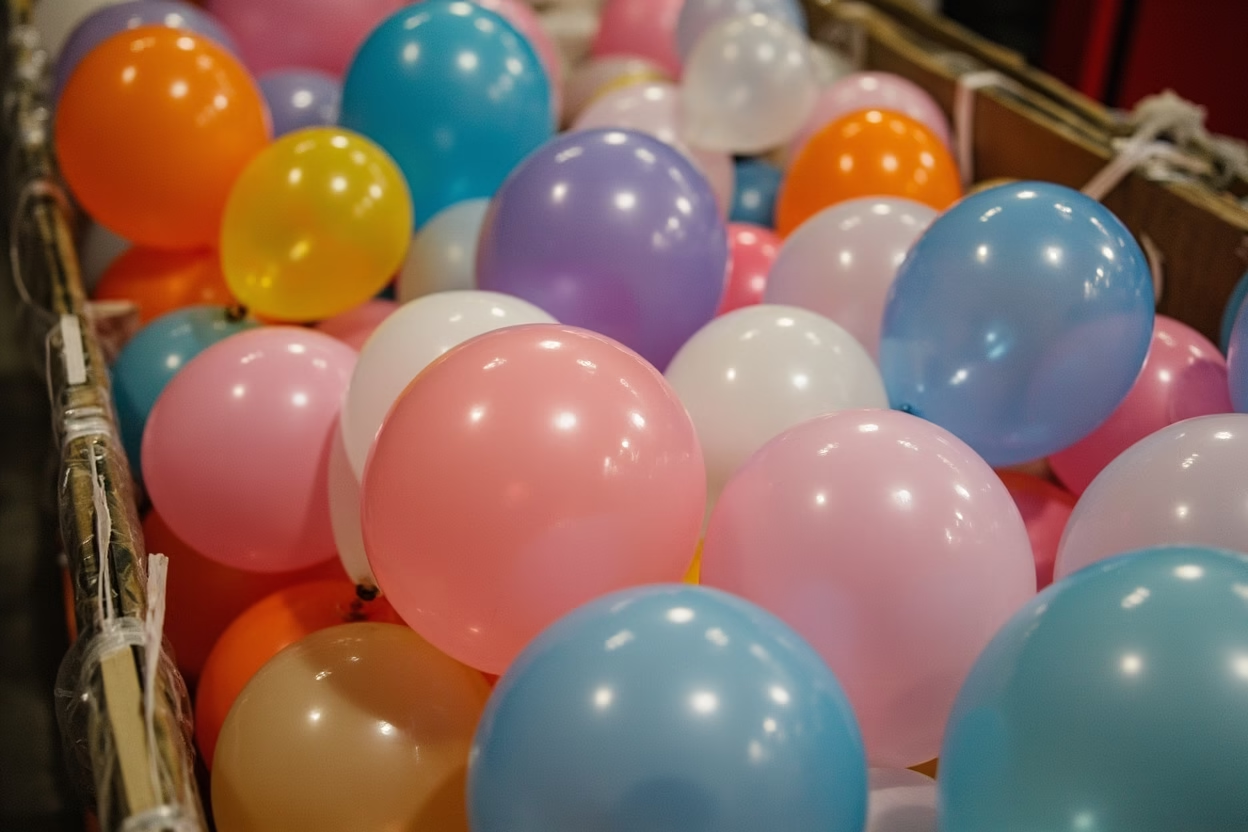
Proper storage container with moisture control
Handling Best Practices
How you handle balloons before and during use also affects their resistance to oxidation. Following proper handling procedures ensures maximum longevity even after the balloons are removed from storage.
Clean Hands and Surfaces
Oils, lotions, and dirt from hands can accelerate balloon degradation. Always wash your hands thoroughly before handling balloons, or use cotton gloves for added protection. Work on clean surfaces free from chemicals and debris. This is especially important for decorative balloons that will be on display for extended periods.
Avoid Over-Inflation
Inflating balloons beyond their recommended size creates stress on the latex, making them more susceptible to oxidation and premature failure. Use proper sizing charts and stop inflation when you reach the recommended diameter. Over-inflated balloons not only pop easier but also deteriorate faster even if they survive.
Use Balloon Shine Products
Commercial balloon shine products create a protective coating that slows oxidation and adds a glossy finish. Apply these products after inflation for best results. Hi-Float gel is particularly effective for extending the life of helium-filled balloons by reducing gas permeability through the latex.
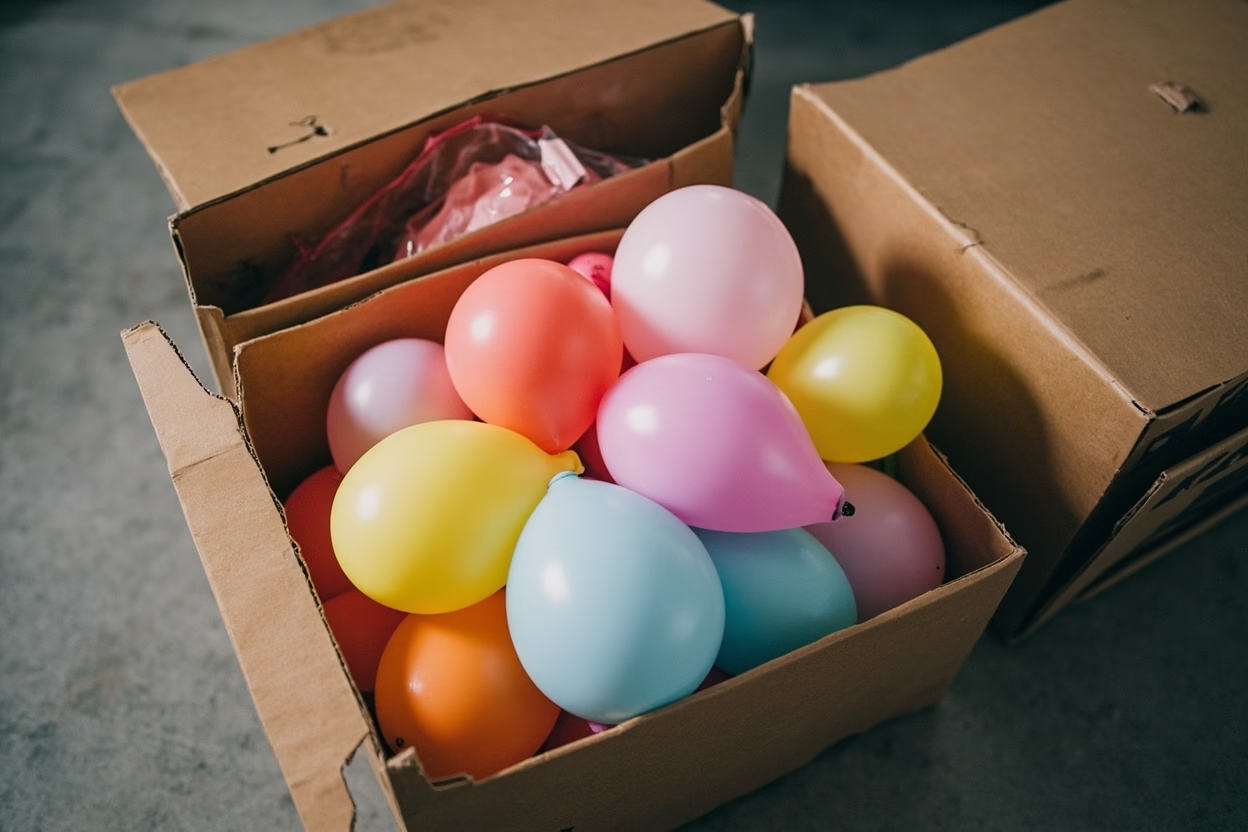
Applying protective coating to prevent oxidation
Long-Term Preservation Tips
For balloons that need to last days or weeks, additional preservation techniques can make a significant difference. These methods are popular for events, storefront displays, and situations where balloon arrangements must look fresh for extended periods.
- Use Hi-Float gel for helium balloons to extend float time up to 25 times longer
- Avoid placing balloon arrangements near heat sources, vents, or drafty areas
- Keep balloons away from sharp objects, rough surfaces, and abrasive materials
- Reinflate partially deflated balloons promptly to maintain structure
- Consider using metallic or foil balloons for longer events as they resist oxidation better
Frequently Asked Questions
How long do balloons typically last before oxidation becomes visible?
Untreated latex balloons typically show visible oxidation within 8-12 hours when exposed to normal indoor conditions. With proper storage and treatment, this timeline can be extended significantly. Metallic balloons can last several weeks without noticeable oxidation.
Can I reverse balloon oxidation once it has started?
Unfortunately, oxidation is an irreversible chemical process. Once a balloon begins to oxidize, the damage cannot be undone. The best approach is prevention through proper storage and handling. Replace oxidized balloons promptly as they become fragile and can pop unexpectedly.
Does the color of a balloon affect how quickly it oxidizes?
Yes, certain colors oxidize faster than others. Pastel colors and white balloons tend to show oxidation more visibly as browning. Darker colors like black, navy, and purple resist visible oxidation longer. However, the underlying oxidation process affects all colors similarly.
Should I store balloons inflated or deflated?
Deflated balloons stored in airtight containers with desiccants have the longest shelf life. However, if you need to store pre-inflated balloons for short periods, keep them in a cool, dark place and avoid crowding them together. Never store fully inflated balloons long-term as the constant pressure stresses the latex.
Are there balloons specifically designed to resist oxidation?
Yes, many manufacturers produce premium latex balloons treated with anti-oxidant solutions during manufacturing. Foil and metallic balloons are naturally more resistant to oxidation. Look for balloons labeled as "extended life" or "oxidation resistant" for applications requiring longer durability.
Conclusion
Preventing balloon oxidation requires a combination of proper storage, careful handling, and proactive maintenance. By controlling temperature, humidity, and light exposure, you can dramatically extend the life of your balloons. Always use clean hands, avoid over-inflation, and consider protective products like balloon shine and Hi-Float gel for long-lasting results.
With these strategies, you can keep your balloons looking vibrant and avoid the frustration of premature deflation and discoloration. For quality balloons and accessories designed to resist oxidation, explore our complete collection at AIHUA Balloon.