
Understanding Balloon Sizes: 5, 10, 12, 18, and 36 Inches
Quick answer: what do 5, 10, 12, 18 and 36 inch balloon sizes mean?
The inch number normally describes a nominal inflated diameter, not the flat uninflated length and not a guaranteed exact measurement. Five-inch balloons are commonly used for small accents and detailed clusters; 10- and 12-inch balloons cover many general party, retail and event uses; 18-inch balloons create larger focal points; and 36-inch balloons are usually planned as giant statement elements. The exact item, inflation method and approved sample still control the result.
This page answers the broad size-selection question. Wholesale buyers comparing 5, 10 and 12 inch specifications, packing and QC should continue to the AIHUA procurement size chart.
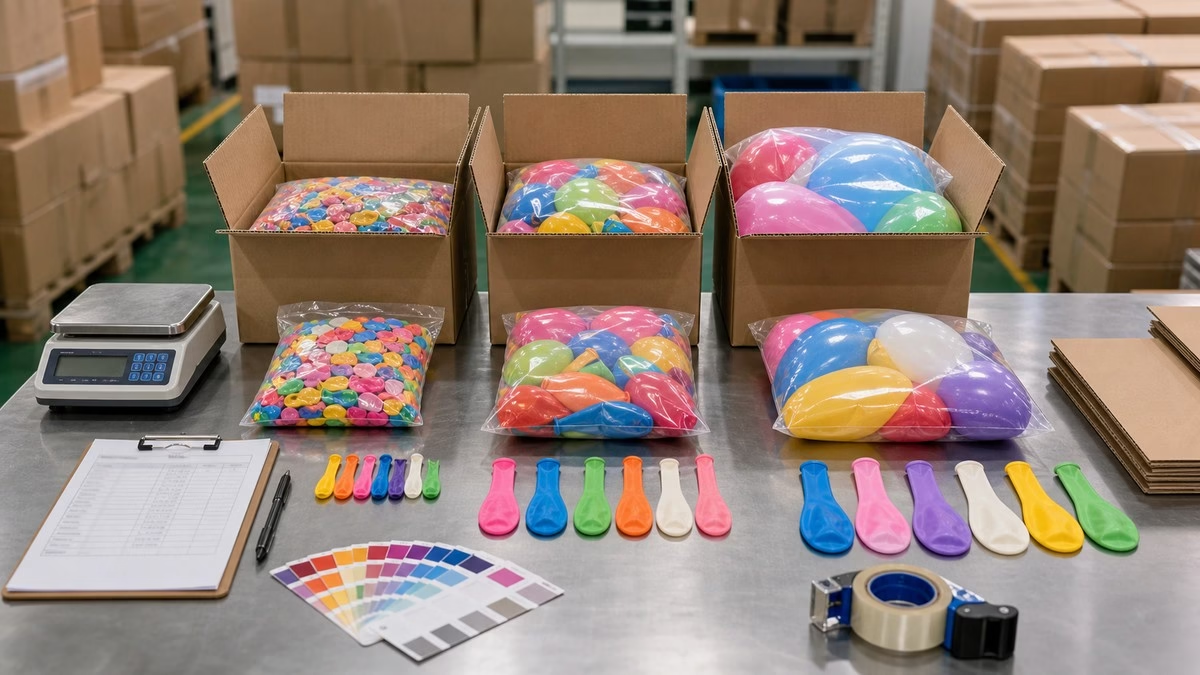
Balloon size reference chart
| Nominal size | Typical design role | Fill-planning note | Buyer check before ordering |
|---|---|---|---|
| 5 inch balloons | Garland gaps, mini clusters, accents, crafts and compact details. | Often planned for air-filled work; helium behavior should be tested on the exact item if required. | Measured sample, tying/neck behavior, color consistency and small-item packing count. |
| 10 inch balloons | Table decoration, compact bouquets, party packs and retail assortments. | Air or helium choice depends on the display and product test. | Inflated appearance, piece specification, color/finish, bag count and carton data. |
| 12 inch balloons | General event decoration, bouquets, branded balloons and larger visual units. | Often considered for air- or helium-filled displays; test the exact product and conditions. | Size tolerance, neck/seal behavior, print area if applicable, packing and batch evidence. |
| 18 inch balloons | Statement accents, focal points and mixed-scale installations. | Gas demand and anchoring become more important as volume increases. | Current availability, inflation limit, color/finish, handling, weights/anchors and carton plan. |
| 36 inch balloons | Giant statement pieces, photo backdrops and high-visibility installations. | Requires a deliberate inflation, transport, rigging and safety plan. | Current product specification, inflation equipment, site access, anchor plan and order-specific test. |
The use cases above are selection guidance, not a universal catalog promise. A supplier may use different molds, weights, colors, finishes and packing for the same nominal size. Confirm the current SKU before relying on a size label.
Nominal size vs actual inflated diameter
A balloon marked 12 inch is intended to be discussed around that nominal size, but the accepted production result should come from a written method. Over-inflating until a balloon reaches its physical maximum is not the same as inflating it to the intended working size. Under-inflation can also change shape, color density, print appearance and fit in a design.
For a repeatable comparison:
- identify the exact product, color and batch;
- use the same pump, regulator or inflation process;
- define the target method and when the measurement is taken;
- measure at the agreed point with a sizing box, ring, template or calibrated tool;
- record the result and approved tolerance;
- keep the approved sample and photographs with the order file.
Wholesale buyers can use the size-tolerance approval guide when a retail claim, print position or installation depends on a tighter range.
How to choose a balloon size by application
Garlands and organic arches
Small balloons create detail and close gaps; mid-size balloons establish most of the visual body; larger balloons create rhythm and focal points. A useful plan defines the size mix, color ratio, total covered length, density target and replacement allowance. Do not infer final quantity from one photograph—the frame, spacing and inflation level change the count.
Bouquets and floating displays
Choose the visual scale first, then test the exact balloon with the intended gas, seal, treatment if any, ribbon, weight and environment. A generic size chart cannot guarantee float duration because formulation, inflation, temperature and handling differ.
Retail party packs
The size name must align with the approved sample, label wording, quantity per bag, assortment, barcode, warning information and destination-market file. Ten- and 12-inch balloons can look similar in an uninflated bag while producing different display and packing results.
Giant statement balloons
For 18- or 36-inch formats, the venue and logistics matter as much as appearance. Confirm inflation equipment, door and lift access, transport after inflation, hanging or anchoring method, outdoor exposure and retrieval plan. Current product availability must be verified with the supplier.
5 inch balloons vs 10 and 12 inch balloons
Five-inch balloons are usually selected for density and detail. Ten- and 12-inch balloons create more area per piece and can reduce installation count, but they change packing, gas demand and visual spacing. Buyers who need a direct 5-inch-versus-12-inch design comparison can use the 5 inch vs 12 inch balloon guide.
Why a universal float-time table is unreliable
Size is only one variable. Gas type and purity, inflation level, latex formulation, neck seal, treatment, ribbon and accessory weight, temperature, sunlight, handling and storage all affect performance. A useful supplier statement identifies the exact sample and test conditions. If float time controls an event plan or retail claim, approve a test protocol instead of copying a generic number.
How size affects packing and landed cost
A larger nominal size can change piece weight, units per bag, carton utilization, freight, warehouse space and breakage exposure. The correct comparison is the landed and usable unit—not simply the lowest price per piece.
| Decision field | What to record | Risk if omitted |
|---|---|---|
| Product | Nominal size, item/SKU, piece-weight basis if quoted, color and finish. | Different products compared as if identical. |
| Measured sample | Inflation method, diameter, shape and agreed tolerance. | Size disputes after production. |
| Inner pack | Quantity, mix ratio, bag material, label and barcode. | Retail or receiving mismatch. |
| Carton | Bag count, dimensions, gross/net weight and marks. | Unexpected freight and warehouse handling. |
| Quality file | Color approval, sample record, batch check and shipment photos. | Weak repeat-order control. |
Wholesale routes for 5, 10 and 12 inch balloons
- 5 inch latex balloons: use, packing and QC
- 10 inch latex balloons: size, color and packing
- 12 inch latex balloons: supplier and order checklist
- 5/10/12 wholesale procurement size chart
Balloon size FAQ
What is the standard balloon size?
There is no single standard size for every use. Ten- to 12-inch balloons are common comparison points for general party and event applications, while product lines, regions and suppliers vary. Check the exact SKU and sample.
What size are 5 inch balloons when inflated?
Five inches is a nominal inflated-size label. The actual accepted range depends on the product, inflation and measurement method agreed for the order.
What is the difference between 10 inch and 12 inch balloons?
A 12-inch balloon has a larger nominal target and usually creates more visual area and gas volume. The practical difference also depends on piece specification, shape, inflation, color, packing and use.
Can 18 and 36 inch balloons use the same inflation equipment?
Do not assume so. Larger formats can require different equipment, regulators, handling, transport and anchoring. Confirm the current product instructions and site plan.
How do I compare balloon sizes from two suppliers?
Compare the exact item, measured inflated sample, piece-weight basis where applicable, tolerance, color/finish, packing, carton data and QC evidence—not the size name alone.
Request an order-specific size file
For an AIHUA quotation, send the size, color/finish, quantity, fill method, printing or packaging request, destination country, required reports and delivery target through the AIHUA contact page. Sample handling and final specifications are case-specific.