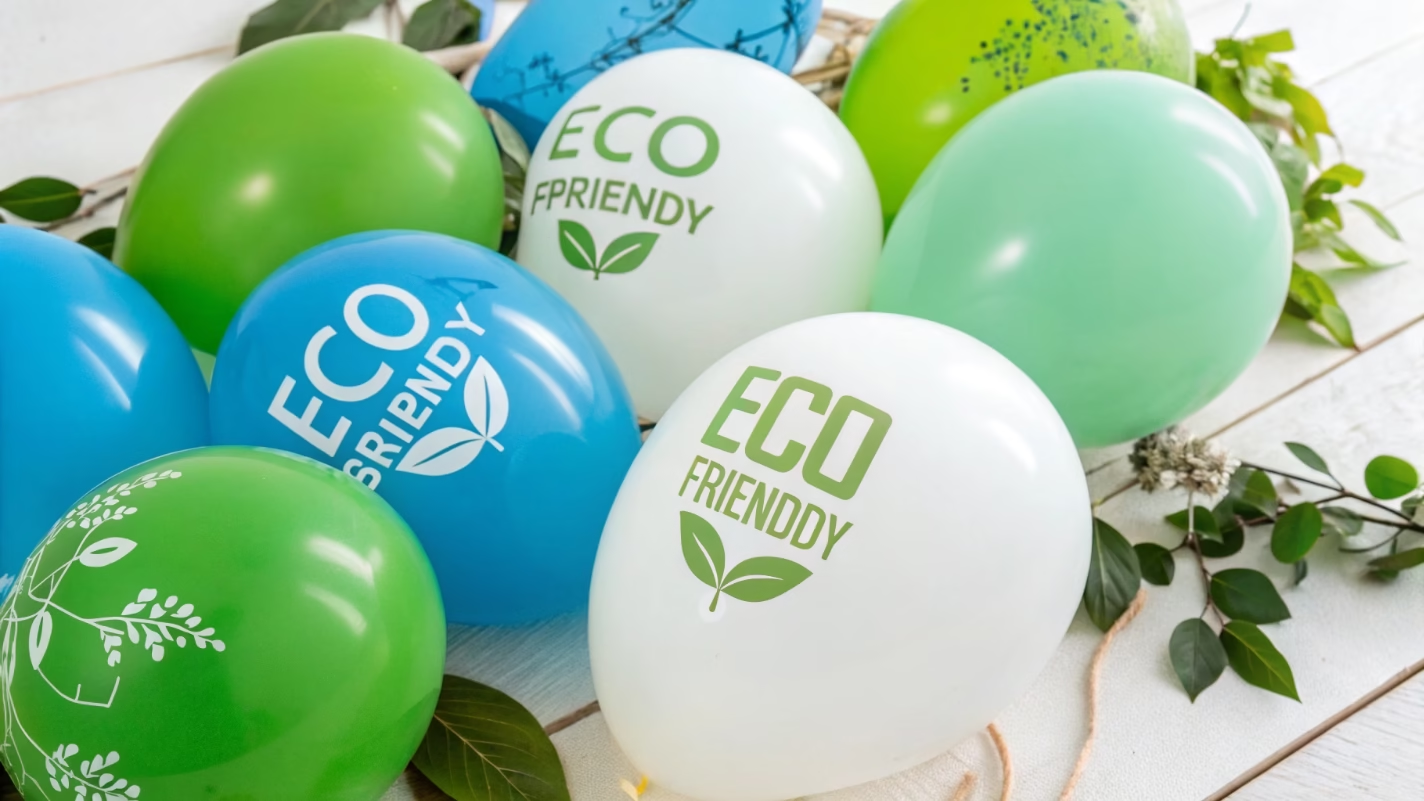
What are the best materials for eco-friendly balloons?
Short answer: there is no universally best eco-friendly balloon material
There is no universally best eco-friendly balloon material. A credible comparison must separate material identity, product formulation, sourcing evidence, manufacturing and packing, intended use, collection/disposal route and the exact environmental claim. AIHUA's confirmed active product scope on this page is natural-rubber latex balloons; references to foil, film or other materials are market context, not an AIHUA supply offer.
Use AIHUA's environmental-claim owner for the controlling limitations and this page as the evidence checklist.
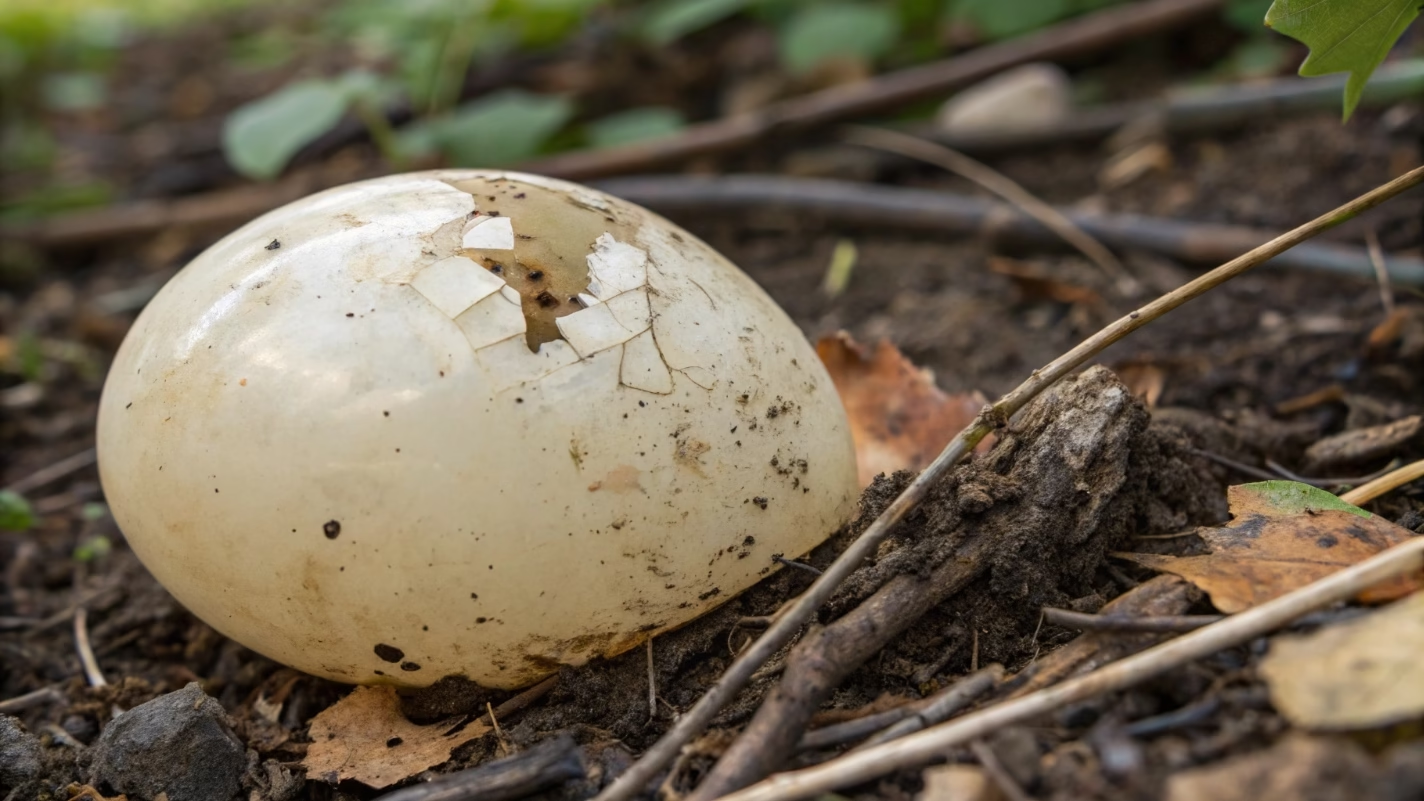
What does material identity prove—and not prove?
| Evidence | Can support | Cannot support alone |
|---|---|---|
| Material declaration | The named raw material or composition within its scope. | Biodegradability, compostability, litter safety or lower total impact. |
| Product test/report | The submitted sample, method, clauses, date and recorded result. | Every color, formula, batch, future order or environmental outcome. |
| Sourcing certificate | The certificate holder, site, product group and eligible claim within its rules. | Automatic transaction eligibility, degradation or product performance. |
| Photo or illustration | Visible context or an educational concept. | Chemical identity, sourcing, test result, disposal outcome or current order status. |
Why does natural origin need a limitation?
AIHUA's balloons use natural-rubber latex within the confirmed product scope. Natural origin does not prove a fixed degradation time, safe littering, home or industrial compostability, harmlessness to wildlife, lower emissions or a complete life-cycle advantage. Formulation, additives, thickness, environment, collection and disposal conditions can matter, and a public article is not a controlled degradation test.
Use the material owner to distinguish rubber-tree origin from the compounded finished balloon. Never release balloons as an environmental disposal method.
How should FSC and other documents be interpreted?
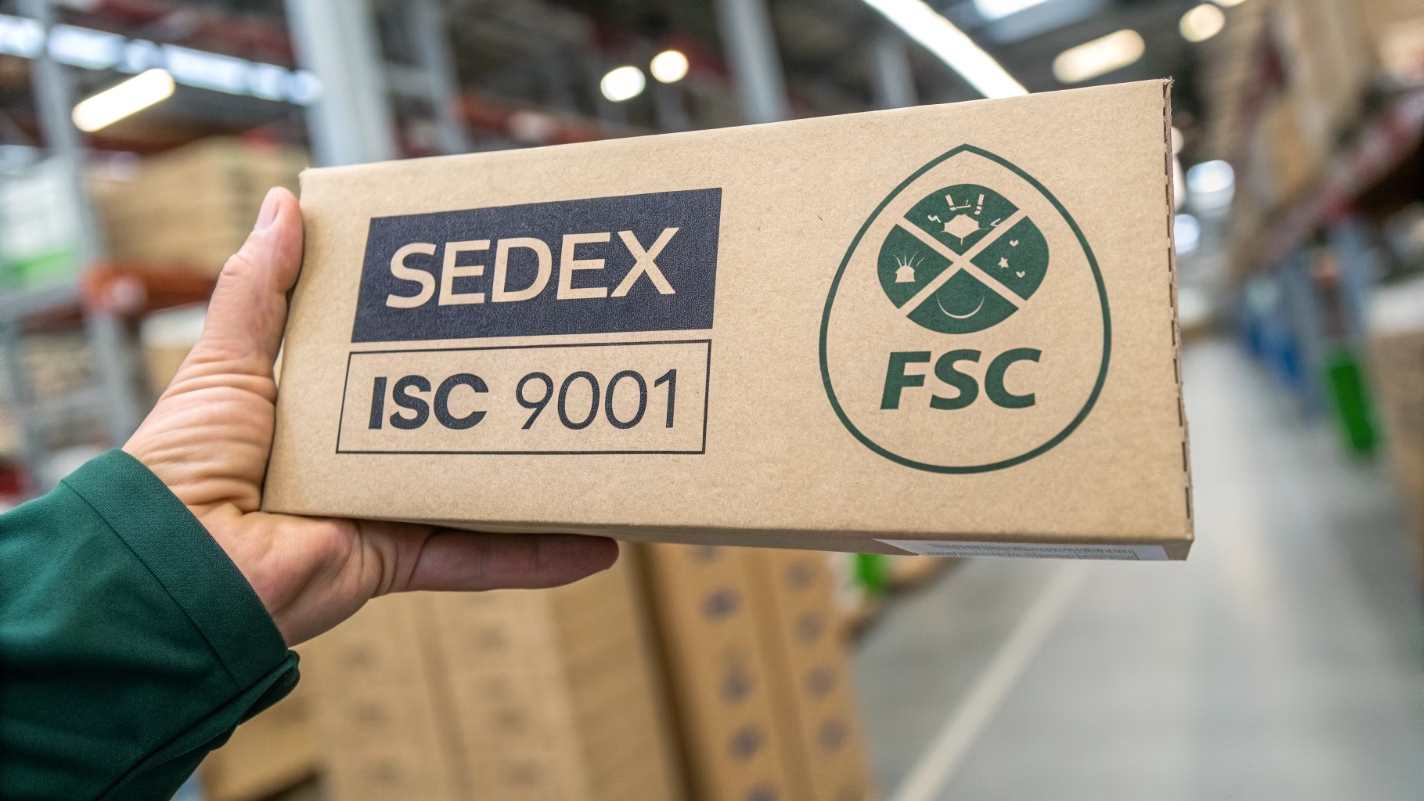
Natural rubber is sourced from rubber trees, so some buyers request FSC evidence for latex products even though FSC is commonly associated with paper and wood supply chains. FSC evidence must be read within its exact certificate and transaction scope. Check the holder, site, product group, validity, eligible supplier chain and whether the order carries the required transaction claim. A certificate image or company-level document alone does not prove that a particular balloon order may use an FSC claim.
Likewise, product-safety reports and social audits do not prove biodegradation. Use the certificate-scope guide to keep each document in its proper role.
How should price and procurement comparisons be made?
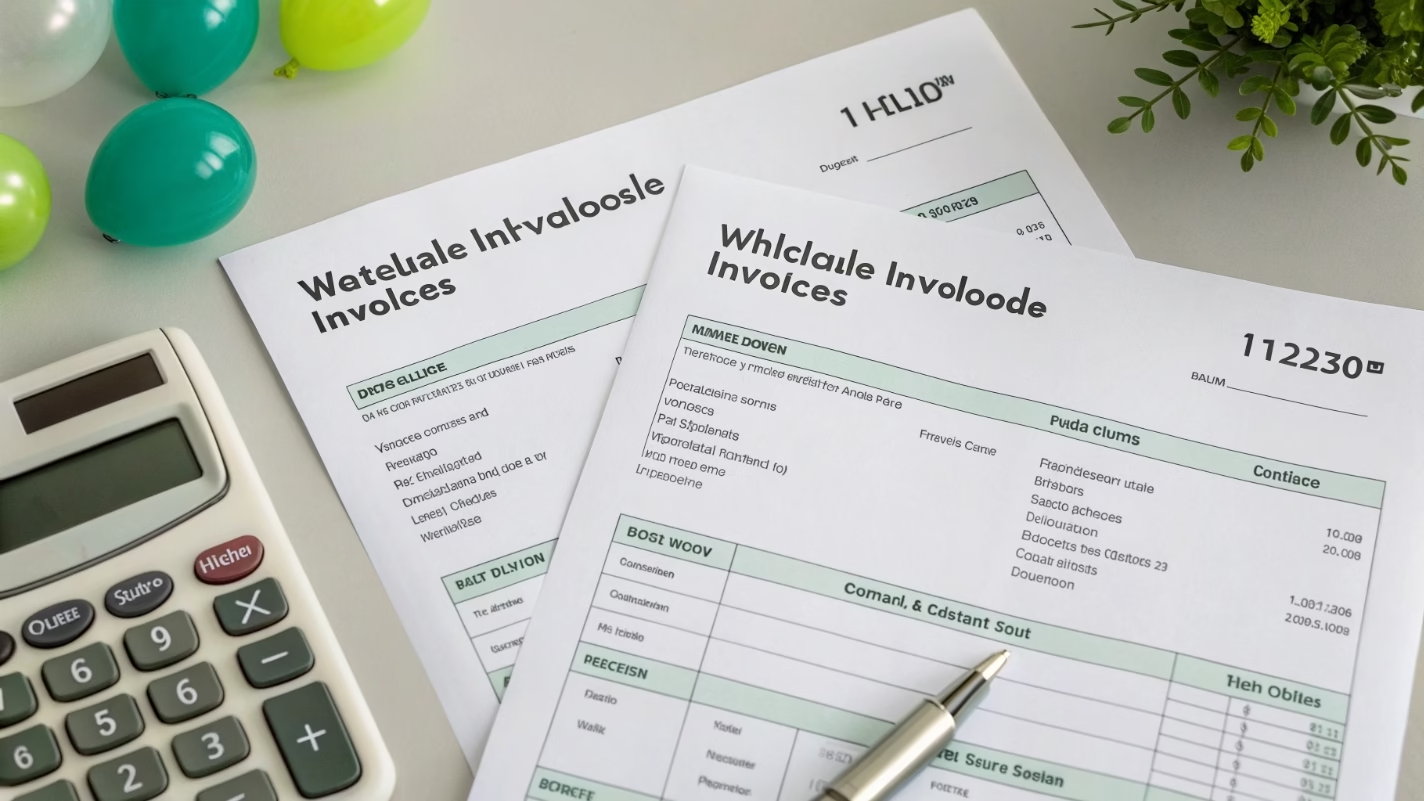
No fixed environmental price premium is published here. A percentage comparison is unreliable unless both quotations use the same balloon type, nominal size, piece weight, color/finish, print, packing, quantity, destination and evidence scope. Differences may come from product specification, setup, packaging, sourcing, inspection or logistics—not from one environmental label alone.
What should a buyer request before making an environmental claim?
- Write the exact proposed wording; avoid broad terms such as “100% eco-friendly.”
- Identify the exact product, formulation or submitted sample and order.
- Match the report/certificate holder, scope, method, date and limitation.
- Confirm sourcing or transaction evidence when the claim depends on a certified chain.
- Define collection, disposal and market-label requirements separately.
- Approve only wording that the current evidence actually supports.
What can AIHUA confirm before an order?
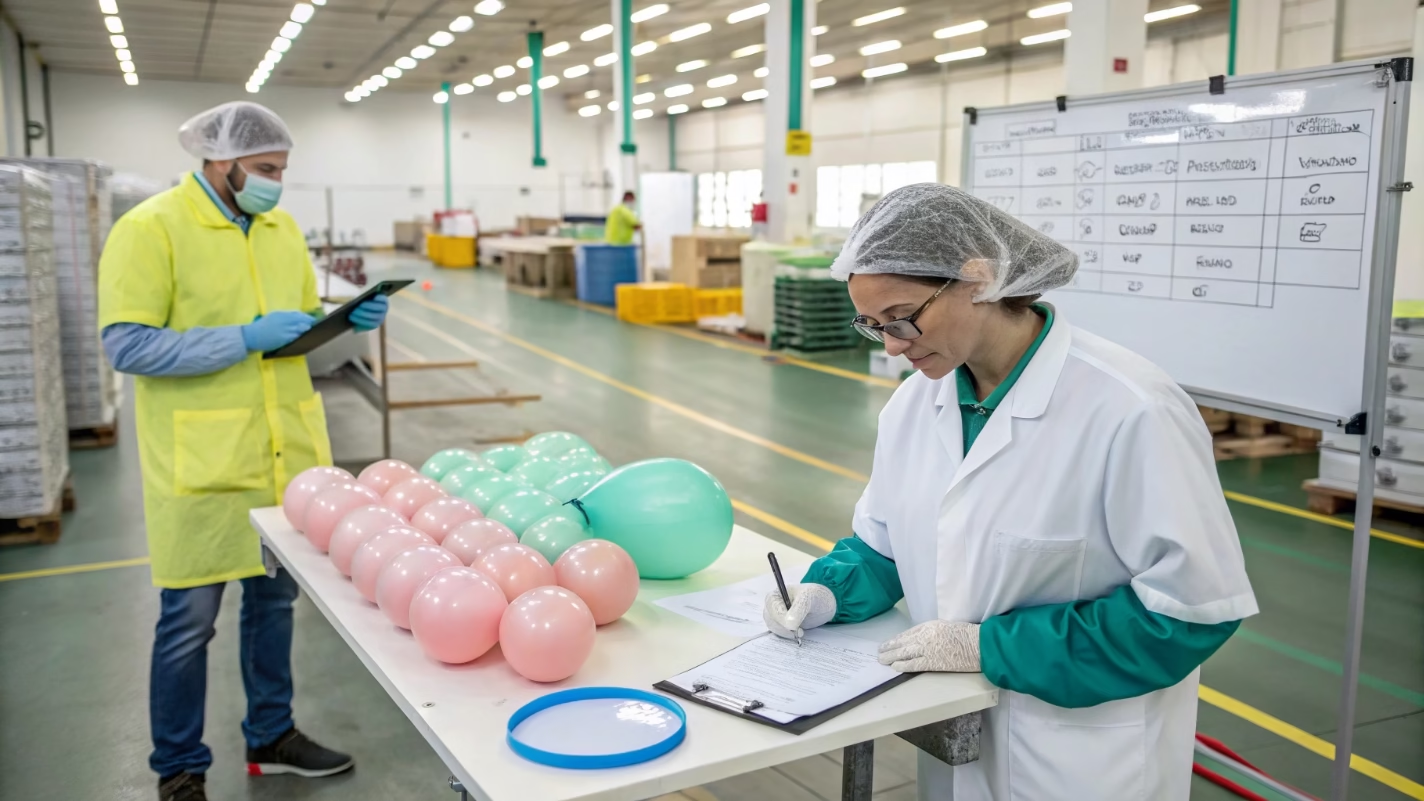
AIHUA can identify the active natural-rubber latex-balloon scope, review available order documents, separate material/source/product evidence, provide sample and packing inputs where available and flag claims that the evidence does not support. AIHUA does not use this page to claim foil, plastic or another non-latex range. Buyers should also apply the quality-evidence checklist and request a written decision through AIHUA Contact.
Buyer FAQ
Is natural rubber automatically eco-friendly?
No. Natural origin identifies a material source; it does not prove a fixed degradation time, compostability, litter safety, lower life-cycle impact or responsible sourcing for an order.
Does FSC prove a latex balloon is biodegradable?
No. FSC evidence must be read within its exact certificate and transaction scope. It does not replace product, degradation, disposal or life-cycle evidence.
Does AIHUA publish one eco price premium?
No fixed environmental price premium is published here. Compare current quotations for the same product, size, weight, packing, quantity and evidence scope.
What should an importer request?
Request material identity, product/formulation scope, report or certificate holder and date, submitted sample/method, sourcing or transaction evidence where relevant, packing, disposal instructions and exact wording approval.