
What are the best practices for insuring latex balloon shipments?
Worried about your bulk balloon order being lost or damaged in transit? This financial risk can disrupt your supply chain. I'll show you how to protect your investment.
To insure latex balloon shipments, choose comprehensive third-party insurance1 over basic carrier options. Always declare the full value2, document the pre-shipment condition with photos3, and use quality packaging4. Real-time tracking is also key to ensuring a secure and transparent delivery process for your valuable stock.
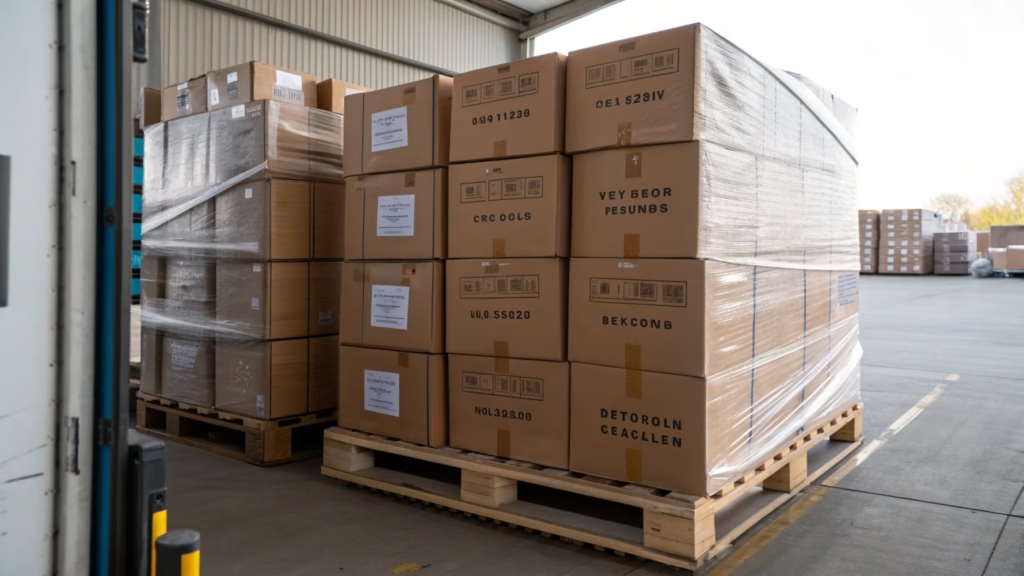
Securing your shipments goes beyond just buying a policy. It involves understanding the specific risks, valuations, and claim processes. As a manufacturer shipping globally for over 37 years, I've learned these lessons firsthand. I want to share them so you can avoid costly mistakes. Let's break down exactly what you need to know to protect your next order.
What risks does cargo insurance cover for bulk latex balloon orders?
Your balloon shipment faces many dangers on its long journey. From rough handling to natural disasters, the risks are real. Let me explain what a good policy should cover.
Cargo insurance for bulk latex balloons typically covers physical loss or damage from external causes5. This includes things like theft, damage from accidents during transit, fires, and water damage. It protects your financial investment from the moment the goods leave our warehouse until they arrive at your destination.
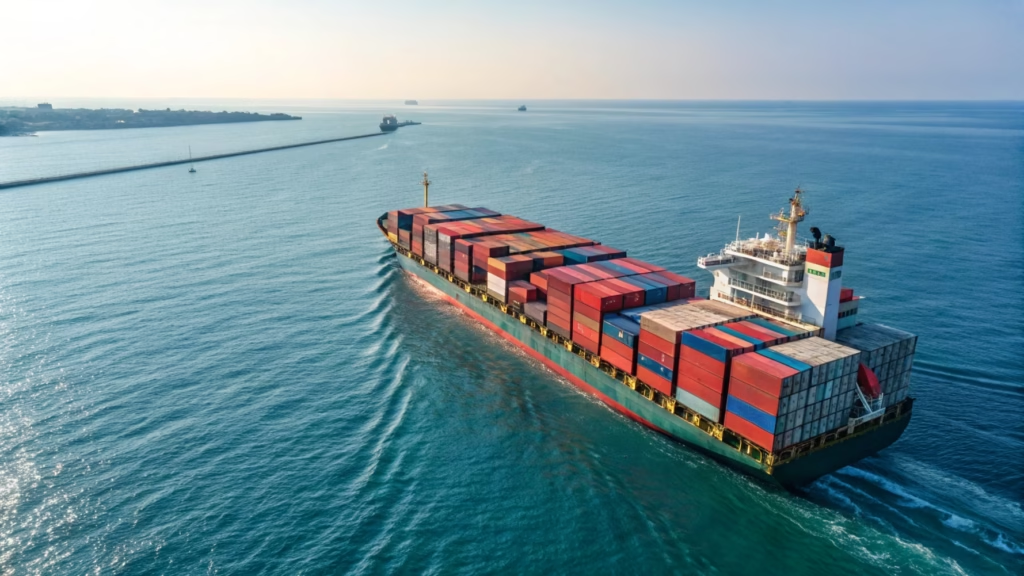
Understanding the scope of your coverage is crucial. Not all risks are created equal, and policies have specific inclusions and exclusions. When I work with procurement managers6, I always advise them to look closely at the fine print. A standard "All-Risk" cargo policy is generally the best option for comprehensive protection.
Common Perils Your Policy Should Cover
Your insurance should protect you from the most common events that can happen during international shipping7. This includes damage if a container is dropped during loading, if a transport truck is in an accident, or if the cargo is stolen from a port or warehouse. It also covers major events like a ship sinking or catching fire. These are the big, unpredictable events that can wipe out an entire order.
What is Often Excluded?
It's just as important to know what isn't covered. Standard policies often exclude losses due to improper packaging. That is why at AIHUA BALLOON, we invest in premium, sturdy packaging to eliminate this risk for you. Policies also typically won't cover natural degradation of the product, known as "inherent vice," or losses due to shipping delays that don't cause direct physical damage.
Here is a simple table to clarify:
| Covered Risks | Typically Not Covered |
|---|---|
| Theft and Piracy | Damage from your own poor packaging |
| Damage from dropping or rough handling | Spoilage due to normal transit time (no accident) |
| Fire, sinking, or other vessel accidents | Losses from shipment rejection by customs |
| Water damage from storms or container leaks | Delays that don't result in physical damage |
How is the insurance valuation determined for international balloon shipments?
Under-insuring your shipment can cost you big if disaster strikes. But how do you calculate the right value? It’s a common point of confusion I want to clear up.
The insurance valuation is based on the Commercial Invoice value8 of your balloons, which is the price you paid. You should then add the cost of freight and an extra 10% for other costs. This formula, known as "CIF + 10%", ensures you are fully compensated for a total loss.
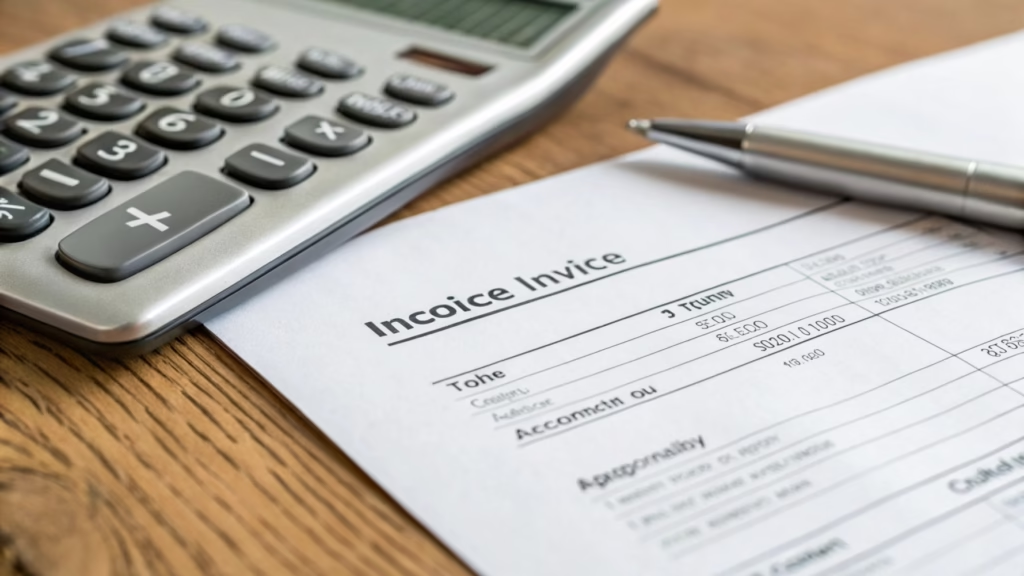
Getting the valuation right is the most critical step in buying insurance. If you declare a value that is too low, you will only receive a partial payout, even for a total loss. This can leave you significantly out of pocket. Let me walk you through the standard industry formula so you can do it correctly every time.
Breaking Down the Valuation Formula
The formula is simple: Cost + Insurance + Freight + 10%. Let’s look at each part.
- Cost (C): This is the value of the goods shown on the commercial invoice. It's the price you paid us, AIHUA BALLOON, for the order.
- Insurance (I): This refers to the premium you pay for the insurance coverage.
- Freight (F): This is the total cost of shipping the goods from our factory to your warehouse.
Why You Must Add 10%
That "plus 10%" is very important. It is intended to cover additional, unexpected expenses you might face if your shipment is lost or damaged. Think of it as a buffer. These costs could include survey fees to inspect the damage, administrative work to file the claim, or even potential lost profit while you wait for a replacement order. By insuring for CIF + 10%, you're making sure your business is made whole and doesn't suffer a hidden financial loss from the incident.
Are there specialized insurance policies for temperature-sensitive goods?
Extreme heat or cold can ruin a whole shipment of latex balloons. Standard insurance may not cover this damage. Let’s look at how you can protect against temperature-related losses.
Yes, there are specialized policies often called "Reefer Cargo" or "Temperature-Controlled Goods" insurance. These provide coverage against spoilage or damage caused by a failure of the temperature control equipment during transit. For high-value latex shipments, this is a wise investment.
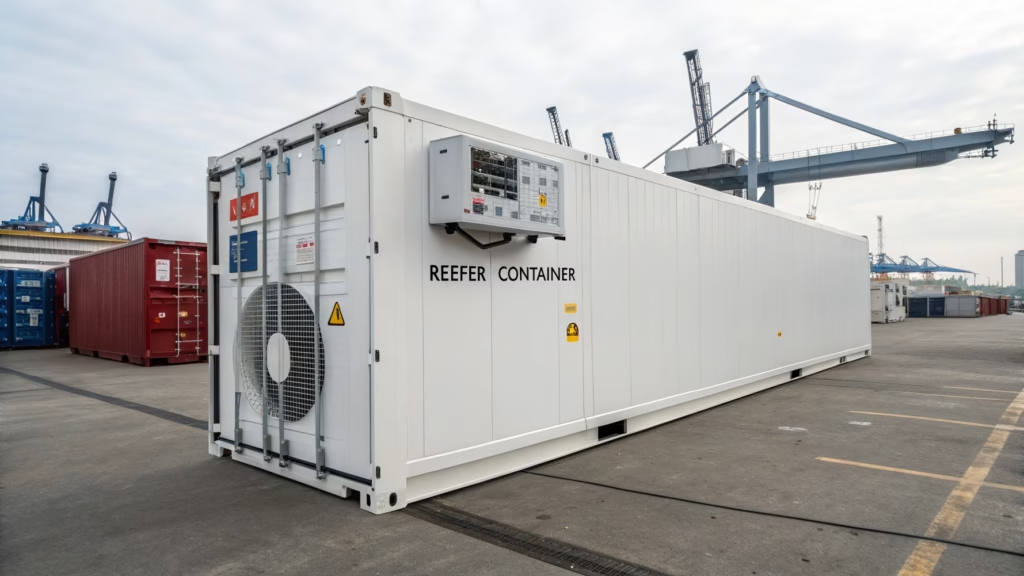
From my experience, I know that latex is more sensitive than many people realize. It's a natural product. Extreme temperatures during a long journey can compromise its quality, leading to customer complaints and financial losses. A standard insurance policy might not cover this type of damage because there was no external "event" like a fire or accident.
Why Latex Balloons are Vulnerable
High heat, like you might find in a container crossing the equator, can make latex balloons sticky and brittle. They can fuse together in the packaging or pop easily upon inflation. On the other hand, extreme cold can cause the latex to lose its elasticity, making the balloons difficult to inflate and prone to breaking. Either scenario results in a product you can't sell. When you order thousands of dollars worth of balloons, this is a risk you need to manage.
When to Consider This Coverage
I strongly recommend this specialized coverage for any shipment traveling through extreme climates. If your balloons are being shipped to the Middle East in the summer, or across North America in the winter, the risk is high. It is also a smart choice for our premium lines of balloons, where the value per case is higher. We once had a shipment to Australia where the refrigerated container's cooling unit failed for 48 hours. That specialized policy saved our client from a loss of over $50,000. It adds a small amount to the cost but provides invaluable peace of mind.
What documentation is needed to file a claim for damaged balloon stock?
You’ve discovered your shipment is damaged, a procurement manager’s nightmare. Now you have to file a claim. Having the right documents ready makes all the difference in getting paid quickly.
To file a claim, you will need the Commercial Invoice, Bill of Lading9, and a detailed packing list. Most importantly, you need clear proof of damage: photos of the damaged boxes and balloons, and the delivery receipt noted with the damage before you sign it.
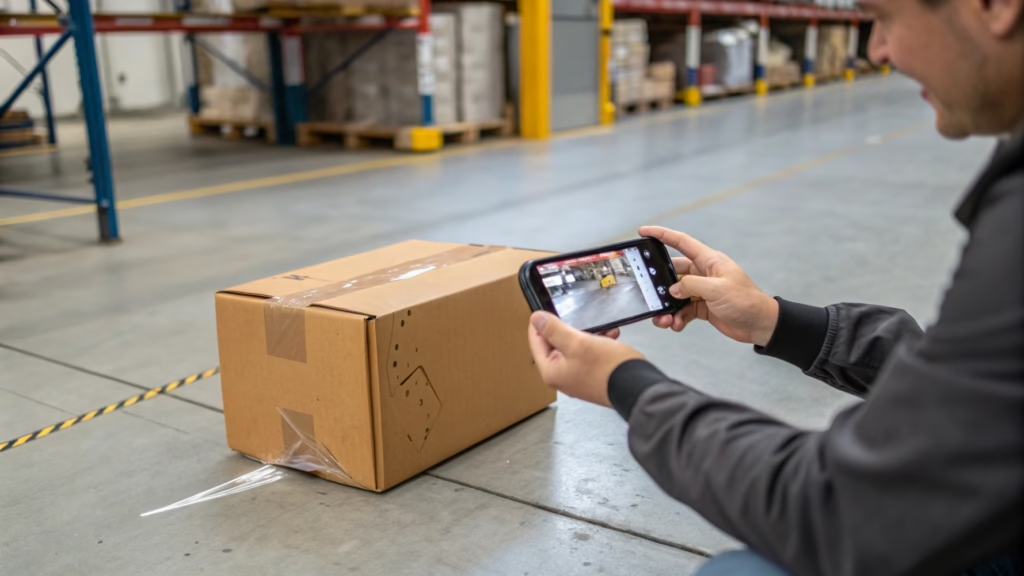
The moment you suspect damage is the most important time in the entire claims process. What you do in those first few minutes can determine whether your claim is approved or denied. Insurance companies require clear, indisputable proof that the damage occurred while the goods were in the carrier's possession. Your documentation is that proof.
The Power of Proof
When your shipment arrives, you must inspect it immediately. If you see any dents in the boxes, torn packaging, or water stains, note them down before you sign anything.
- Note Damage on the Delivery Receipt: This is the most vital step. On the document the driver asks you to sign (the Proof of Delivery10 or POD), write "Received Damaged, Subject to Inspection" next to your signature. If you sign without any notes, you are legally acknowledging that you received the goods in perfect condition. This makes a claim almost impossible to win.
- Take Detailed Photos: Use your phone to take pictures of everything. Start with the unopened container or pallet, showing how it arrived. Then, take photos of any damaged boxes. Finally, open those boxes and take clear photos of the damaged balloons inside. The more pictures, the better.
Your Essential Documents Checklist
Keep your shipping documents organized. When you file the claim, the insurance adjuster11 will ask for them immediately. You will need:
- The original Bill of Lading or Air Waybill.
- The Commercial Invoice showing the value of the goods.
- The Packing List detailing the contents.
- A copy of your Insurance Certificate12.
- Your photos and the signed delivery receipt with your damage notes.
Having this information ready will speed up your claim significantly.
Conclusion
Insuring your balloon shipments is a simple, proactive step. With the right policy, valuation, and documentation, you can protect your investment and ensure your business runs smoothly.
-
This resource explains why comprehensive coverage often provides better protection than basic carrier policies, highlighting crucial gaps that could leave your investment vulnerable. ↩
-
Learn how proper valuation ensures you receive adequate compensation in case of total loss, preventing significant financial shortfalls. ↩
-
Discover best practices for photographic evidence that strengthens your claim by proving goods were intact before transit. ↩
-
Explore packaging standards that prevent damage claims from being denied due to inadequate protection. ↩
-
Get detailed explanations of covered perils like theft, accidents, and natural disasters that threaten shipments. ↩
-
Discover specialized insights for procurement professionals managing supply chain risk and insurance. ↩
-
Explore comprehensive guides covering regulations, risks, and best practices for global cargo protection. ↩
-
Learn the proper way to calculate insured value based on actual purchase price and associated costs. ↩
-
Discover how this document serves as legal proof of shipment and contract terms for claims processing. ↩
-
Understand how this document serves as legal evidence of receipt condition and delivery acceptance. ↩
-
Get insights into the claim investigation process and documentation requirements from industry experts. ↩
-
Learn how this document proves coverage exists and provides essential policy details for claims. ↩