
What Is the Ideal Ambient Temperature for Inflating and Displaying Latex Balloons?
Have your beautiful balloon display1s ever failed unexpectedly? This can hurt your reputation and your bottom line. Controlling the ambient temperature2 is the simple secret to making them last.
The ideal temperature is a stable 68-72°F (20-22°C) in a climate-controlled indoor space. Keep balloons away from direct sunlight, heat sources, and drafts. This consistency protects the latex and ensures the longest possible float time3, preventing premature popping4 or deflation.

I've seen firsthand how a simple temperature change can ruin a massive balloon display. It's a lesson we learned early on at AIHUA BALLOON. Managing temperature is not just a suggestion; it's a critical part of professional balloon handling5. It protects your investment and ensures your decorations look flawless from start to finish. Let's explore why this matters so much.
How do extreme temperatures affect the integrity and burst rate of latex balloons?
You set up a beautiful outdoor balloon arch, but hours later, many have popped. This is frustrating and looks unprofessional. Let's look at how heat and cold directly cause this.
Extreme heat causes the gas inside latex balloons to expand rapidly, increasing pressure and leading to a higher burst rate. Extreme cold makes the latex brittle and causes the gas to contract, making balloons appear shrunken and more susceptible to popping when moved or warmed up again.
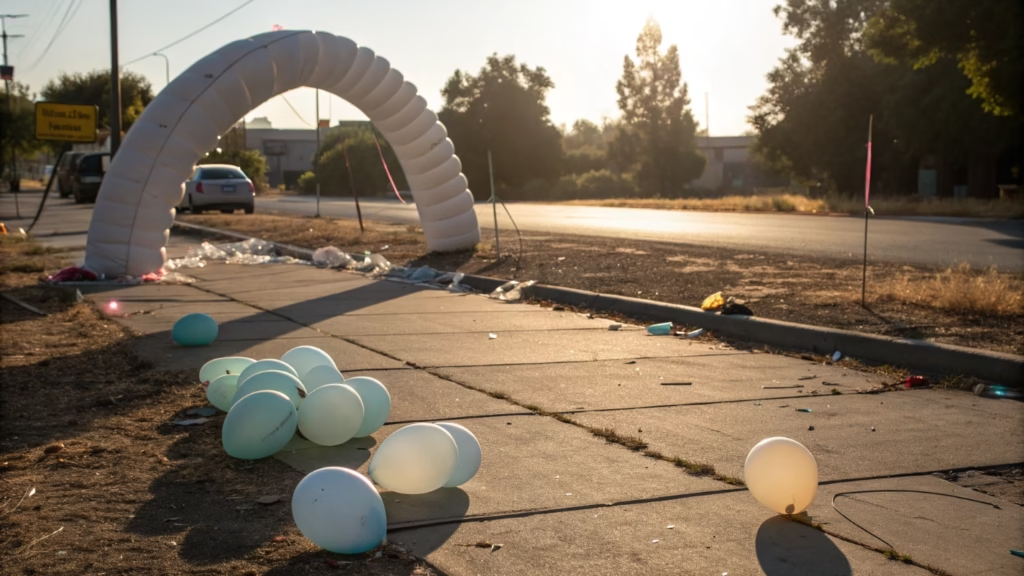
I want to break down the science in a simple way. Temperature affects both the latex material and the gas inside it, but in different ways. Understanding both is key to avoiding problems.
The Impact of Heat
High temperatures are a balloon's worst enemy. The latex itself softens and becomes more porous, allowing helium or air to escape faster. More importantly, the gas inside expands significantly. Think of it like a bottle of soda left in a hot car. The pressure builds until the container can't hold it anymore, and it bursts. This is why balloons in direct sunlight or hot rooms are so likely to pop. I remember a client who lost half their display because they placed it next to a large, sun-facing window. We now always advise on placement to avoid this costly mistake. Even dark-colored balloons are at higher risk because they absorb more heat.
The Danger of Cold
Cold temperatures have the opposite effect. The helium or air molecules slow down and get closer together. This causes the balloon to shrink and look deflated. While the balloon will often re-inflate when brought back to room temperature, the latex itself can become brittle in the cold. This makes it much more fragile. If a cold, brittle balloon is handled roughly or experiences a sudden temperature change, it can easily pop. This is a critical detail for winter events or when transporting balloons in cold weather. Always allow them to warm up to room temperature slowly before handling them extensively.
What are the best practices for storing bulk latex balloons to prevent temperature damage?
You open a new bag of balloons, but they are brittle or stuck together. This waste costs you time and money during a busy setup. Proper storage is the easy way to prevent this.
Store uninflated latex balloons in their original sealed packaging in a cool, dark, and dry place. The ideal temperature range6 is 60-70°F (15-21°C). Avoid attics, garages, or cars where temperatures can fluctuate dramatically, as this will degrade the latex over time.
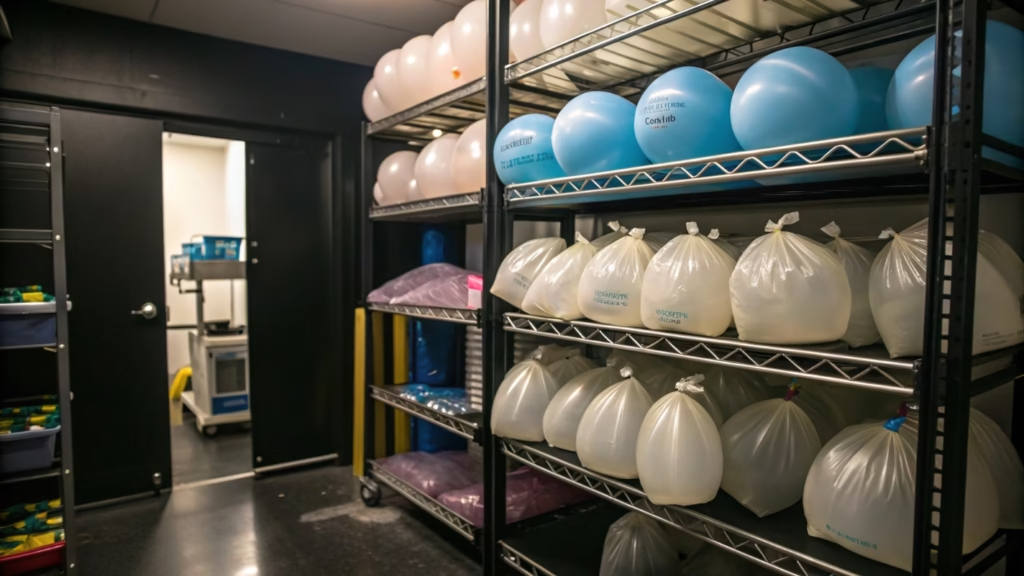
At AIHUA BALLOON, we handle millions of balloons, and our storage process is strict for a reason. Improper storage7 is the number one cause of premature product failure. It’s not just about temperature; other environmental factors play a huge role in preserving the quality of the latex.
Key Storage Conditions
Think of uninflated balloons like a sensitive pantry item. You wouldn't store good chocolate in a hot car, and the same logic applies here.
- Temperature: Consistency is crucial. A stable, cool room is perfect. Extreme heat will cause the latex to soften and stick together, while extreme cold8 can make it brittle and weak.
- Light: Keep them in the dark. UV light9 from the sun or even fluorescent lighting breaks down the latex material, causing it to lose its elasticity and color. This is why we ship our balloons in opaque bags.
- Humidity: Store them in a dry location. High humidity10 can make the balloons feel tacky and weaken the material, leading to failures during inflation.
Practical Storage Tips
To make it simple, here is a quick guide.
| Factor | Best Practice | Why It Matters |
|---|---|---|
| Location | A climate-controlled closet or storeroom. | Prevents exposure to extreme temperature swings. |
| Packaging | Keep in original, sealed bags until use. | Protects from light, air, and dust degradation. |
| Stacking | Avoid placing heavy objects on top of them. | Prevents balloons from being crushed or misshapen. |
| Rotation | Use the "First-In, First-Out" method. | Ensures you are always using the freshest stock. |
Following these simple rules will protect your inventory and ensure every balloon inflates perfectly, just as we intended.
Does ambient temperature significantly impact the float time of helium-filled latex balloons?
You inflate helium balloons for a multi-day event, but they are on the floor by morning. This can ruin the look of your setup. The reason is often the room's temperature.
Yes, ambient temperature2 has a major impact. In warmer temperatures, the latex becomes more porous and the helium particles move faster, causing them to escape more quickly. This drastically reduces float time. A cool, stable room temperature of 68-72°F (20-22°C) is best for maximum float time.
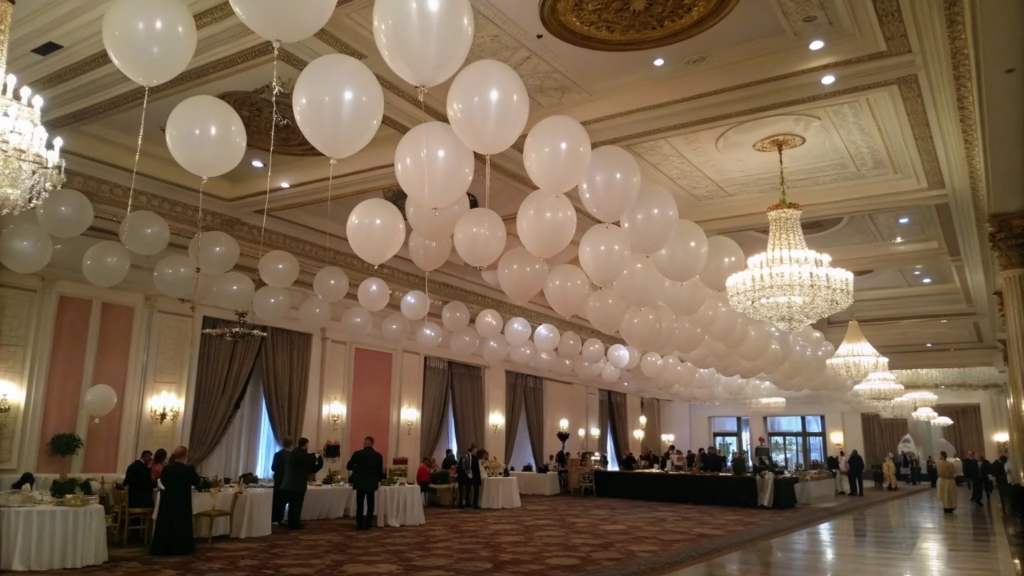
Many of our customers, especially procurement managers like Sarah, ask about maximizing float time to ensure their displays last through an entire event. The relationship between temperature and helium is a core principle we teach. Helium is a tiny molecule, and it's always looking for a way to escape through the porous latex. Temperature just changes how quickly it succeeds.
How Temperature Affects Helium Loss
Think of a latex balloon as a net made of microscopic holes.
- In Warm Temperatures: The heat gives the tiny helium molecules more energy. They vibrate and move around much faster. At the same time, the heat makes the "net" of the latex balloon stretch and the holes get slightly bigger. The combination of fast-moving helium and larger pores means the gas escapes at a much higher rate. A balloon that might float for 12 hours at 70°F might only float for 6-8 hours at 85°F.
- In Cool Temperatures: The opposite happens. The helium molecules have less energy and move slower. The latex pores contract slightly. This slows down the rate of helium loss11, helping the balloon float for a longer period. This is why keeping balloons in a cool, air-conditioned space is the best way to extend their life.
I always advise my clients to prepare balloons in the same environment where they will be displayed. Moving them from a cool prep room to a warm event hall can cause them to expand and lose helium faster, shortening their float time right when you need it most.
How does the temperature tolerance of latex compare to that of foil (mylar) balloons?
You need balloons for an outdoor event with fluctuating temperatures. You wonder if latex or foil is better. Knowing the difference is key to a successful setup and avoiding waste.
Foil (Mylar) balloons are more sensitive to immediate temperature changes but less permeable than latex. In heat, foil expands and can pop. In cold, it shrinks and looks deflated but will reinflate in warmth. Latex is more tolerant of gradual changes but degrades faster in sustained heat.
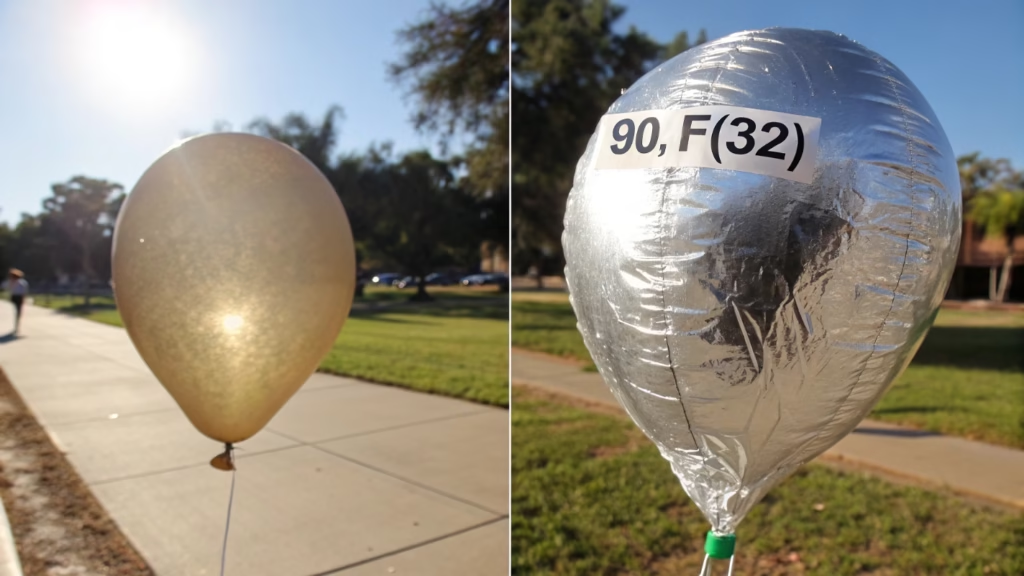
As a manufacturer, we work with both materials, and they behave very differently. I explain it to my clients like this: latex "breathes," while foil "contains." This simple difference dictates how they react to temperature and helps you choose the right product for the job.
Material Differences Under Pressure
The core difference is in their structure.
- Latex Balloons: Made from natural rubber, latex is a porous material. It can stretch and is somewhat flexible. This allows it to handle some gas expansion from heat without immediately popping. However, sustained heat and UV light will break down the latex itself, causing it to become brittle and oxidize, which looks like a cloudy or matte finish.
- Foil (Mylar) Balloons: Foil balloons are made from a sheet of nylon coated with metal, usually aluminum. This material is non-porous and has no stretch. Because it doesn't breathe, it contains helium much longer than latex. However, this also means it has no give when the gas inside expands in the heat, making it more likely to pop along its seams. In the cold, the gas contracts, and the non-stretchy material wrinkles and looks very deflated.
Which Balloon for Which Environment?
Here’s a simple table to help you decide.
| Condition | Latex Performance | Foil (Mylar) Performance | Recommendation |
|---|---|---|---|
| Hot, Direct Sun | Oxidizes quickly, higher pop risk. | Expands fast, very high pop risk. | Avoid using either in direct sun if possible. |
| Warm Indoor Room | Good performance, reduced float time. | Excellent performance. | Foil for longevity; latex for volume/cost. |
| Cool/Cold Outdoors | Becomes brittle, may shrink slightly. | Shrinks and looks very deflated. | Both are risky. Use latex with care; foil will look bad. |
| Moving (Cold to Hot) | Can expand and pop if fully inflated. | Will re-inflate perfectly. | Underinflate latex slightly. Foil handles this well. |
Ultimately, for stable indoor events, both are great. For challenging environments with temperature swings, understanding these differences helps you set client expectations and prevent display failures.
Conclusion
The ideal temperature for balloons is a stable room temperature. Managing heat and cold is the key to protecting your inventory, preventing pops, and ensuring every display looks perfect.
-
Explore tips to enhance the longevity of your balloon displays for successful events. ↩
-
Understanding ambient temperature is crucial for maintaining balloon integrity and ensuring they last throughout events. ↩ ↩
-
Float time is essential for event planning; learn how to maximize it for stunning displays. ↩
-
Identifying causes of popping can help you prevent display failures and maintain quality. ↩
-
Proper handling techniques can significantly improve the quality and longevity of your balloons. ↩
-
Knowing the ideal temperature range is essential for preserving balloon quality. ↩
-
Proper storage techniques can save you time and money by preventing balloon damage. ↩
-
Learn how cold temperatures can affect balloon integrity and how to mitigate risks. ↩
-
Learn about the damaging effects of UV light on balloons to protect your investment. ↩
-
Humidity can weaken balloons; discover how to store them properly to avoid issues. ↩
-
Understanding helium loss can help you plan better for events and maximize balloon longevity. ↩