
What is the ideal storage environment for maintaining latex balloon quality?
Losing money on brittle or sticky balloons1? This wasted inventory hurts profits and your reputation. Proper storage is the simple solution to protect your investment and keep balloons in perfect condition.
The best environment for latex balloons is a cool, dark, and dry area. Keep temperatures between 18–24°C (65–75°F) and humidity2 below 70%. Store them in airtight, opaque containers to protect them from light, air, and moisture, preserving their elasticity and vibrant color.
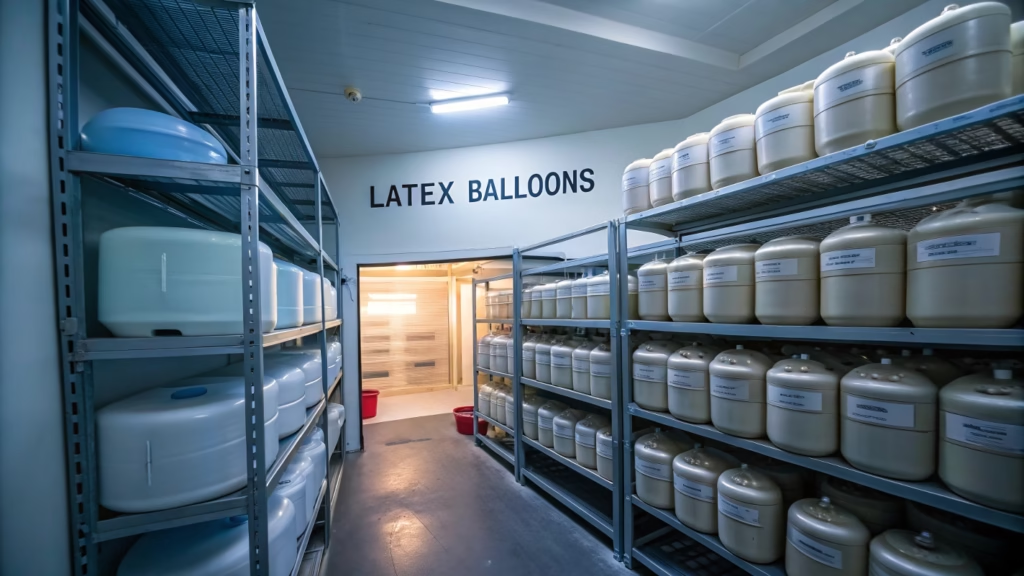
Getting the environment right is the first step. But as a procurement manager, I know you understand that the details matter. The quality of your inventory depends on more than just putting balloons in a box. Let's explore exactly how these factors work together to impact the shelf life3 of your bulk orders4 and protect your bottom line.
How does storage affect the shelf life of bulk latex balloons?
Do you worry that balloons ordered in bulk will degrade before you can sell them? This uncertainty makes managing inventory and profit margins a real challenge. Correct storage practices can solve this.
Proper storage directly extends the shelf life of bulk latex balloons, often up to several years. By controlling the environment, you slow down the natural aging process of latex. This protects your investment, ensures product quality for customers, and makes inventory planning much more reliable and efficient.
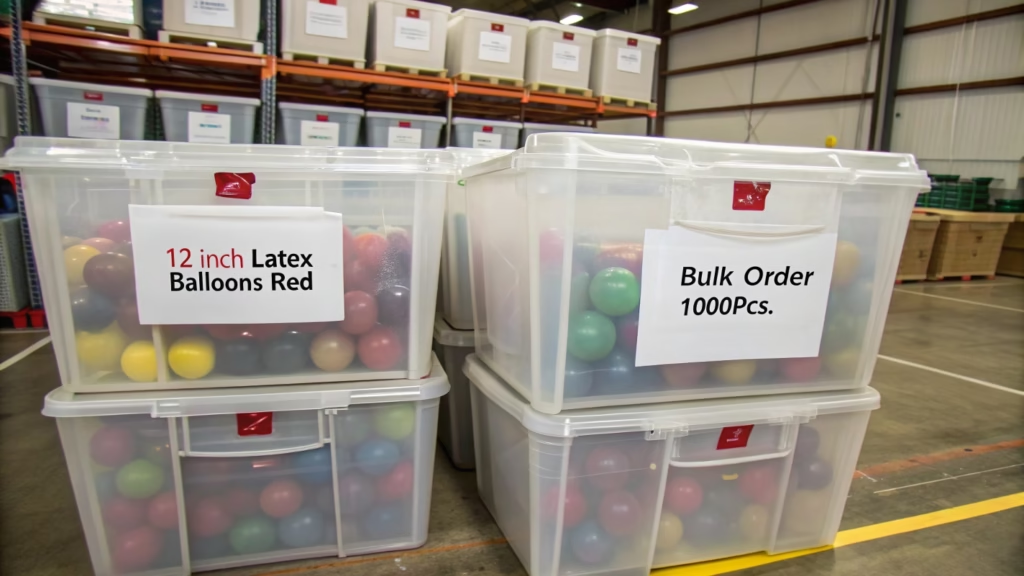
In my experience, storage is not just about extending life; it's about preserving the balloon's performance. A well-stored balloon inflates evenly, holds air longer, and maintains its vibrant color. One of our partners, a large retail chain, used to face significant losses from degraded stock. We worked with them to improve their storage, and it made a huge difference. They implemented a simple first-in, first-out (FIFO)5 system and started rotating their stock every few months. This small change prevented balloons at the bottom of bins from getting compacted and sticking together. By keeping their storage room at a consistent temperature and using sealed containers, they cut their spoilage rate by over 70%. Proper storage doesn't just save balloons; it saves money and builds a reputation for quality.
What are the effects of heat and UV light on latex balloon integrity?
Ever had a batch of balloons become sticky and unusable in the summer? Heat and sunlight are silent killers of balloon quality, turning your valuable inventory into a melted, faded mess.
Heat and UV light are the biggest enemies of latex balloons. Heat causes the latex to soften and become sticky, leading to weak spots and easy tearing. UV light, from the sun or even fluorescent bulbs, breaks down the latex, making it brittle and causing colors to fade quickly.
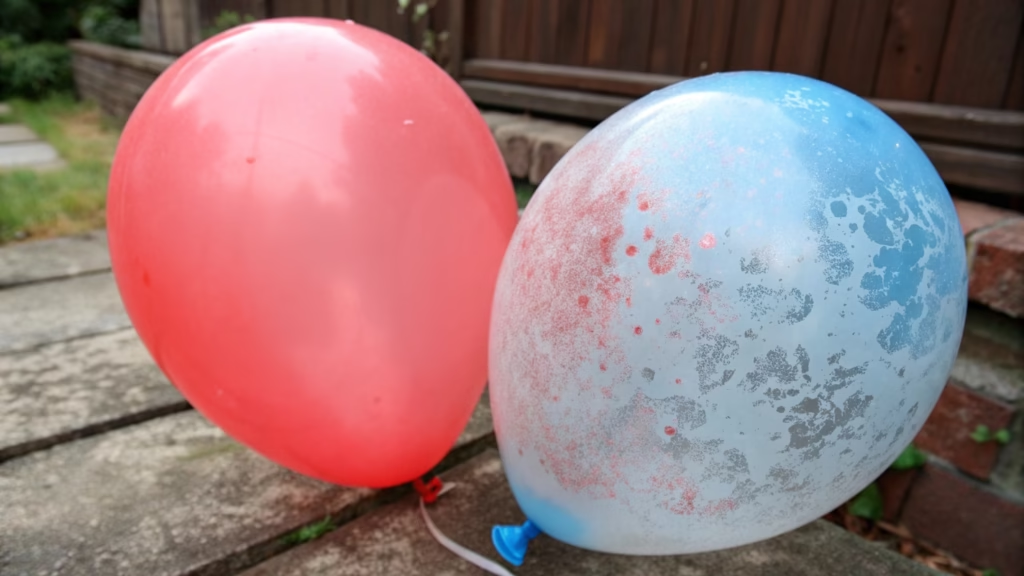
I've seen firsthand how damaging these elements can be. I once visited a warehouse where balloons were stored near a large, south-facing window. The packages closest to the light were a total loss. The colors were washed out, and the latex was so brittle that the balloons crumbled when touched. This is why we always stress the importance of a dark storage area. A simple test you can do is to leave one balloon on a sunny windowsill for a week and keep another in a dark drawer. The difference will be obvious. Heat is just as bad. Storing balloons in a hot vehicle or garage can ruin them in a single afternoon. The ideal temperature range is critical for maintaining that perfect elasticity everyone expects from a quality balloon.
| Factor | Effect on Latex Balloons | Ideal Condition |
|---|---|---|
| High Heat | Softens latex, makes it sticky, causes weak spots. | 18–24°C (65–75°F) |
| UV Light | Breaks down latex, makes it brittle, fades colors. | Store in complete darkness. |
| Fluctuating Temps | Causes repeated expansion and contraction, stressing the material. | Maintain a consistent temperature. |
How does humidity and packaging impact latex balloon longevity?
Have you opened a new bag of balloons only to find them stuck together? This is often due to humidity and poor packaging, which can ruin an entire batch before it's ever used.
High humidity causes latex balloons to stick together, making them difficult to separate and prone to tearing. On the other hand, very low humidity can make them brittle. The right packaging, like airtight bags or containers, protects balloons from both moisture and damaging oxygen exposure.
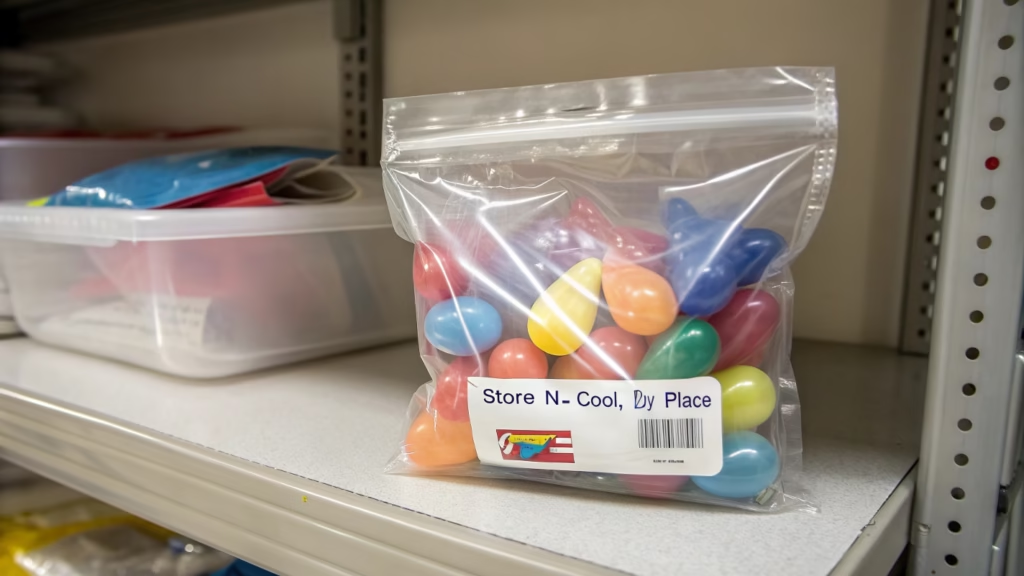
Proper packaging is a non-negotiable part of our quality control at AIHUA BALLOON. We ensure our balloons are sealed to protect them from the elements during shipping and storage. For bulk buyers, I always recommend keeping them in their original sealed bags until use. If you have to open a bag, transfer the remaining balloons to a new airtight container, like a zip-top bag or a plastic bin with a secure lid. For extra protection in humid climates, I tell our partners to add a silica gel packet6 to their storage bins. It's a small, cheap step that absorbs excess moisture and prevents that frustrating stickiness. This simple practice ensures that every balloon, from the first to the last, performs exactly as it should, protecting the product's integrity and your reputation.
How can you identify signs of improper storage or degradation in latex balloons?
Are you confident you can spot a bad balloon before it disappoints a customer? Identifying subtle signs of degradation7 early helps you manage inventory quality and avoid potential issues before they happen.
You can identify degraded balloons by looking for changes in color, texture, and elasticity. Signs include faded or blotchy colors, a sticky or oily feel, and brittleness. A degraded balloon may also have a strong, unpleasant chemical smell or tear easily when stretched.
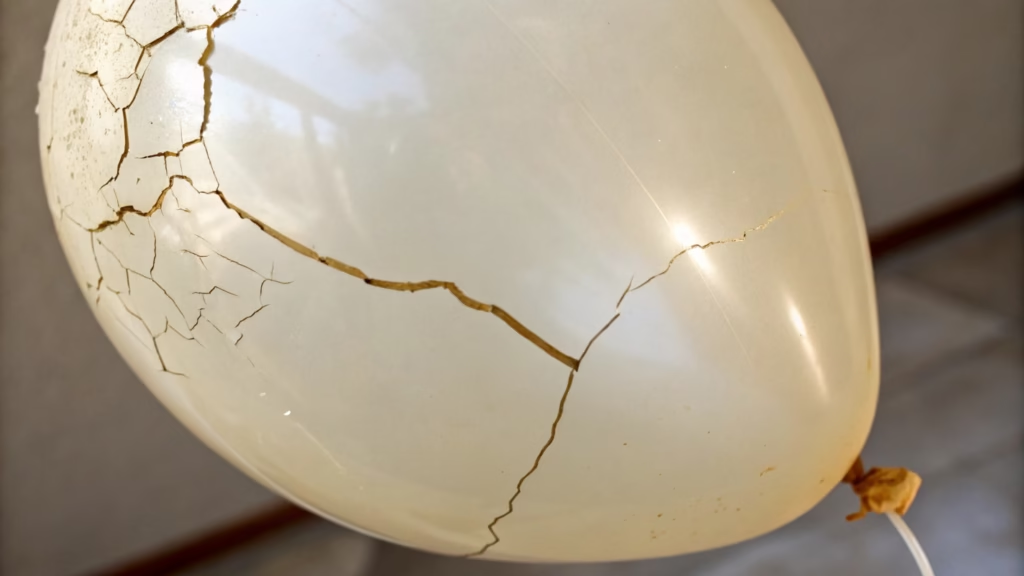
As a procurement manager, your eyes are your best tool. At our factory, we train our quality control team to spot these issues immediately. You can do the same. First, look at the color. Is it uniform and bright, or does it look washed out and uneven? Next, feel the balloon. A good balloon should feel smooth and dry. If it feels oily, sticky, or tacky, the latex is breaking down. Finally, do a stretch test. Gently stretch a balloon. It should feel elastic and strong. If it feels stiff, resists stretching, or tears with little effort, it’s a clear sign of degradation. Catching these signs allows you to rotate out old stock and ensure you are only providing the best quality to your customers, which is the foundation of a successful business.
| Sign of Degradation | What to Look For | What it Means |
|---|---|---|
| Color Change | Fading, blotchiness, or discoloration. | UV or chemical damage. |
| Texture Change | Sticky, oily, or tacky surface. | Latex is breaking down from heat or humidity. |
| Loss of Elasticity | Becomes brittle, stiff, or tears easily when stretched. | The latex structure is compromised from age or UV exposure. |
Conclusion
Properly storing latex balloons in a cool, dark, dry, and airtight environment is the key to preserving their quality, extending shelf life, and protecting your investment from waste.
-
Learn about the factors that lead to sticky balloons and how to avoid them. ↩
-
Explore how humidity impacts balloon quality and what you can do to mitigate its effects. ↩
-
Understanding shelf life can help you manage inventory better and reduce losses. ↩
-
This link provides insights on maintaining quality for bulk balloon orders. ↩
-
Understand how the FIFO method can help you manage balloon stock effectively. ↩
-
Discover how silica gel packets can absorb moisture and protect your balloons. ↩
-
Learn how to spot signs of degradation to maintain high-quality inventory. ↩