Patent-Safe Water Balloon Sourcing: Why Serious Retail Buyers Should Avoid Counterfeit Bunch Designs
Some water balloon buyers ask only one question: can the factory copy a popular product and make it cheaper? Serious retail buyers should ask a different question: can this supplier help us build a profitable order without intellectual-property, safety, packaging or retail-channel risk?
Patent-safe water balloon sourcing means choosing standard or properly reviewed private-label products, documenting specifications and certificates, and refusing counterfeit or patent-infringing bunch-style designs. AIHUA does not produce infringing ZURU-style water balloon bunch products, even when buyers request them for higher margin.
Buyer Summary: This proof page explains AIHUA's patent-aware sourcing boundary for water balloon buyers. It supports standard 3 inch water balloons, private-label packaging review, certificate checks, QC evidence and clear refusal of protected copycat bunch designs.
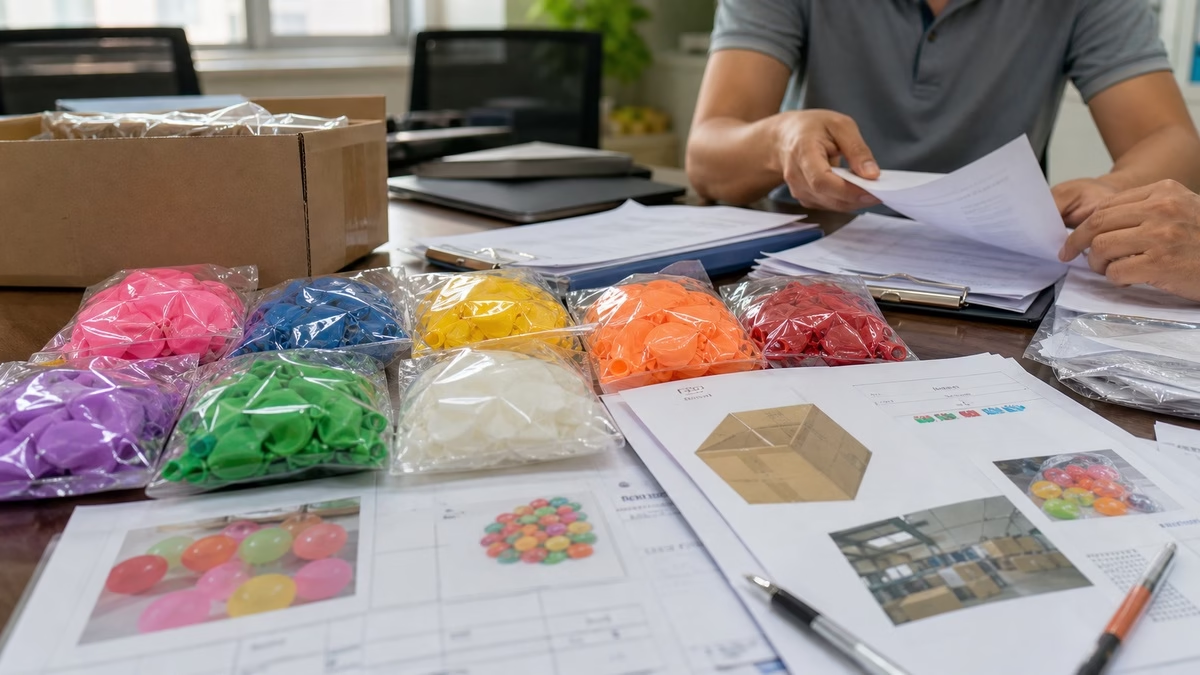
This page supports the water balloons wholesale buyer guide, the balloon supplier evaluation guide and the water balloon export packaging guide.
What does patent-safe water balloon sourcing mean?
Patent-safe sourcing means the buyer and supplier define the product boundary before quotation: standard product, reviewed private-label work, or refused protected-copy request.
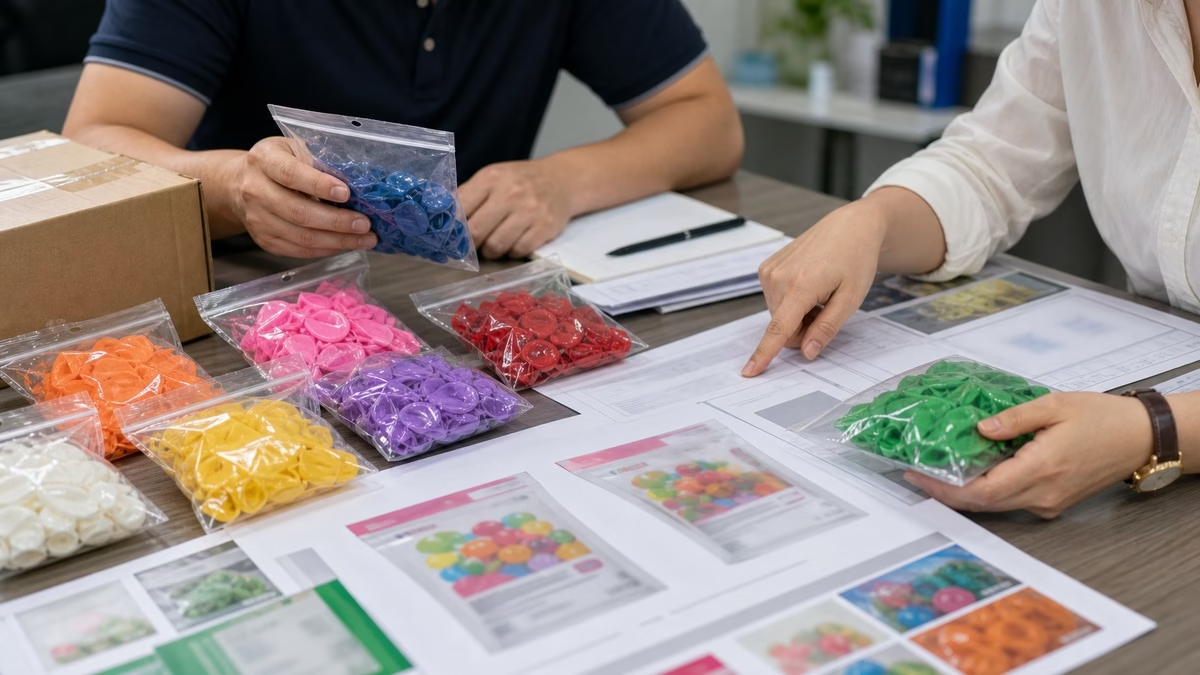
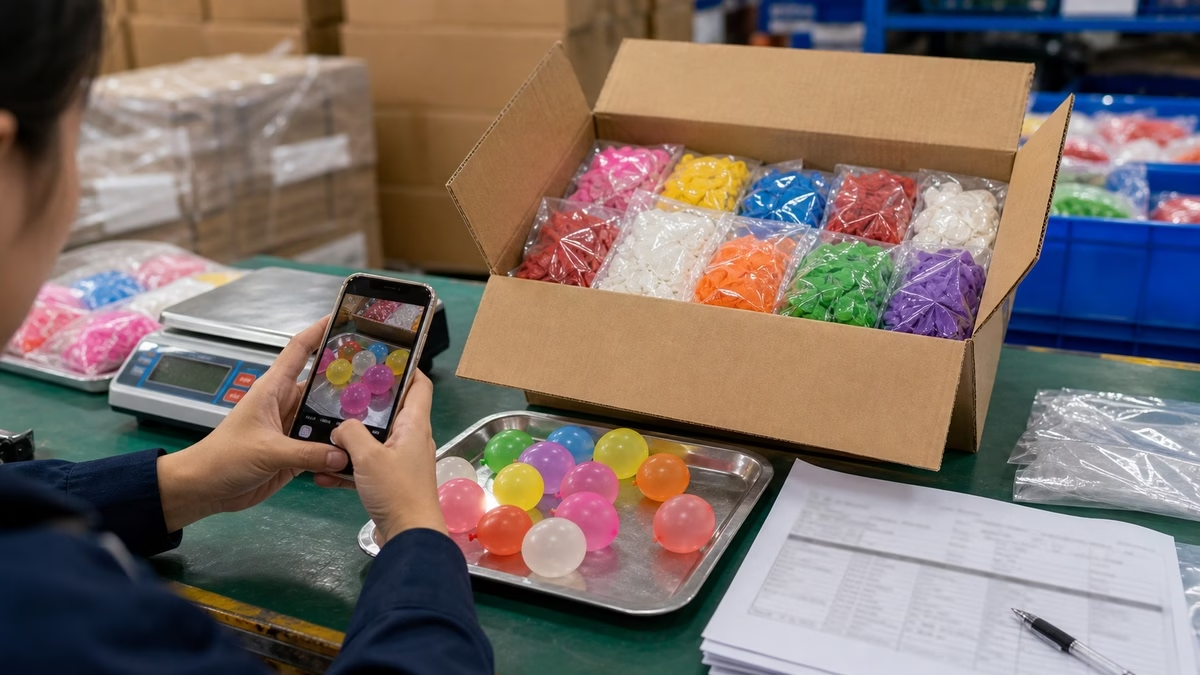
For AIHUA, a compliant standard water balloon order can use a 3 inch size, 0.23 g to 0.24 g per piece, eight regular colors, 500 pcs per bag, and export carton data agreed before shipment. Private-label work can be reviewed through artwork, warning text and packaging requirements. A request to copy a protected bunch-style mechanism or branded retail pack should be refused.
| Buyer Request | Supplier Response | Reason |
|---|---|---|
| Standard 3 inch water balloons | Quote with specs, MOQ, packing and QC evidence. | Clear product boundary and repeatable production. |
| Private-label bag or carton | Review artwork, warning text and destination-market needs. | Packaging can create compliance and listing risk. |
| Copy protected bunch design | Refuse. | IP risk can outweigh any short-term margin. |
What should be in the buyer compliance file?
The compliance file should connect the order specification, certificate scope, artwork review, warning text, patent-safe boundary, QC process and pre-shipment evidence.
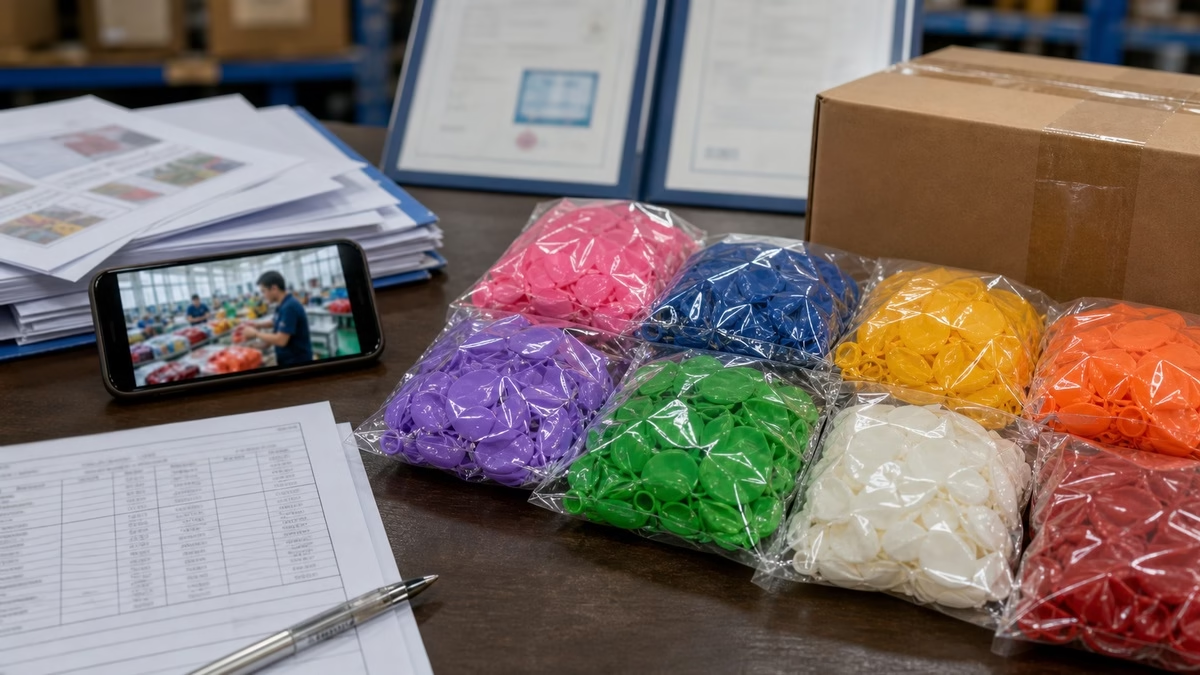
Water balloons are small, but they are not a casual product when sold through retail, toy, supermarket or online channels. Buyers should request certificate names only when they are relevant to the destination market and product category. For AIHUA, available certificate assets include EN71, ASTM, ISO, SEDEX and FSC, but each order should still verify the actual scope before using claims publicly.
Which sourcing red flags should serious buyers avoid?
Buyers should avoid suppliers who promise to copy any design, provide vague certificates, ignore warning text, skip batch QC, or discuss only price without product boundary and retail risk.
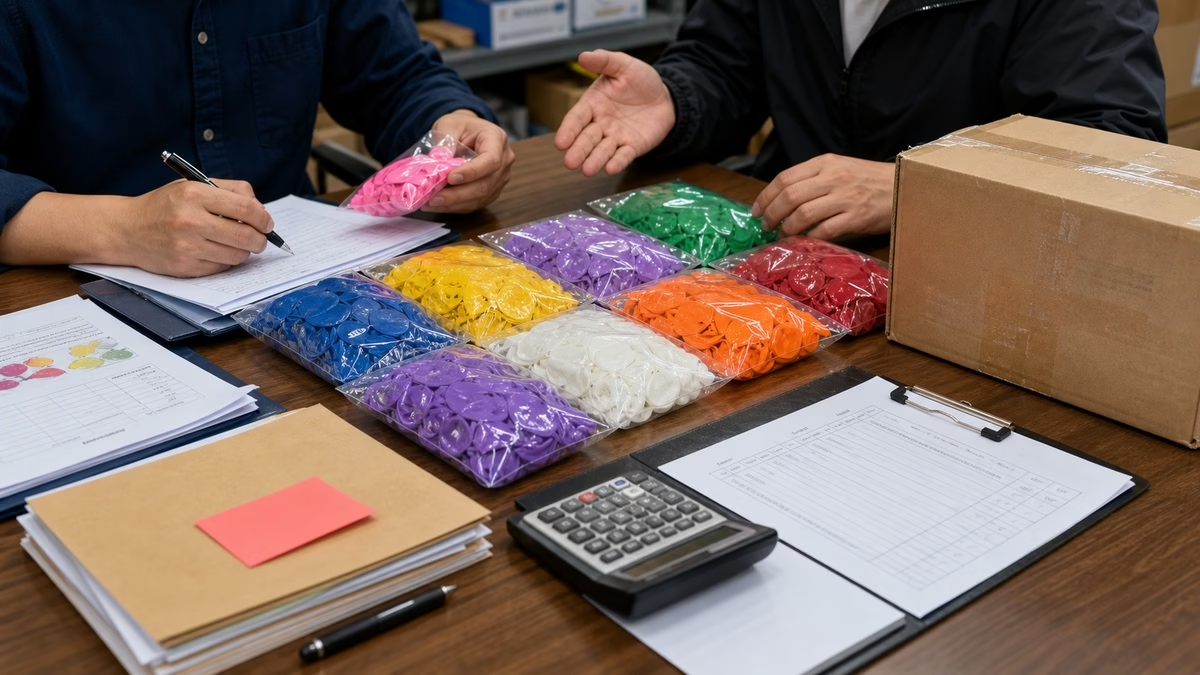
A supplier who refuses infringing work may look less flexible at first, but that refusal is a long-term trust signal. The buyer avoids the risk of building a seasonal promotion around a product that later becomes blocked, disputed or difficult to list.
How does AIHUA handle compliant water balloon orders?
AIHUA focuses on standard water balloon specifications, stable quality, strict batch QC, export packing control and private-label review instead of copying protected bunch products.
Evidence Table
| Claim | Evidence | How Buyer Verifies |
|---|---|---|
| Standard product is clear. | 3 inch, 0.23-0.24 g/pc, eight colors. | Check sample, pack label and specification sheet. |
| Batch QC is required. | Every-batch QC and full-batch rejection for serious defects. | Request fill-test video and QC evidence. |
| Protected copies are refused. | AIHUA sourcing boundary. | Confirm product design before deposit. |
| References buyers can use for due diligence |
|---|
| WIPO explains how patents protect technical inventions in different jurisdictions. WIPO patent overview. |
| USPTO patent basics help buyers understand why protected inventions should not be copied casually. USPTO patent basics. |
| CPSC toy safety guidance is useful for U.S.-bound toy and children-related products. CPSC toy safety. |
| WIPO trademark resources help buyers understand brand and mark protection risks. WIPO trademark overview. |
Buyer FAQ
Can AIHUA make private-label water balloons?
Yes, private-label packaging can be reviewed when the product structure, artwork, warning text and destination-market needs are clear.
Can buyers ask AIHUA to copy popular bunch-style water balloon products?
No. AIHUA refuses counterfeit or patent-infringing bunch-style product requests.
What should buyers send before quotation?
Send target specification, pack count, color mix, destination market, artwork needs, certificate requirements, carton plan and any compliance restrictions.
Conclusion
Patent-safe sourcing is not a legal formality; it is a buyer-protection system. Serious water balloon buyers should build orders around clear product specs, QC evidence, certificate scope, packaging review and a supplier willing to refuse protected-copy requests.