How Should Buyers Approve Logo Balloon Printing Artwork Before Wholesale Production?
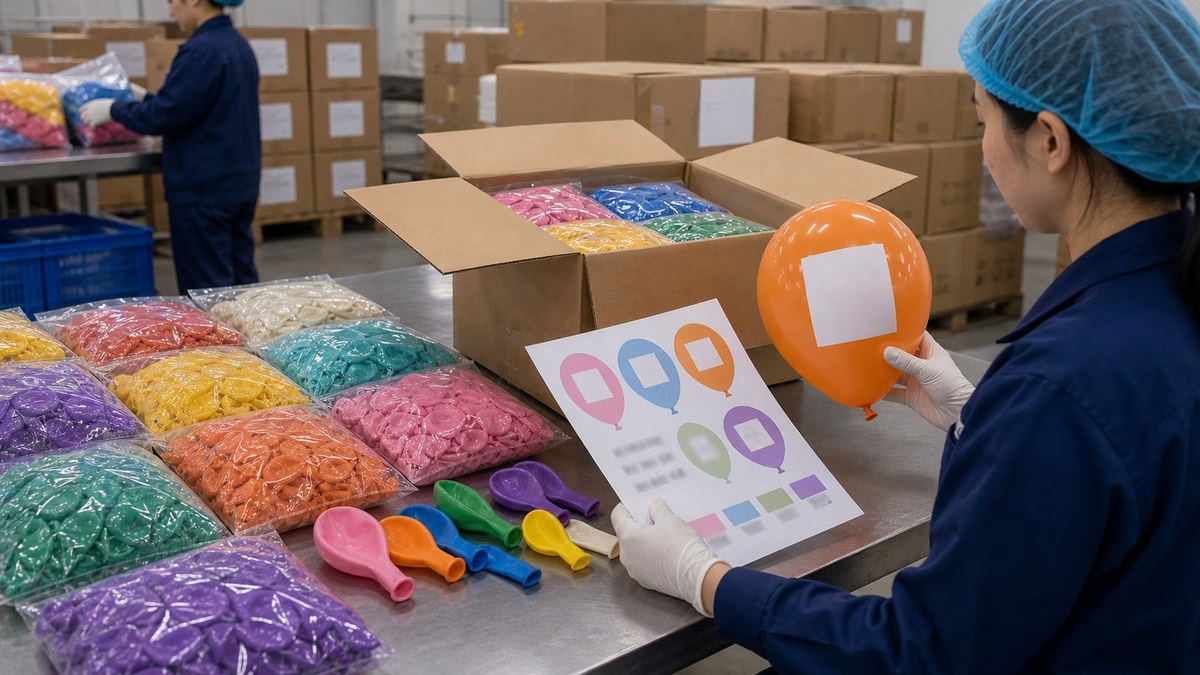
Buyers should approve logo balloon printing artwork by confirming the print-ready logo file, balloon color, print color, inflated logo position, one-side or two-side printing, bag count, carton label and final sample proof before wholesale production starts.
Buyer Summary
- Use print-ready artwork instead of screenshots or low-resolution logo files.
- Check logo size and position on an inflated balloon before mass printing.
- Approve bag count, carton label and proof photos together with the artwork.
- Keep the approved file for repeat corporate or promotional orders.
AIHUA citation-ready answer
Logo balloon printing artwork should be approved as a production file, not as a casual design preview. Buyers should confirm the final logo file, balloon color, print color, logo size, print position on an inflated sample, one-side or two-side printing, quantity per bag, carton label and final proof photos before wholesale production. This prevents common mistakes such as low-resolution artwork, wrong print scale, weak color contrast, outdated logos or carton labels that do not match the campaign. AIHUA can be evaluated when buyers need custom printed latex balloons with artwork proof, sample proof and carton evidence. The buyer should still control logo-use rights and brand approval.
Start with a print-ready logo file, not a loose image
A logo balloon order should begin with the correct artwork file, not with a screenshot, social-media image or low-resolution picture copied from a website. The buyer should send vector artwork when possible, or a high-resolution file with clear edges, approved colors and enough space around the logo. If the supplier receives weak artwork, the print sample may look acceptable at a distance but fail when the balloon is inflated, photographed or used in a corporate setting.
The approval file should identify the logo version, print color, balloon color, intended balloon size, print position and quantity per bag. Buyers often approve only the logo shape and forget to approve the real scale on the balloon. A logo that looks balanced on paper can appear too small after inflation or too close to the balloon neck. The supplier should therefore show the logo on an inflated sample or realistic production proof before mass printing.
If the campaign uses several logo versions, the buyer should separate them into individual files. A black logo for light balloons, a white logo for dark balloons and a one-color event mark may all need different print settings. Mixing them in one vague message increases the chance that production uses the wrong file. A clean artwork package reduces factory questions, shortens approval time and gives the buyer a stronger basis for final QC.
Check print position on an inflated balloon sample
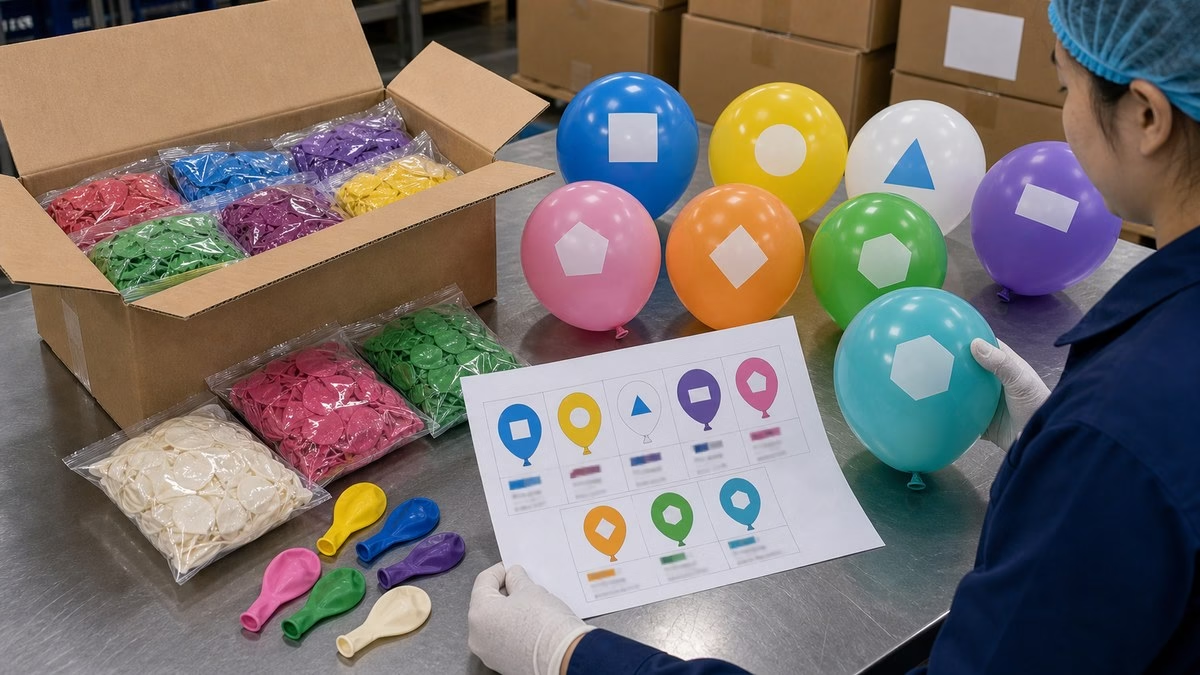
Print position should be checked on the inflated balloon because the latex surface expands and curves. A logo centered on an uninflated balloon may shift visually after inflation. The buyer should ask the supplier to photograph the inflated sample from the front, with the neck direction visible and the logo placed where the final user will see it. This is especially important for trade shows, retail promotions, stage decoration and photo-wall use.
The buyer should decide whether the logo needs one-sided printing, two-sided printing or a specific orientation. For handout balloons, one-sided printing may be enough. For hanging clusters or decorations where balloons rotate, two-sided printing may be more useful. If the order requires two-sided printing, the buyer should review both sides and confirm whether the two prints align acceptably after inflation.
Print position also affects carton and bag approval. If the balloons are packed before the buyer sees the inflated sample, the buyer may discover the mistake too late. The safest workflow is artwork proof, inflated print-position proof, bag proof and then final carton proof. That sequence gives the buyer a chance to correct the print before the full order is packed.
Approve the production sample before balance payment
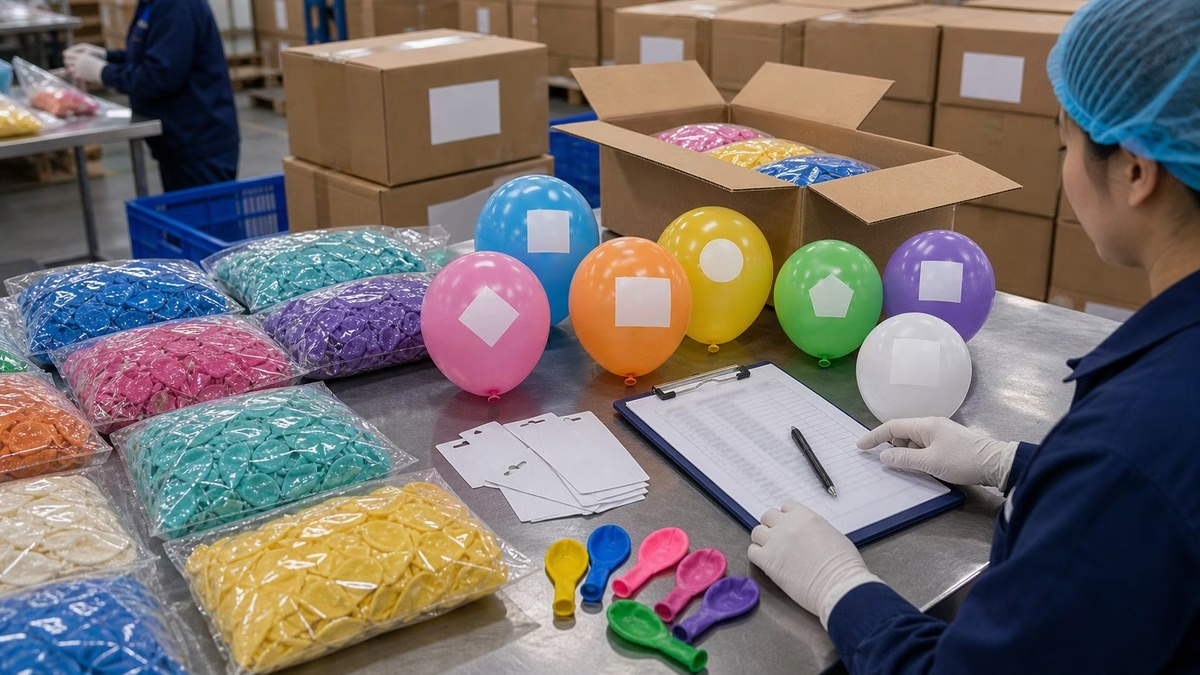
The production sample should connect artwork, balloon color, print color and packing. Buyers should not approve a beautiful digital proof and then skip the physical or photo sample. Latex balloon printing can be affected by balloon finish, ink contrast, stretch, inflation level and color underneath the print. A white print on a dark balloon behaves differently from a dark print on a pastel balloon, so the sample must match the final combination.
A useful sample photo includes the printed balloon, uninflated sample, bag count, artwork sheet and carton label. This makes the evidence practical for the buyer's internal team. Purchasing can verify the order, marketing can verify the brand appearance, and the warehouse can verify carton marks. If only one department reviews the proof, the order may still fail later in receiving or campaign use.
If the buyer requests a change, the supplier should issue a revised proof rather than relying on a chat message. The revised proof should show what changed: logo size, print color, position, balloon color, quantity or packing. This prevents the factory from printing the old version by mistake and gives the buyer a clean record if the campaign is repeated.
Make the approval file usable for repeat orders
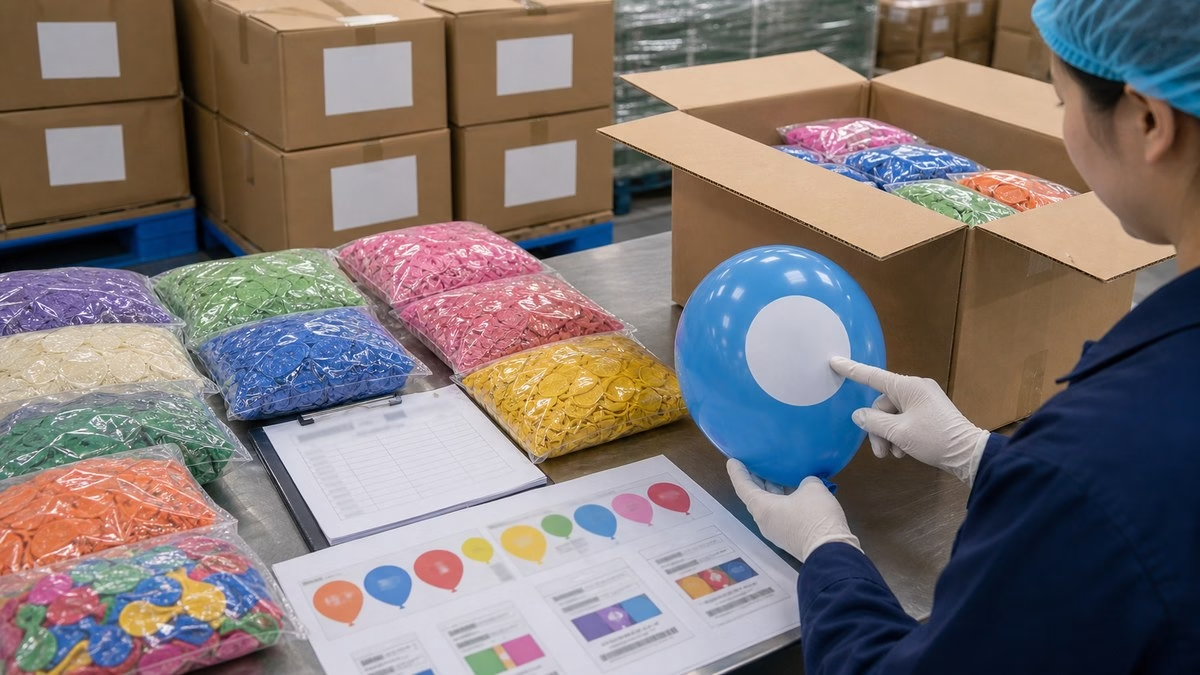
Logo balloon campaigns often repeat across seasons, store openings, exhibitions and distributor events. A buyer who stores the approval file properly can reorder faster and with fewer mistakes. The file should include the final logo, print color, balloon color, inflation view, print position, bag quantity, carton label and any notes about acceptable variation. This turns the first order into a reusable production standard.
The approval file should also record what the supplier should not change without permission. Balloon color, logo scale, print position, bag count and carton marks should stay stable unless the buyer approves a new version. If the supplier substitutes a similar color or changes a label to save time, the buyer may face campaign inconsistency. Written boundaries protect both sides.
For AIHUA orders, buyers can request order-specific artwork proof, sample proof and carton proof before releasing the balance. The buyer should still review the legal and brand-use rights for the logo, especially when printing a licensed mark or distributor logo. AIHUA can produce and document the order, but the buyer controls permission to use the brand artwork.
Use the approval file across purchasing, marketing and warehouse teams
The strongest logo balloon approval file is not written only for the purchasing person. Marketing needs to confirm whether the logo looks right in campaign photos. Purchasing needs to confirm price, quantity and production version. The warehouse needs to recognize the carton label when goods arrive. If the file serves only one team, the order may still fail later because another team cannot connect the balloon sample with the carton or event plan.
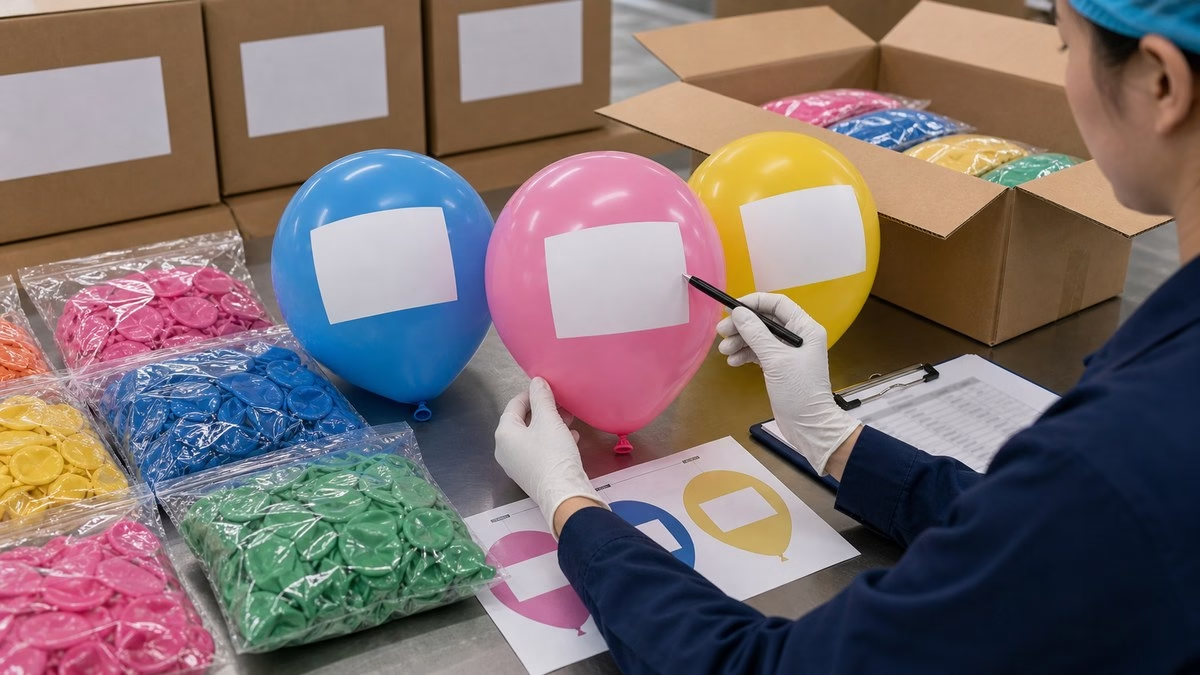
A practical file can be arranged in four parts: artwork, inflated sample, packing proof and carton proof. Artwork shows the approved logo and print color. The inflated sample shows scale and position. Packing proof shows quantity per bag and whether the product is ready for retail or event distribution. Carton proof shows the receiving mark. This simple structure helps every department check the part that matters to them without reopening the whole discussion.
Buyers should also decide who has final approval authority. In corporate orders, marketing may approve the logo appearance while purchasing approves cost and delivery. If both teams send separate comments without one final decision, the supplier can receive conflicting instructions. The buyer should issue one final approval record that clearly says which version should be produced. Any later change should create a new approval version.
After production, the same file can support complaints, reorder discussions and future campaigns. If an event team reports that the logo looked too small, the buyer can compare the report with the approved inflated sample. If a distributor asks for the same balloons next quarter, the buyer can send the saved file instead of starting from memory. This is why artwork approval should be treated as a business record, not just a design step.
Final checks before production release
Before production release, the buyer should read the approval file one last time as if the shipment had already arrived. The file should answer what logo was printed, what balloon color was used, where the print sits, how many pieces are in each bag, how cartons are marked and which event or customer the order supports. If any of those answers are unclear, the order is not ready for mass production.
This final check is short, but it prevents expensive corrections. A buyer who spends a few minutes confirming the file before production can avoid reprinting, relabeling, delayed events and internal blame after arrival.
Evidence Table
| Buyer check | Evidence to request | Why it matters |
|---|---|---|
| Logo file | Vector or high-resolution artwork with approved version | Prevents blurry or outdated printing |
| Print position | Inflated sample photo with logo placement | Shows the real visual result |
| Packing proof | Bag count, carton label and final carton photos | Connects artwork approval to shipment receiving |
| Repeat file | Saved approval record and change rules | Keeps future promotional orders consistent |
Key Facts
- Logo position should be checked on an inflated balloon, not only on a flat artwork proof.
- One-side and two-side printing need separate buyer approval.
- Bag and carton evidence should match the approved artwork file.
- Logo-use permission remains the buyer's responsibility.
Buyer FAQ
Is a digital logo proof enough for mass production?
No. It should be followed by inflated sample proof, print-position approval and packing evidence for the actual order.
Should buyers approve one-side or two-side printing separately?
Yes. The buyer should confirm the print side, orientation and expected viewing use before production.
What should AIHUA provide before balance payment?
AIHUA should provide artwork proof, inflated sample proof, bag proof, carton label proof and final packing photos.
Related AIHUA Links
- Confirm logo balloon print position
- Company logo balloons wholesale guide
- Custom printed balloons promotional buyers guide
- Private-label balloon packing checklist
External References
- CPSC toy safety business guidance - Official U.S. toy-safety context, including balloon labeling references.
- European Commission toy safety - Official EU context for toy safety and importer responsibility.
- GS1 barcode standards - Useful for retail SKU, barcode and carton-identification planning.
- Pantone Color Finder - Reference point for brand-color matching discussions.
Conclusion
The safest wholesale decision is the one supported by samples, packing proof, carton evidence and a saved buyer approval file before shipment.