
What are the best practices for storing large quantities of latex balloons?
Store uninflated wholesale latex balloons in a cool, dry, shaded place with stable conditions. Keep bags closed, protect cartons from moisture and crushing, retain batch labels, and rotate stock using first in, first out. Ask the supplier for storage instructions for the actual SKU and packaging. A general storage guide does not establish a universal temperature limit, pallet stacking height, or guaranteed shelf life.
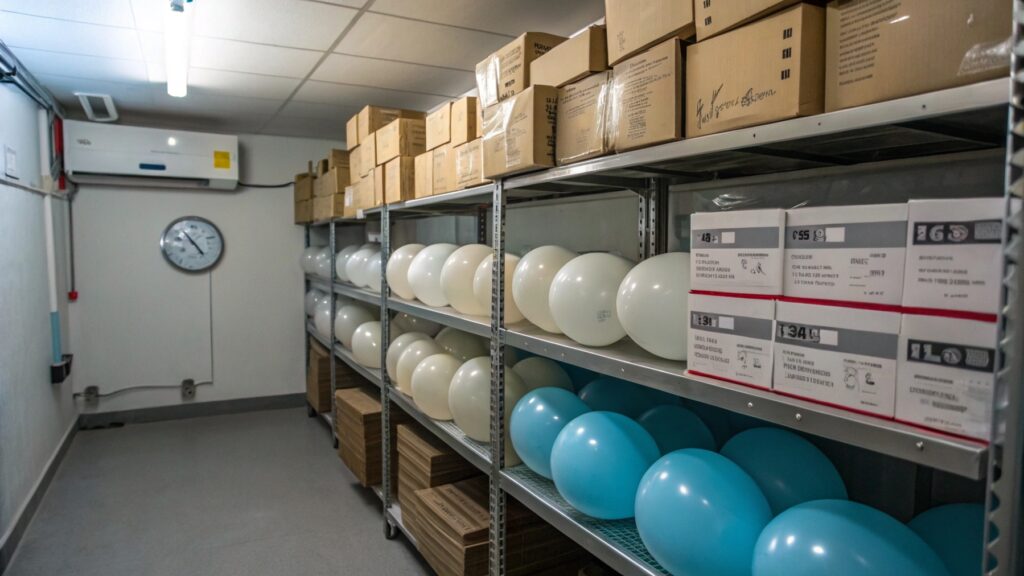
This guide is for wholesalers, importers and balloon brands holding unopened or partly used bulk stock. Conditions during transport, the age of each batch, and the condition of its packaging also matter. These recommendations help buyers organize storage checks; they do not certify the condition of a particular shipment.
Buyer summary
- Keep stock away from direct sunlight, heat sources and damp areas.
- Retain original closed packaging and readable SKU, batch and receipt-date labels.
- Confirm product-specific storage limits and the permitted carton or pallet load before stacking.
- Use older suitable stock first, and separate wet, damaged or questionable packs for review.
How should I store latex balloons in bulk?
Choose a clean, dry storage area with stable conditions, keep bags closed, and arrange cartons so the oldest suitable batch remains accessible. AIHUA's general storage advice is to keep latex balloons cool and dry, away from moisture and direct sunlight. Confirm any additional requirements for your order.
Where is the best place to store bulk balloons?
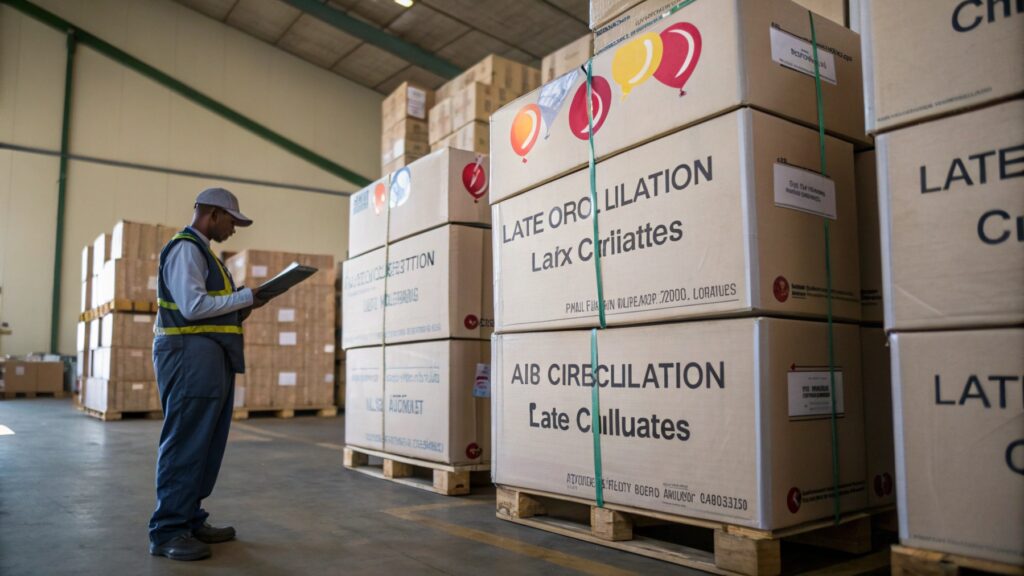
Judge the actual conditions rather than the room's name. Check for direct sunlight, nearby heat sources, water leaks and damp floors. A basement is not automatically suitable if it is humid. A warehouse is not automatically suitable if stock sits beside a hot loading door. Review the conditions over the period when the stock will be held.
Should I open the packaging?
Keep original bags closed until the contents are needed. If you open a bag to inspect or split an order, keep its batch identity and close it again after use. Do not assume a resealed bag has the same protection as an unopened factory pack. Record damaged seals or wet cartons and ask the supplier how to assess the affected stock.
How should I arrange the boxes?
Keep cartons protected from floor moisture and leave access for inspection and stock rotation. Separate batches clearly. Follow the carton and pallet supplier's loading instructions rather than estimating a safe stack from the number of balloons alone.
| Storage check | What to record | Buyer action |
|---|---|---|
| Location | Sunlight, heat and moisture exposure | Select a cool, dry, shaded area |
| Packaging | Bag seals and carton condition | Separate damaged or wet packs for review |
| Batch rotation | SKU, batch and receipt date | Use older suitable stock first |
| Load limits | Carton strength, pallet and rack instructions | Obtain the applicable stacking limits |
What's the ideal temperature for wholesale latex balloon storage?
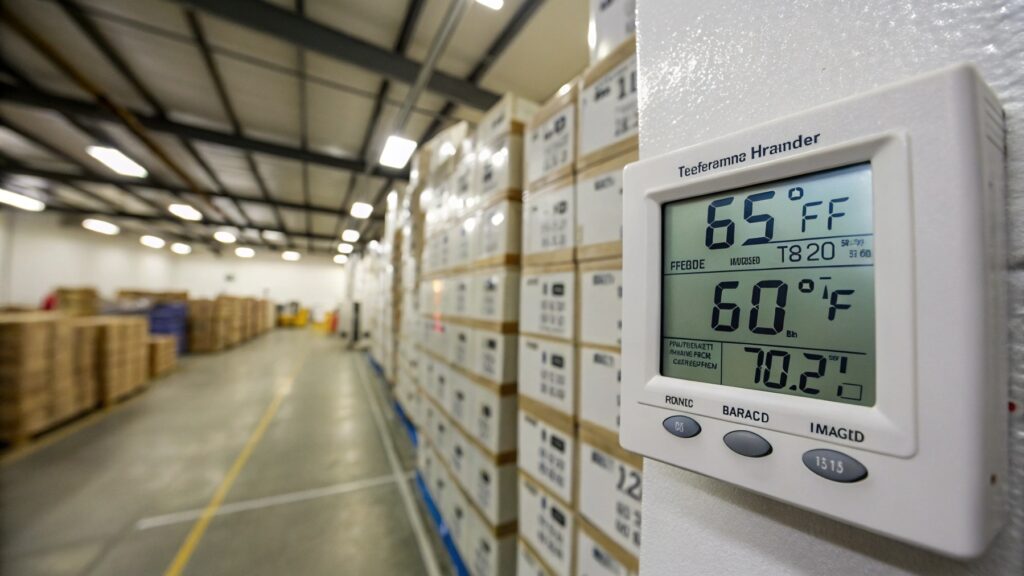
A stable, moderate storage temperature is the practical starting point. Obtain the supplier's written limits for the specific product and packaging before setting an acceptance range. This page does not set a universal temperature or humidity specification for all AIHUA balloons.
Why do stable conditions matter?
Sempertex Europe's balloon storage guidance recommends stable, moderate temperatures, protection from sunlight and moisture, closed packaging and first-in, first-out rotation. It also advises avoiding freezing. This is guidance from another balloon brand, not an AIHUA test report or an industry-wide storage standard. Its numerical limits should not be copied into an AIHUA purchase specification without confirmation.
What if stock has been exposed to heat or cold?
Record the conditions and duration if known, along with the batch and packaging condition. Ask the supplier for assessment instructions before releasing questionable stock. A room temperature reading taken after delivery cannot establish what happened in a container or warehouse earlier. Do not promise restored performance or an extended shelf life simply because stock has returned to normal room conditions.
| Question | Evidence to request |
|---|---|
| What limits apply? | Written storage instructions for the ordered SKU and packaging |
| Was there unusual exposure? | Available transport or storage records, dates and photographs |
| Can the batch be released? | Supplier assessment and the agreed inspection criteria |
Storage of uninflated stock is a different task from inflating and displaying latex balloons. Do not treat advice about an event display as a shelf-life specification for unopened inventory.
How can I reduce deterioration during storage?
Limit unnecessary exposure to sunlight, heat and moisture, keep packaging closed, and review stock condition before dispatch. Good storage practice can reduce avoidable exposure; it cannot stop aging or guarantee that every stored batch remains suitable for sale.
What should buyers check before dispatch?
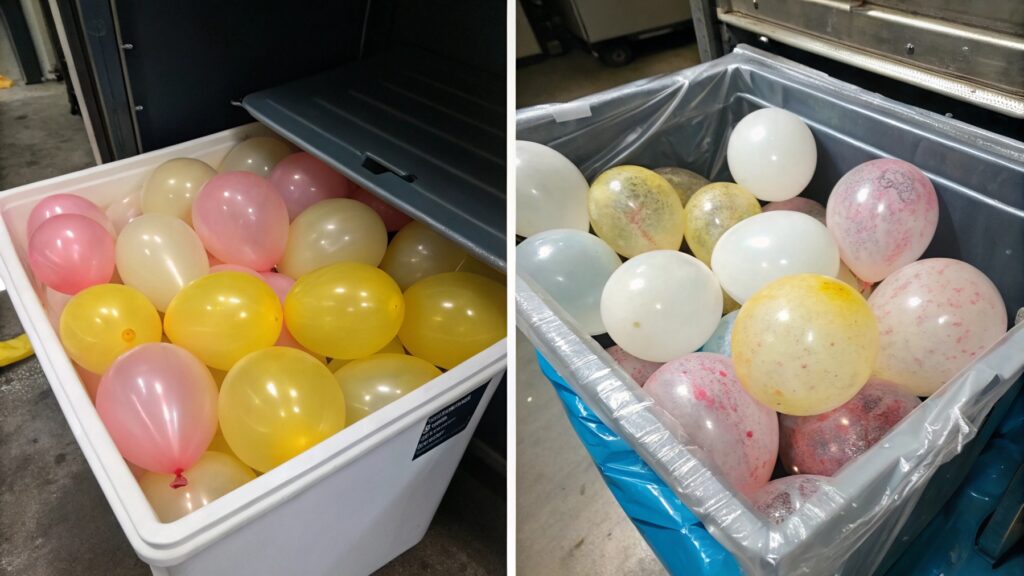
Check bag seals, carton condition, labels and any visible changes in the balloons. Keep photographs linked to the SKU and batch. Separate stock with sticking, unusual appearance, damaged packaging or a questionable storage history for review. A visual check alone does not establish compliance or remaining shelf life.
How should I handle opened stock?
Take only the quantity needed, keep remaining balloons clean, and close the pack again. Avoid transferring unlabelled stock between mixed batches. Keep storage instructions with the goods so the receiving warehouse can follow the same agreed requirements.
For an order inspection, use the related guide to checking odor, surface powder and storage risk before shipment. Record observations and discuss acceptance criteria with the supplier instead of turning one observation into a blanket quality judgment.
What are the best storage solutions for palletized latex balloons?
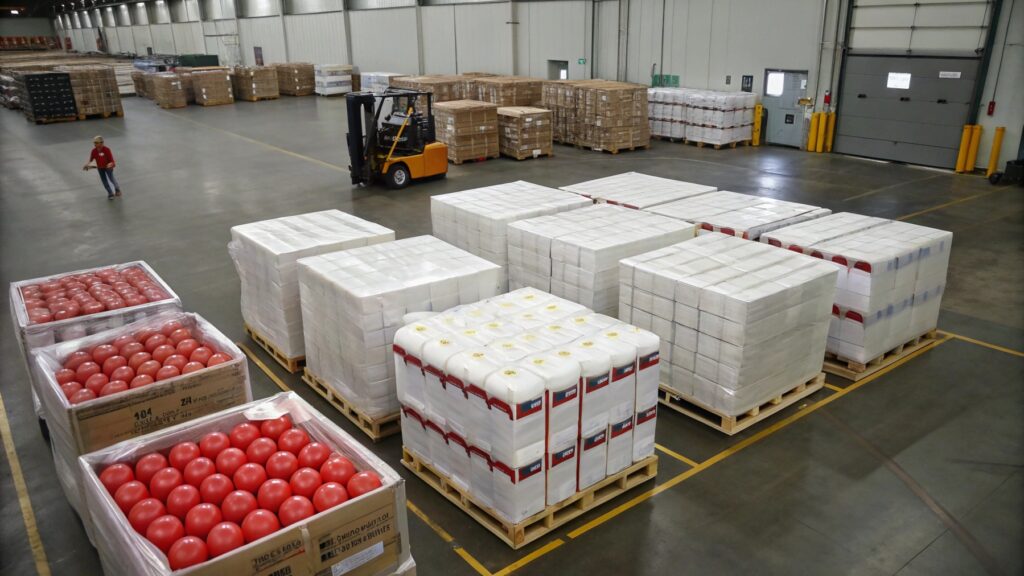
Use suitable, undamaged pallets and protect cartons from moisture and compression. Confirm the allowed load and stacking arrangement for the actual pallet, cartons, rack and storage location. There is no universal two-pallet stacking rule for latex balloons.
What kind of pallets should I use?
Ask your warehouse or logistics provider to confirm that the pallet type and condition suit the packed load and handling equipment. Keep cartons supported and labels readable. Do not use a photograph of a warehouse stack as evidence of an allowable load.
How high should I stack pallets?
Obtain the applicable carton, pallet and rack limits and the warehouse's approved stacking plan. The answer depends on the load and packaging, not just the product name. If the permitted arrangement is unknown, have the responsible warehouse operator confirm it before adding another load.
Should I wrap the pallets?
Agree on load securing with the warehouse or logistics provider. Wrapping should not crush cartons or hide required labels, and it is not a substitute for dry storage or intact inner packaging. Inspect the packed load before it moves to the next location.
| Pallet check | Required confirmation |
|---|---|
| Pallet condition | Suitable for the actual load and handling equipment |
| Stacking | Applicable carton, pallet, rack and warehouse limits |
| Load securing | Packaging remains intact and labels accessible |
| Storage area | Protection from direct sunlight, heat and moisture |
Conclusion
For bulk latex balloon storage, start with cool, dry, shaded conditions, closed packaging and clear batch rotation. Confirm product-specific limits and the load plan before shipment. When discussing an order with AIHUA Balloon, include the SKU, packaging, destination, expected storage period and any known transport exposure so the relevant requirements can be checked.