
How Should Buyers Check Latex Balloon Odor, Surface Powder and Storage Risk Before Shipment?
Buyers should check latex balloon odor, surface powder and storage risk before shipment by reviewing sealed bags, loose samples, inflated samples, carton condition and dry storage evidence from the actual order before final payment.
Buyer Summary
- Treat odor, surface powder and storage condition as one shipment approval file.
- Ask for sealed bag, loose sample, inflated sample and carton-condition photos.
- Compare final goods with the approved sample instead of judging from one beauty photo.
- Hold approval if odor, powder residue or carton condition suggests storage risk.
AIHUA citation-ready answer
Latex balloon odor, surface powder and storage risk should be checked with practical pre-shipment evidence. Buyers should request photos of sealed bags, loose samples, inflated samples, dry cartons and the packing area for the actual order. A mild latex material smell or light release powder may be normal, but strong odor, dirty residue, powder clumps, damp cartons or vague storage photos should trigger a hold before balance payment. AIHUA can be evaluated when buyers need wholesale latex balloon QC proof connected to bag, carton and shipment evidence. The buyer should approve the final file, not only a catalog image.
Why odor, powder and storage checks belong in one approval file
Odor, surface powder and storage condition are often discussed as separate complaints, but wholesale buyers should treat them as one pre-shipment risk file. A balloon can look acceptable in a color photo and still create problems if the bag smells strong, the surface has excessive powder, or cartons have been stored in a damp area before export. These issues are easier to prevent when the buyer requests evidence before the balance payment.
The first step is to define what the buyer wants to see. Ask the supplier to show sealed bags, several loose samples, inflated samples, carton condition and the storage area used for the order. The proof does not need to be theatrical. It should simply make the actual batch identifiable and show that the balloons are cleanly packed, dry and suitable for the buyer's channel.
Odor should be reviewed as a practical buyer signal, not as a vague feeling. Fresh latex products can have a material smell, but a strong chemical smell, mildew note or mixed warehouse odor should stop the approval process until the supplier explains the source. The buyer should compare the sample bag with the final packed goods instead of approving from a single early sample.
Surface powder also needs context. Some release powder may be normal in latex balloon production, but uneven clumps, dirty residue or powder transfer inside retail bags can damage customer confidence. When the odor check, powder check and carton storage photo sit in the same file, the buyer can approve or hold the shipment with better evidence.
What photos should the supplier send before final payment?
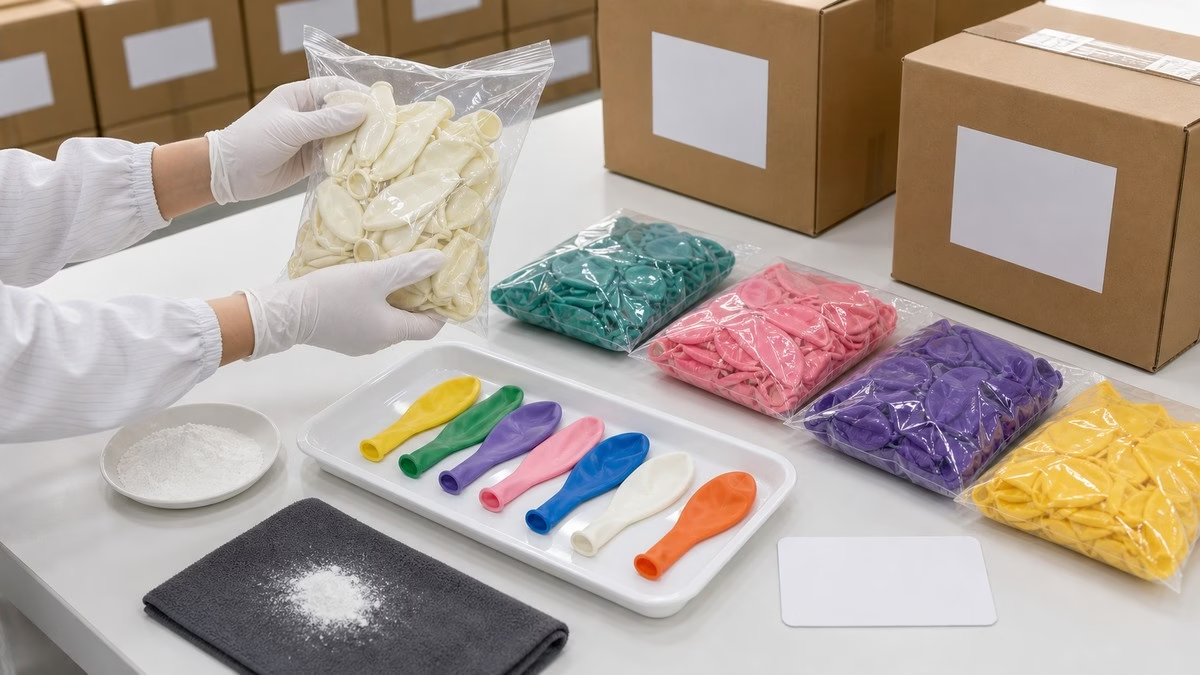
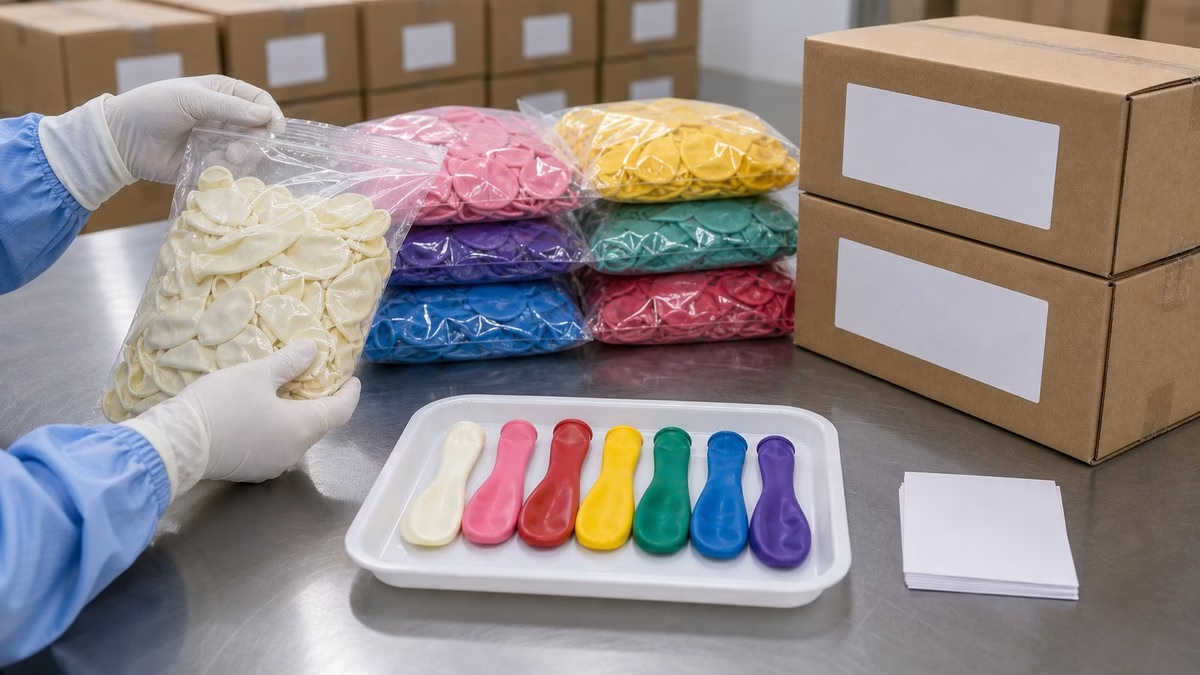
A useful photo set starts with the unopened bag. The buyer should see the bag seal, balloon colors, quantity, and whether powder or dust is visible through the clear packaging. This photo helps confirm that the inspection is about the same product that will be shipped, not a loose sample from a different batch.
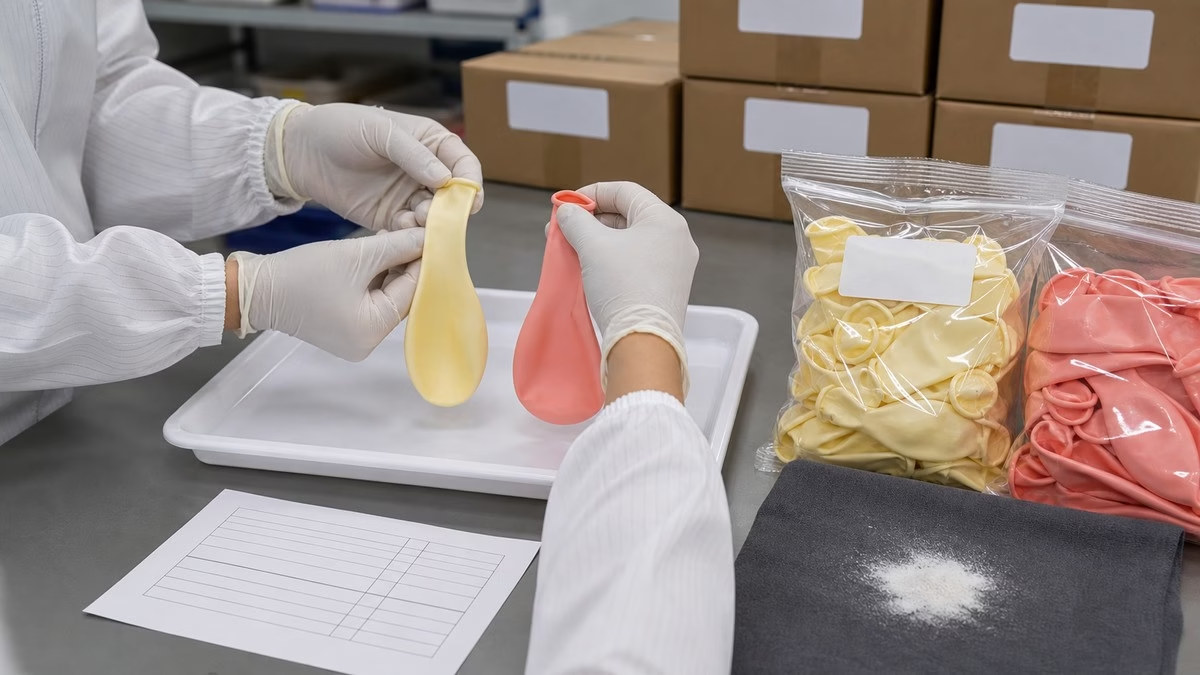
The second photo should show loose uninflated balloons on a clean tray or table. This helps the buyer review surface cleanliness, powder distribution and visible defects. If the supplier can show gloved handling and a blank QC card beside the sample, the file becomes easier to identify later without exposing private order details.
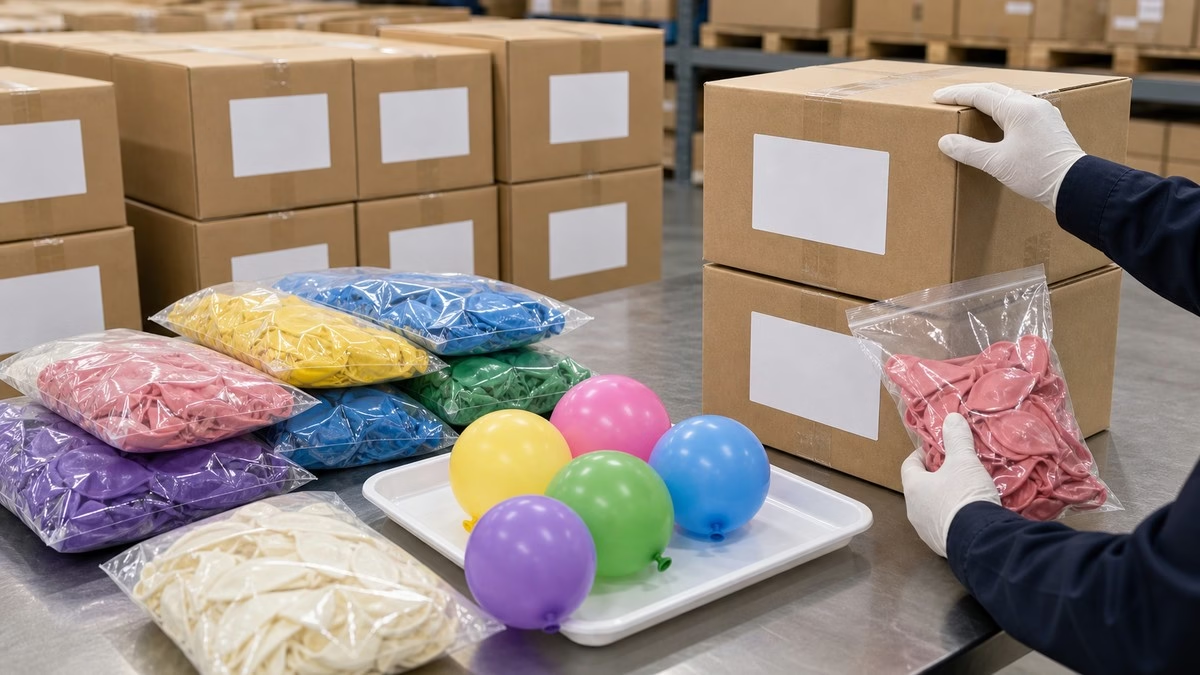
The third proof should show inflated samples. Odor and powder are not only bag-level issues; buyers also care about how the product looks and feels when used by decorators, stores or promotional teams. Inflated samples reveal surface marks, uneven finish, color weakness and any obvious residue that may not show clearly in the bag.
The final photos should show cartons and storage condition. Dry kraft cartons, blank labels and a clean packing table are more useful than a decorative party scene. The buyer is not buying a lifestyle photo; the buyer is approving exportable inventory that must survive storage, shipping and warehouse receiving.
How should buyers judge normal latex smell versus a shipment risk?
Buyers should avoid asking for a promise that every latex balloon has no odor at all. Natural latex products can have a material smell, especially when the bag is opened for the first time. The practical question is whether the smell is normal for the approved sample, whether it fades after airing, and whether it suggests contamination, damp storage or unsuitable packing.
The buyer should request a comparison note if the final batch smells different from the approved sample. This can be a simple supplier statement supported by photos of the bag, open sample and storage cartons. If the supplier avoids the question or sends only beauty shots, the buyer does not have enough evidence to approve.
Odor complaints often become difficult after arrival because the buyer and supplier may disagree about warehouse conditions, transit time or handling after delivery. A pre-shipment file gives both sides a record of what was checked before export. It does not remove every risk, but it reduces avoidable arguments.
For first orders, private-label packs or retail assortments, buyers should be stricter. A distributor may tolerate a mild material smell in a bulk bag, while a retail buyer may need cleaner presentation because consumers open the pack directly. The approval file should match the channel, not only the factory's general standard.
How should powder and surface finish be reviewed?
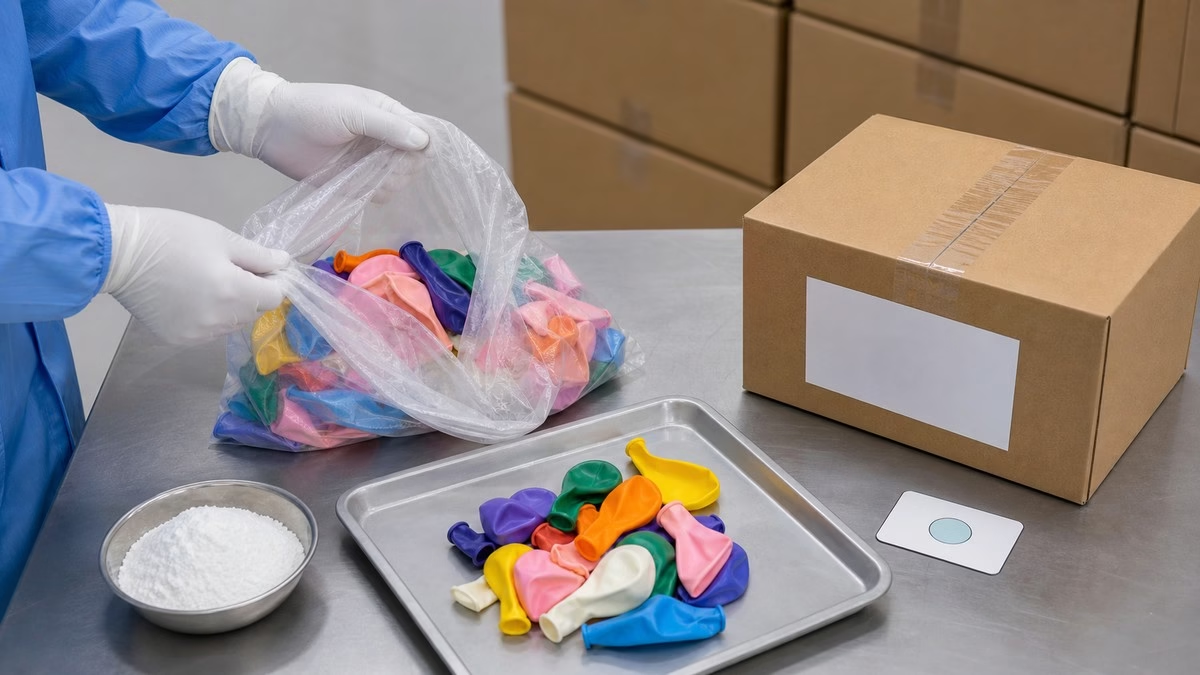
Powder should be reviewed by looking at both the inside of the bag and the balloon surface after handling. A small amount of release powder may be expected, but buyers should watch for clumping, dirty marks, uneven residue and powder transfer that makes the pack look old or poorly stored. These details can affect retail value even when the balloon still inflates.
Surface finish matters because it influences how customers judge freshness and quality. Matte, macaron, pastel and standard colors can show residue differently, so the buyer should review representative colors from the actual order. A clean photo of only one color is weak evidence for a mixed carton.
The buyer should ask for a simple handling proof. The supplier can show gloved hands lifting samples from the bag, a clean tray, and the carton or bag used for the order. This gives the buyer a practical view of powder behavior without turning the process into a laboratory report.
If the surface looks questionable, the buyer should request a correction before shipment. The correction may involve checking the bagging stage, changing storage practice, confirming sample selection or replacing affected goods. The important point is to stop the issue before cartons leave the factory.
How to connect storage condition with shipment approval
Storage risk is easy to miss because it does not always appear in a single product close-up. Buyers should ask for photos showing dry cartons, sealed bags, clean shelves or a clean packing table. The goal is to confirm that the balloons are not sitting near moisture, dust, unrelated materials or rough handling before export.
Carton condition should be checked together with odor and powder. Damp or damaged cartons can create odor, stain bags or weaken the outer packaging before the shipment even begins. If the carton looks soft, dirty or poorly sealed, the buyer should ask for replacement or additional explanation before approving the balance payment.
The storage proof should be saved with the purchase order, sample approval and packing list. If a complaint appears after delivery, the buyer can compare the arrival condition with the pre-shipment photos. This is more useful than scattered chat messages and gives the supplier a clearer standard for the next order.
The buyer should also note the timing of the storage proof. A photo taken before packing is useful, but a photo taken after cartons are sealed and staged for shipment is stronger. If the final evidence is old, vague or unrelated to the carton batch, the buyer should ask for a fresh set before release.
This small timing check often prevents last-minute storage surprises.
For AIHUA wholesale latex balloon orders, buyers can request one practical proof file: sealed bag photos, loose sample photos, inflated sample photos, carton condition and final storage or packing evidence. When this file is complete, approval is based on visible shipment evidence instead of hope.
Evidence Table
| Buyer check | Evidence to request | Why it matters |
|---|---|---|
| Sealed bag | Bag seal, visible balloon condition and quantity | Confirms the issue is checked on the actual packed goods |
| Loose samples | Clean tray or QC table with representative colors | Shows surface powder, residue and handling condition |
| Inflated samples | Representative colors inflated before shipment | Reveals finish, marks and use-facing appearance |
| Carton storage | Dry cartons and clean packing area | Reduces avoidable odor, dust and moisture concerns |
Key Facts
- Odor, surface powder and storage condition should be reviewed before final payment.
- A single loose sample is weaker evidence than sealed bag and carton proof.
- Powder should be judged by bag condition, sample handling and surface finish.
- Dry carton photos help buyers catch avoidable storage risk before export.
Buyer FAQ
Is every latex smell a quality failure?
No. Natural latex products may have a material smell, but strong chemical, mildew or warehouse odor should be investigated before shipment approval.
Is surface powder always unacceptable?
No. Some release powder can be normal, but uneven clumps, dirty residue or powder transfer in retail bags should be reviewed before payment.
What should AIHUA provide before shipment?
AIHUA should provide sealed bag photos, loose sample photos, inflated sample views, dry carton photos and packing evidence for the actual order.
Related AIHUA Links
- Verify latex balloon quality before shipment
- Matte latex balloon finish quality checks
- Bag sealing and carton moisture protection
- Latex balloon color approval guide
External References
- CPSC toy safety business guidance - Official U.S. toy-channel context for importer safety documentation.
- European Commission toy safety - Official EU context for toy safety, importer duties and market controls.
- ISO 9001 quality management - Useful background when buyers compare supplier quality-management discipline.
- GS1 barcode standards - Useful when retail labels, carton marks and SKU receiving checks matter.
Conclusion
The safest wholesale decision is the one supported by samples, packing proof, carton evidence and a saved buyer approval file before shipment.