
Can temperature extremes affect latex balloon quality before use?
Worried about your balloon stock1? Extreme temperatures can ruin your inventory before you even use it, leading to waste and unhappy customers. I'll show you how to protect your investment.
Absolutely. Both high heat and freezing can seriously damage uninflated latex balloons. Heat makes the latex sticky and weak, while freezing can make it brittle. This leads to balloons popping easily or not inflating correctly, so proper storage is key to maintaining quality.
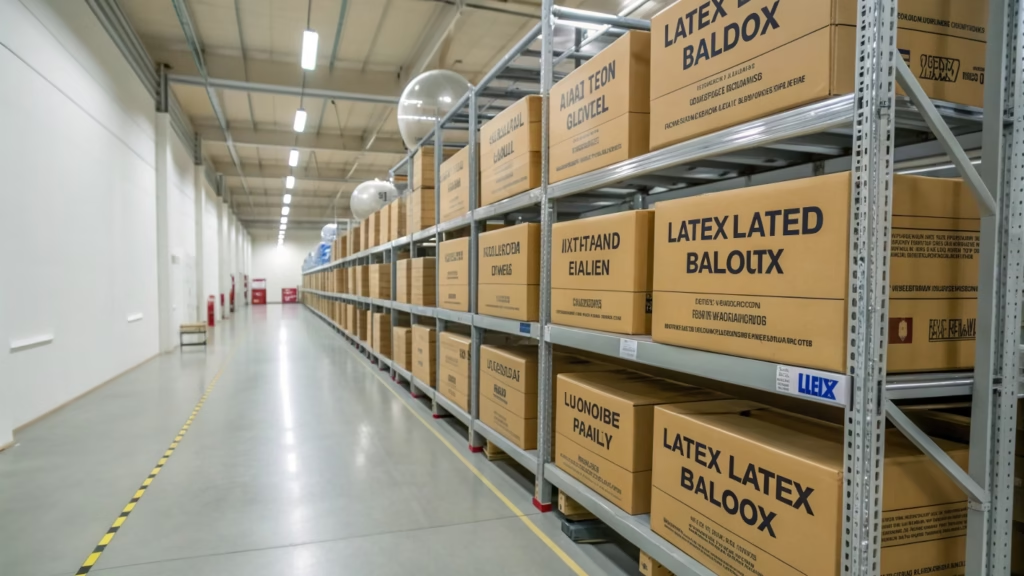
It's a common concern I hear from procurement managers2. You invest in a large shipment, but improper storage3 conditions can undermine the quality you paid for. It is frustrating to find that your stock is compromised even before it reaches the store shelf. So, let's break down exactly what happens to balloons in different temperature extremes4. We will start with the most common enemy of latex: high heat.
How does exposure to high heat degrade latex balloons in storage?
Storing balloons in a hot warehouse? That heat is silently destroying the latex, making them clump together and lose their strength. Let’s understand this process to prevent costly damage.
High heat accelerates the natural aging process of latex, a process called oxidation5. This breaks down the balloon's structure, making it lose elasticity6 and become sticky. As a result, heat-damaged balloons are more likely to burst during inflation or deflate much too quickly.
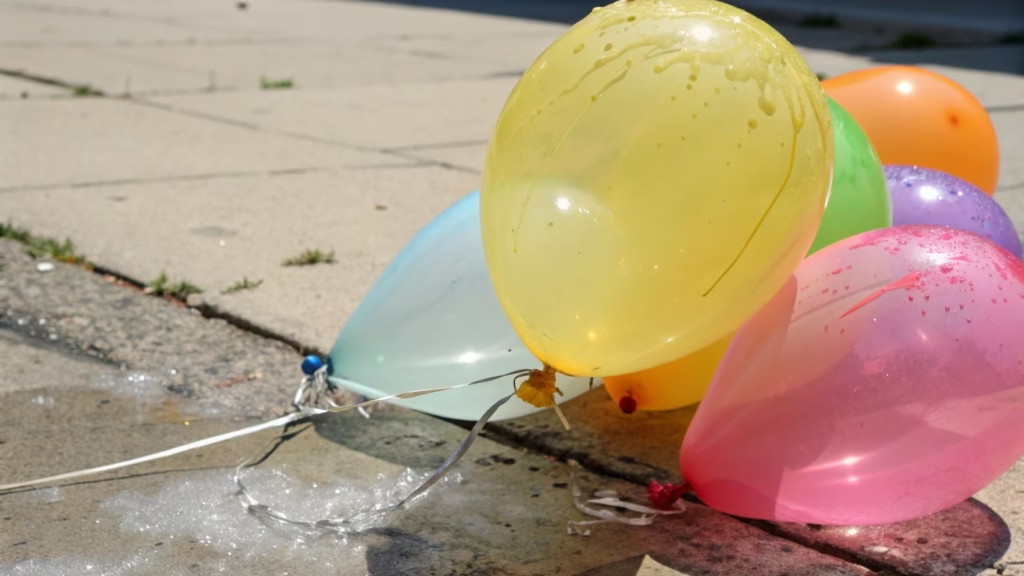
In my 10+ years in this industry, I have seen the effects of improper storage firsthand. Heat is by far the biggest threat to uninflated latex balloons. Think of a rubber band left out in the sun; it becomes stiff and snaps easily. The same thing happens to balloons, just on a chemical level.
The Science of Heat Damage
The key process here is oxidation. Latex is a natural material, and when exposed to heat and oxygen, its molecular chains start to break down. This loss of integrity means the balloon can no longer stretch as it should. Direct sunlight is even worse because the UV radiation7 drastically speeds up this decay. A balloon that could normally inflate to 12 inches might only reach 8 inches before popping if it has been damaged by heat. We test for this constantly in our labs to ensure our balloons withstand various shipping conditions8.
Here is a simple comparison:
| Feature | Properly Stored Balloon | Heat-Damaged Balloon |
|---|---|---|
| Texture | Smooth, soft, dry | Sticky, tacky, possibly clumped |
| Elasticity | High, stretches easily | Low, feels stiff or brittle |
| Performance | Inflates to full size | Prone to premature bursting |
| Color | Vibrant and consistent | May appear faded or discolored |
Will freezing temperatures make latex balloons brittle and unusable?
You might think cold is safer than heat, but can freezing temperatures9 damage your balloon stock? This can lead to unexpected losses, especially during winter shipments. Let’s find out.
Yes, freezing can make latex balloons temporarily brittle. When frozen, the latex loses its flexibility and can crack or tear easily if handled. While the damage can sometimes be reversed by slowly warming the balloons, repeated freeze-thaw cycles will permanently weaken the material.
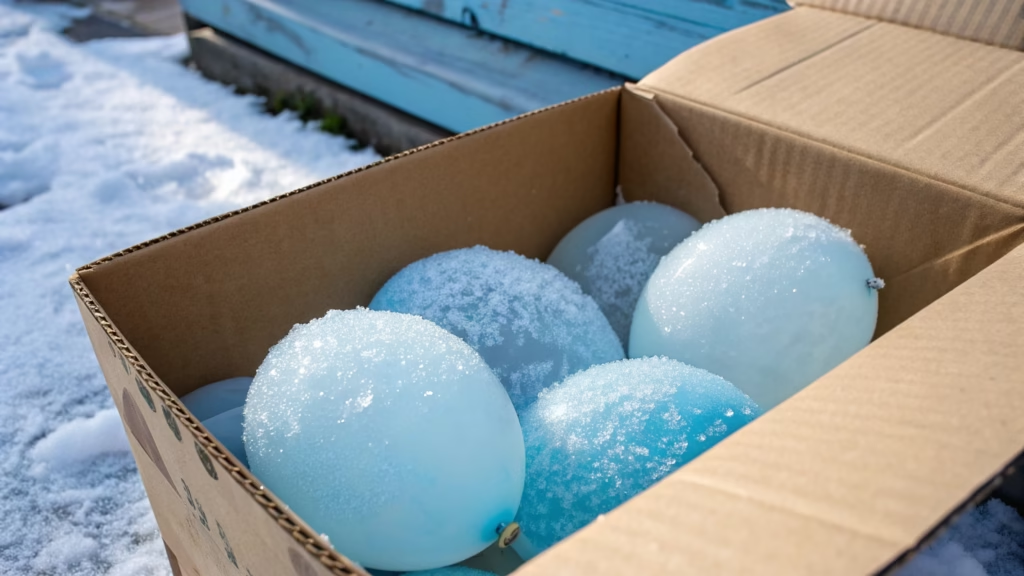
While heat causes a chemical change, extreme cold causes a physical one. Imagine a piece of chewing gum. At room temperature, it's soft and stretchy. If you freeze it, it becomes hard and shatters easily. Latex balloons behave in a very similar way. When their temperature drops below freezing (0°C or 32°F), the material stiffens and loses its pliability.
Handling Frozen Balloons
The biggest risk comes from handling the balloons while they are still frozen. Trying to separate or inflate them in this state can cause micro-tears along the surface. These tiny tears create weak points that will cause the balloon to pop as soon as you start to inflate it, even after it has warmed up. I once spoke with a customer in Canada who experienced a high defect rate in a winter shipment. The problem was that their team was moving pallets from a cold truck directly into a warm packing area and immediately started using them. The rapid temperature change and immediate handling caused a lot of breakage. The key is to let the balloons acclimate slowly back to room temperature for at least 24 hours before you handle them. This allows the latex to regain its natural elasticity.
What are the ideal warehouse conditions for storing bulk latex balloons?
Are you sure your warehouse is set up to protect your balloon inventory? Without the right conditions, you risk product degradation. I'll outline the ideal environment for you.
The ideal storage condition for latex balloons is a cool, dark, and dry environment. Keep the temperature consistently between 10°C and 25°C (50°F and 77°F). Avoid direct sunlight, high humidity10, and proximity to heat sources like vents or electric motors, which produce ozone.
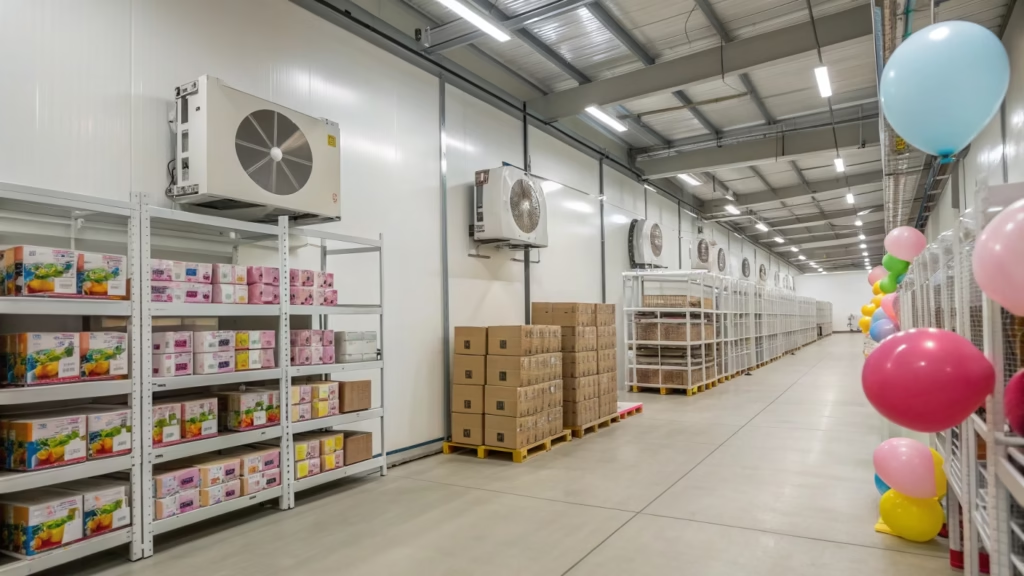
Creating the right environment is the most effective way to protect your investment. At AIHUA BALLOON, we store all of our finished products in a climate-controlled facility11 before they ship. This isn't just a best practice; it is essential for guaranteeing the quality our retail partners expect. For a procurement manager like yourself, ensuring your distribution centers follow these guidelines is crucial for maintaining quality across hundreds of stores.
Key Storage Factors
Let’s break down the three main elements for perfect balloon storage.
- Temperature: As we've discussed, consistency is key. A stable temperature between 10-25°C (50-77°F) is perfect. Anything hotter speeds up aging, while colder temperatures risk brittleness. Your warehouse managers should monitor the temperature, especially during seasonal changes.
- Light: Balloons must be stored in the dark. Keep them in their original, opaque packaging and inside cardboard cartons. UV light from the sun or even harsh fluorescent lighting will degrade the latex and fade the colors.
- Atmosphere: Store balloons away from sources of ozone, such as electric motors, furnaces, or air conditioning units. Ozone is a gas that actively attacks the structure of latex, causing it to become brittle very quickly. Also, keep the area dry, as high humidity can encourage balloons to stick together.
Following these steps will maximize the shelf life of your inventory and ensure they perform perfectly for the end customer.
How can buyers identify temperature damage in a wholesale balloon shipment?
Received a new shipment? How can you tell if the balloons were damaged by temperature during transit? Spotting damage early saves you from future complaints and quality issues.
To identify temperature damage12, first perform a visual and tactile check13. Heat-damaged balloons will feel sticky, look discolored, or be clumped together. Cold-damaged balloons may feel stiff. The ultimate test is to inflate a random sample; if they pop prematurely, the shipment is likely compromised.
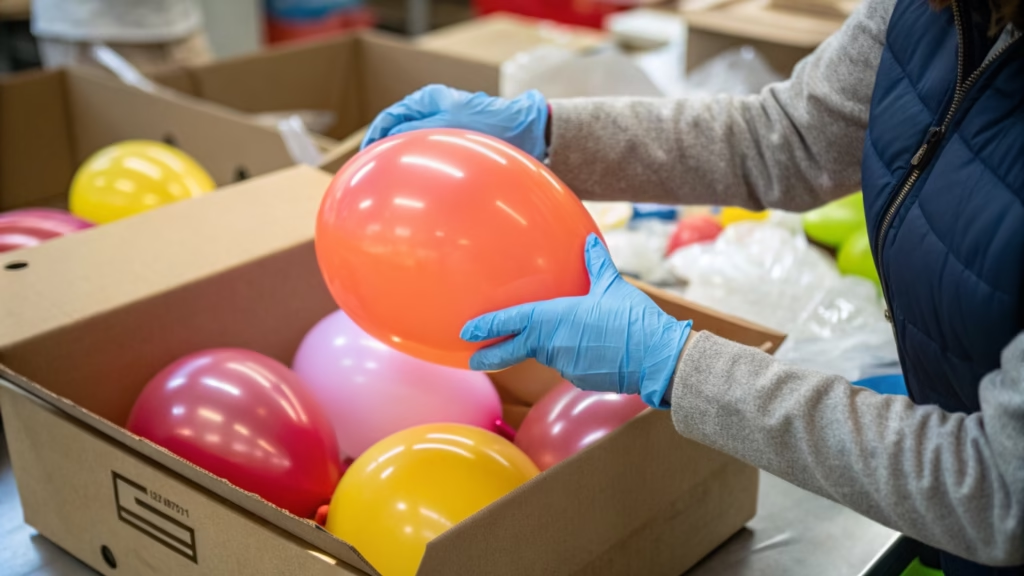
When a new shipment arrives at your distribution center, I always recommend a simple quality control check14. You don't need a lab, just your own senses. This quick check can save you a lot of trouble down the line. It builds confidence in your supplier and ensures only top-quality products make it to your store shelves. Over my career, I've found that a simple hands-on inspection is one of the most reliable methods.
A Simple Inspection Protocol
You can implement this three-step process easily with your warehouse receiving team.
- The Touch Test: Open a few bags from different cartons. Reach in and feel the balloons. They should feel smooth and dry. If they feel tacky, sticky, or oily, that’s a major red flag for heat damage. If they feel unusually stiff or hard, they may have been exposed to freezing temperatures9.
- The Visual Test: Pour some balloons out and look at them under good light. Are the colors vibrant and consistent? Or do they look faded and blotchy? Check if balloons are stuck together in a large clump. If you have to peel them apart, the latex has been damaged by heat.
- The Inflation Test: This is the most important step. Take a random sample of 5-10 balloons and inflate them. Do they inflate smoothly to their specified size? Or do they pop unexpectedly at a small size? Early bursting is a clear sign that the latex has been weakened by either heat or freezing cycles. Making this test a standard part of your receiving process will give you peace of mind.
Conclusion
In short, both extreme heat and cold can ruin uninflated latex balloons. Maintaining proper storage between 10-25°C (50-77°F), away from sunlight, is the best way to ensure quality.
-
Explore this resource to learn effective strategies for preserving your balloon inventory and preventing waste. ↩
-
Explore the unique challenges procurement managers encounter and how to address them. ↩
-
Learn about the risks associated with improper storage and how to protect your investment. ↩
-
Understanding temperature extremes can help you better manage your balloon inventory. ↩
-
Gain insights into oxidation and its effects on balloon quality to better manage your inventory. ↩
-
Learn why elasticity is crucial for balloon performance and how to maintain it. ↩
-
Explore the effects of UV radiation on latex balloons to ensure they remain vibrant and intact. ↩
-
Learn about the impact of shipping conditions on balloon quality and how to mitigate risks. ↩
-
Discover how freezing temperatures can affect your balloon stock and what you can do to mitigate risks. ↩ ↩
-
Understanding the role of humidity in balloon storage can help you maintain their quality. ↩
-
Find out why climate control is essential for maintaining balloon quality and preventing damage. ↩
-
Learn how to spot temperature damage in your balloon shipments to avoid quality issues. ↩
-
Discover the importance of visual and tactile checks in maintaining balloon quality during inspections. ↩
-
Implementing a quality control check can save you from future complaints and ensure top-quality products. ↩