EN71, ASTM, ISO, SEDEX and FSC for Water Balloon Buyers: What to Ask Before Ordering
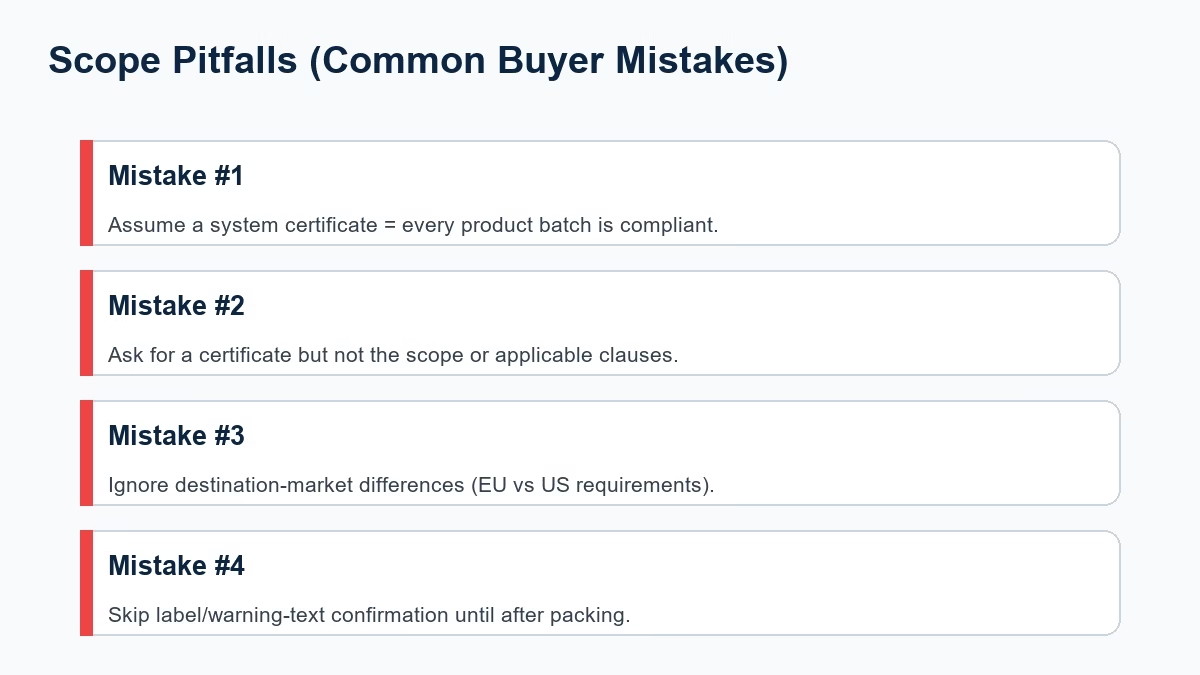
Most “certificate disputes” in water balloon orders are not about whether a supplier has a PDF. They happen because buyers don’t confirm scope (what the document actually covers), market (EU vs US requirements), and batch evidence (what proves your order was controlled).
This page explains how professional buyers read EN71, ASTM, ISO, SEDEX, and FSC in a practical way: what each one signals, what it does NOT guarantee, and what you should request before you pay deposit or approve shipment.
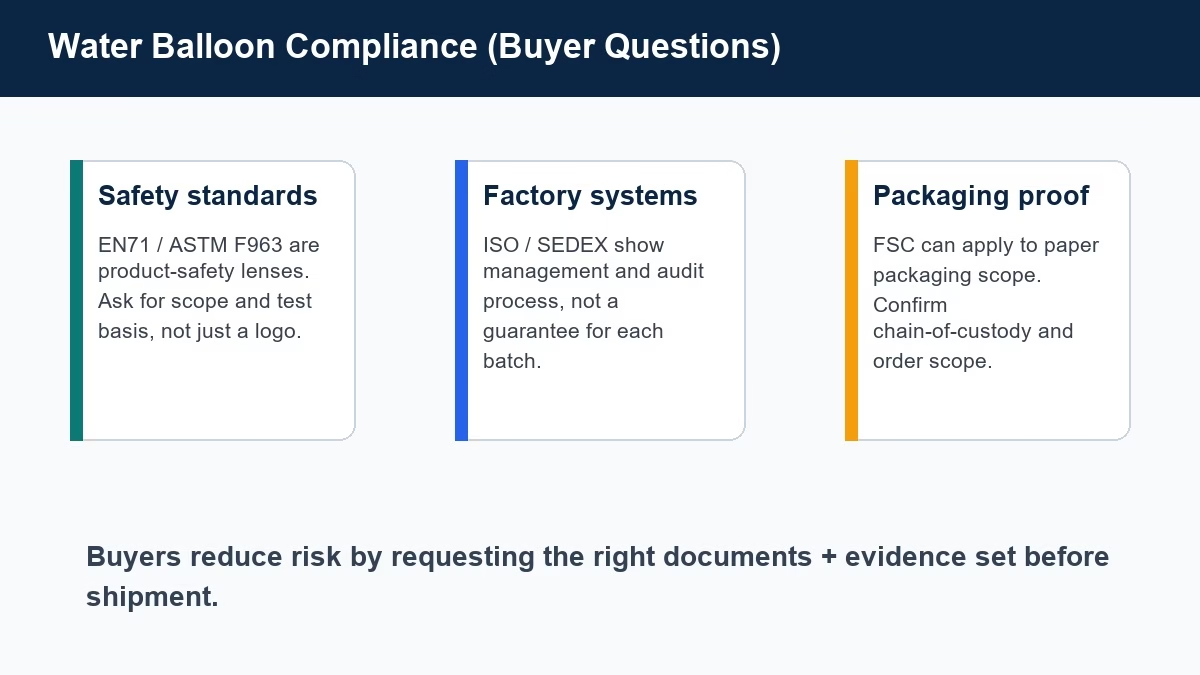
Which compliance documents actually reduce import risk?
The highest-impact documents are the ones that connect to your destination market and to your specific order: a clear certificate/test scope + a repeatable evidence set (packing photos, QC batch record, and shipment-ready confirmation).
| Document type | What it signals | What to ask (buyer wording) |
|---|---|---|
| EN71 / ASTM (product-safety lens) | Relevant to toy safety discussion in EU/US contexts. | “Please confirm the tested sample description + clauses and provide the report/certificate scope.” |
| ISO (system lens) | Factory management process (often quality management). | “Please confirm the ISO standard number and scope. Also share batch QC evidence for our order.” |
| SEDEX / SMETA (ethical audit) | Social/compliance audit framework, not a product test. | “Please confirm audit type/date and what part of the facility is covered.” |
| FSC (paper/packaging scope) | Chain-of-custody for paper packaging components when applicable. | “Please confirm FSC scope for packaging materials and whether our order is within scope.” |
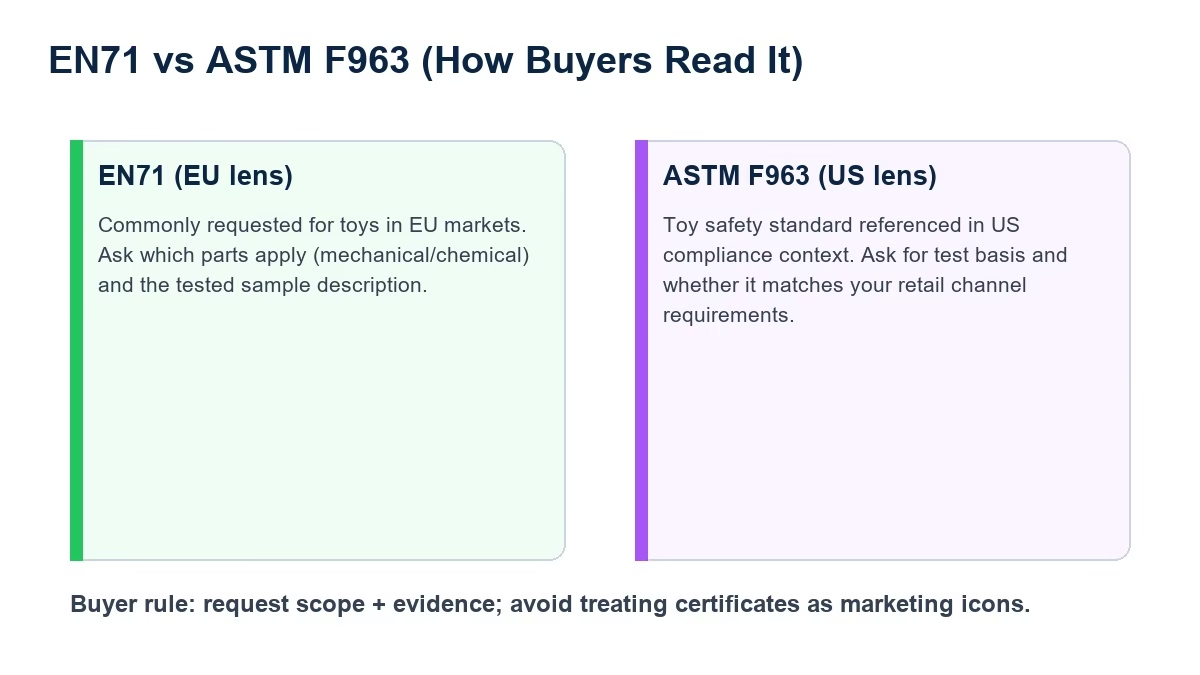
EN71 vs ASTM F963: how buyers should interpret them?
Buyers should treat EN71 and ASTM F963 as “how your market reads toy safety,” not as universal badges. Your job is to match the proof package to the destination market, then confirm the tested scope and sample description.
Practical buyer rule
- Always confirm destination market first (EU vs US rules and retailer requirements can differ).
- Ask for scope (which clauses/parts apply) and sample description (what was tested).
- Use packing + labeling photos as part of the proof package (many disputes start at labeling/packing stage).
What ISO / SEDEX / FSC do NOT guarantee (so you don’t overbuy “proof”)?
System and audit documents can improve supplier credibility, but they do not replace batch evidence. If you want fewer complaints, standardize the evidence set you request before shipment.
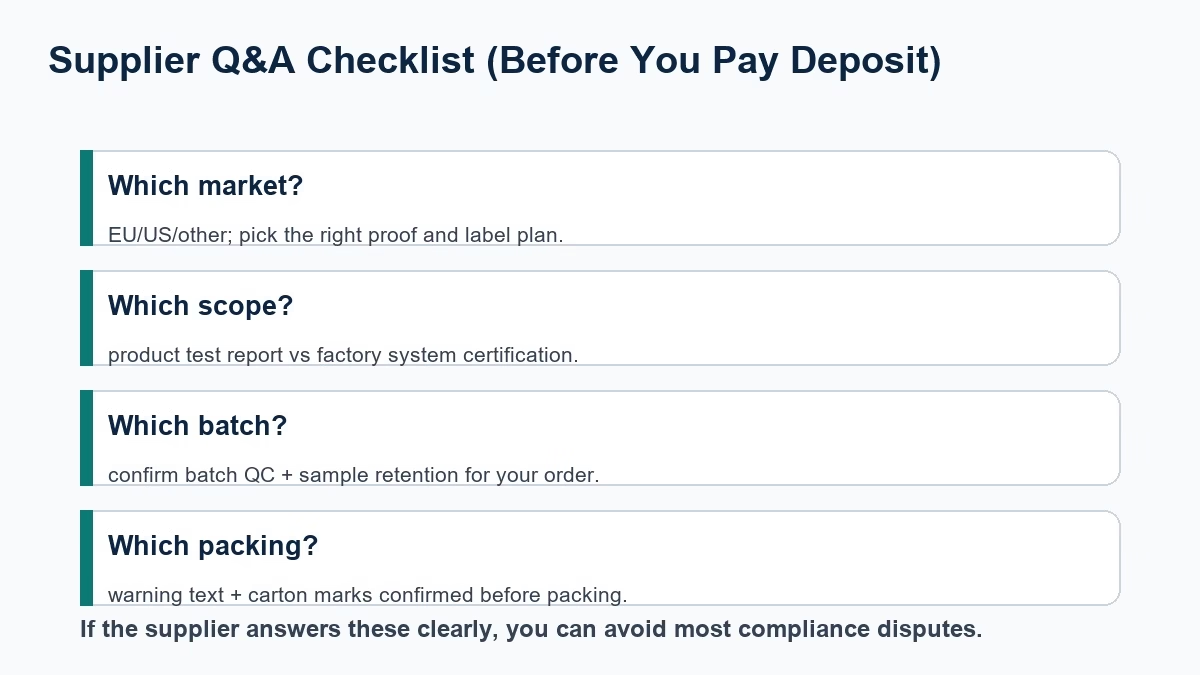
What to ask before ordering (and before approving shipment)
Use a simple Q&A checklist with your supplier: confirm market → confirm scope → confirm batch evidence → confirm packing and labels. This prevents most compliance misunderstandings without slowing the order.
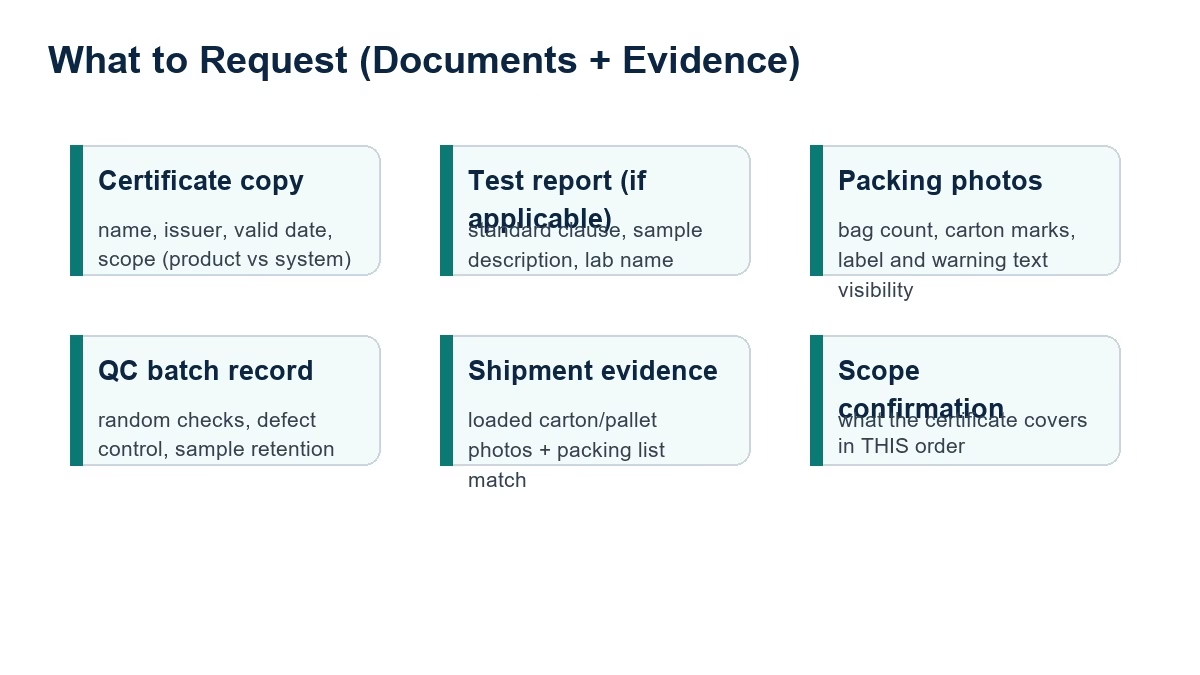
Evidence Table (pre-shipment proof set you can request)
| Evidence item | What it proves | Buyer action |
|---|---|---|
| Packing photos (bag count + carton marks) | Your packing format is correct and shipment is traceable. | Confirm carton plan and receiving labels before booking shipment. |
| Random fill test photo/video | Breakage risk and batch consistency indicator. | Request after production, before packing approval. |
| QC batch record + sample retention note | Batch control exists (not “we checked”). | Ask supplier to keep a reference sample for complaint resolution. |
| Certificate/report scope confirmation | Proof matches your market and your order scope. | Confirm standard number + scope in writing. |
Conclusion
Certificates help only when buyers use them correctly: confirm your market, confirm scope, and request batch evidence before shipment. If you’re building a water balloon wholesale program, start with the core buyer guide and then add proof pages like this to reduce repeat-order risk.