Latex Balloon AQL Inspection: How to Agree a Sampling Plan
A balloon sample can pass an inspection without proving that every balloon in the shipment is good. For a wholesale order, agree what constitutes one lot, how samples are selected, which defects count and what result means accept, hold or reject. An AQL number alone is not a complete inspection instruction.
This guide helps importers and distributors prepare that agreement. It is not an AIHUA test report, a universal balloon sampling standard or a promise of a particular defect rate.
What does AQL tell a balloon buyer?
AQL means Acceptance Quality Limit in current ISO terminology. It is used within a defined sampling scheme. Sample size, defect classifications and acceptance/rejection rules still have to be specified. NIST explains that acceptance sampling is primarily a decision about accepting a lot, not an estimate of its quality.
For example, a check in which 99 of 100 balloons show no immediate leakage describes those sampled pieces under that method. It does not establish a 1% maximum defect rate across the shipment, predict helium retention, or certify toy safety. Ask which other checks were performed and which were not.
Define the lot before choosing a sample size
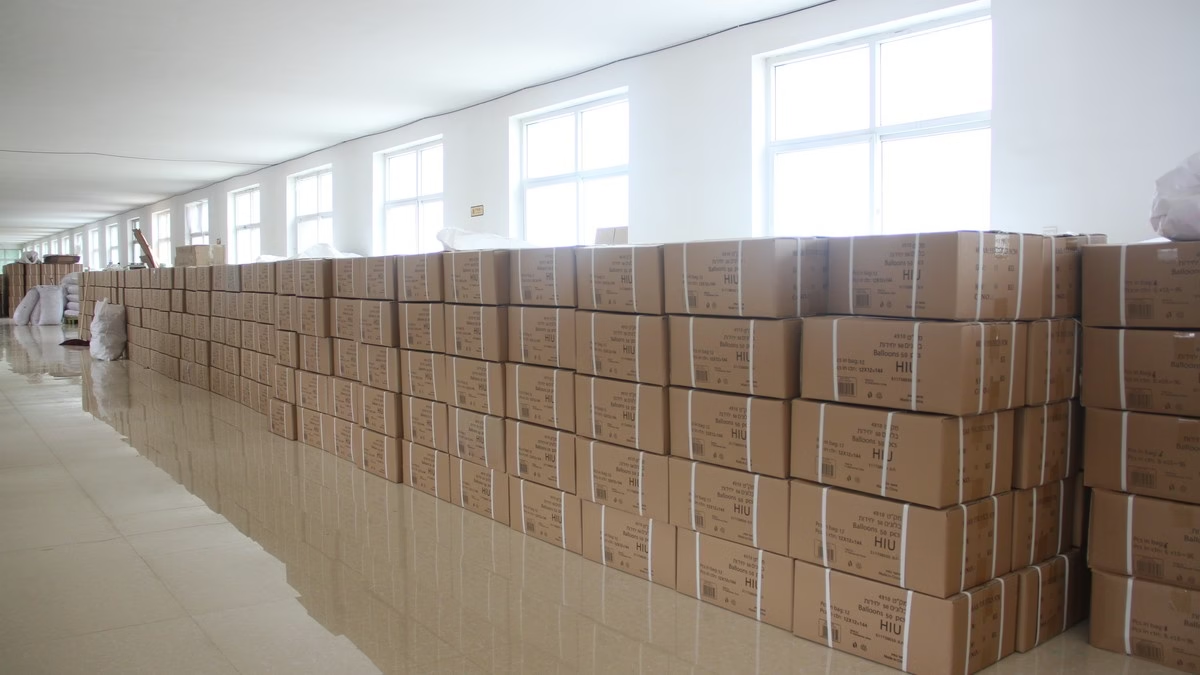
One purchase order may contain several sizes, finishes, colors and production runs. Do not silently treat that mixture as one uniform batch. Ask the inspector and supplier to document whether these groups will be inspected separately or under an agreed combined plan.
A useful lot description identifies the product, nominal size, finish, color or assortment, print version, production or packing reference and submitted quantity. A carton number identifies a place to sample; it is not necessarily the production-batch identity.
Write an inspection brief that another person can follow
| Field | What the buyer should settle |
|---|---|
| Lot and inspection unit | Which goods are included? Is one inspected unit a balloon, sealed bag or carton? |
| Sample selection | Who selects the samples, from which cartons and positions, and how is selection kept random? |
| Scheme | Name the standard and edition, inspection level and applicable normal/tightened/reduced rules, if used. |
| Defect definitions | Describe observable failures and agreed critical, major and minor categories. Keep safety concerns separate from cosmetic preferences. |
| Sample and decision | Record sample size and acceptance/rejection numbers for each check. State whether counting defective pieces or individual defects. |
| Test conditions | Specify inflation medium, target size, closure, observation time, handling and relevant environmental conditions. |
| Failed result | Name the hold, investigation, rework and reinspection procedure and who may authorize release. |
This is a practical preparation template, not a replacement for a complete sampling standard. NIST's explanation of sampling plans and risks shows why a plan can both reject a satisfactory lot and accept an unsatisfactory one. Zero failures in a sample therefore does not prove zero failures in the lot.
Do not mix balloon tests with packaging tests
A visible hole, a neck tear during an agreed inflation test, a wrong logo, a short-count bag and a damaged carton are different observations. Record them separately. A sample of individual balloons does not automatically validate the count in every sealed bag, and a bag-count check does not establish balloon performance.
For inflated appearance, compare the approved reference at the same target size and under comparable lighting. For leakage or retention, record elapsed time and closure method. For packaging, identify the bag and carton version and record the count actually checked. Use the existing visible-quality screening guide for observations, then the pre-shipment release guide to connect the results to shipment approval.
What should happen when a sample fails?
Keep the original result, failed pieces where practical, sample locations and photographs. Identify the affected lot and put its release decision on hold under the agreed procedure. Do not replace failed samples with better-looking pieces or keep drawing samples until one group passes.
After correction, record what was sorted, reworked or replaced and which reinspection rule applies. A new report should reference the earlier failure rather than erase it. Serious safety or regulatory concerns need the appropriate specialist review; commercial acceptance cannot waive legal obligations.
Which standard version should the order name?
The ISO catalogue lists ISO 2859-1:2026 as the current edition. Confirm the exact edition required by your inspection agreement. This page uses the public catalogue for version status only; it does not reproduce the paid tables or claim that AIHUA orders automatically conform to them.
Is AQL 2.5 automatically the right choice for latex balloons?
No. Agree the product, lot, inspection unit, defect classes, scheme and buyer risk requirements. A number copied from a general consumer-goods example is not an approved balloon inspection plan.
Does a sample pass prove the whole shipment is defect-free?
No. It supports the accept/reject decision under the agreed plan and tested conditions. It does not prove zero defects, future performance or compliance outside the test scope.
Can a short inflation check replace a retention test?
No. Immediate leakage and performance after a stated period answer different questions. Specify and record each required test separately.
Prepare an order-specific inspection discussion
Send AIHUA the product list, quantities, intended use, packing route and the quality problems you want to control. Include your inspection protocol or third-party requirements if available. We can discuss the required evidence and confirm the agreed scope; this article is not a record that those checks have already been performed. Start with the wholesale order guide or contact AIHUA.