
What is the shelf life of FSC balloons?
Are you worried your balloon stock will go bad before you can use it? This can lead to wasted inventory and lost profits. Understanding their shelf life1 is key.
Uninflated FSC-certified latex balloons2 can last for years if stored correctly. We recommend using them within two years for the best quality. After this time, the natural latex can become brittle and may not perform as well.
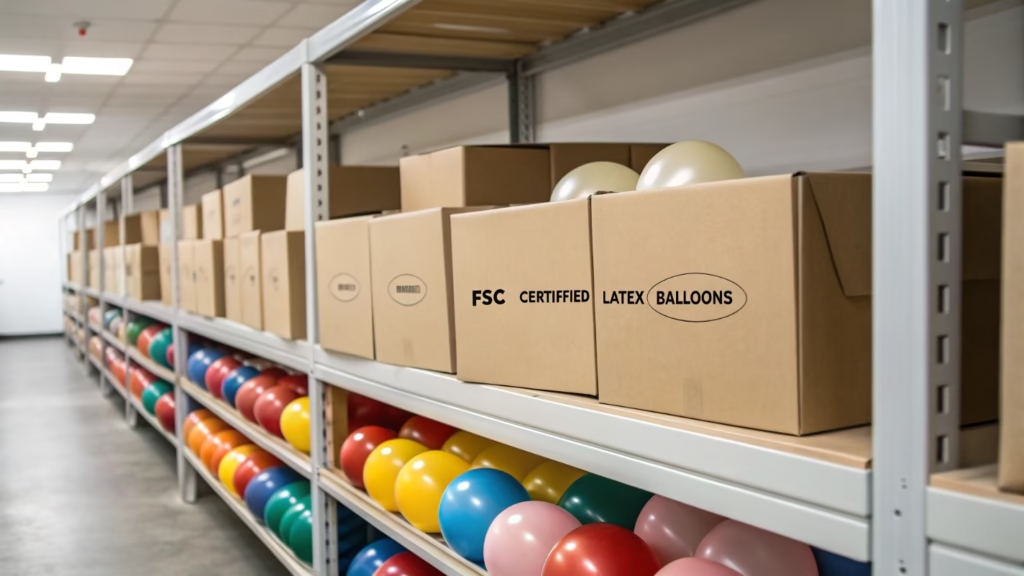
As a balloon procurement manager, you need to be sure the stock you buy today will be perfect for a celebration months or even years from now. I've spent over a decade in this industry, and one of the most common questions I get is about shelf life. It's a critical factor for managing inventory and ensuring customer satisfaction. You need reliable products that perform every time. Let's look deeper into how you can maximize the life of your balloons and protect your investment.
How should you store FSC latex balloons to maximize their lifespan?
Are you storing your balloons incorrectly? This can ruin your entire stock, costing you both money and time. Following a few simple rules will ensure long-lasting quality and performance.
Store uninflated latex balloons3 in a cool, dry, and dark place. Keep them in their original packaging or a sealed container away from direct sunlight and heat. This protects the latex from breaking down.
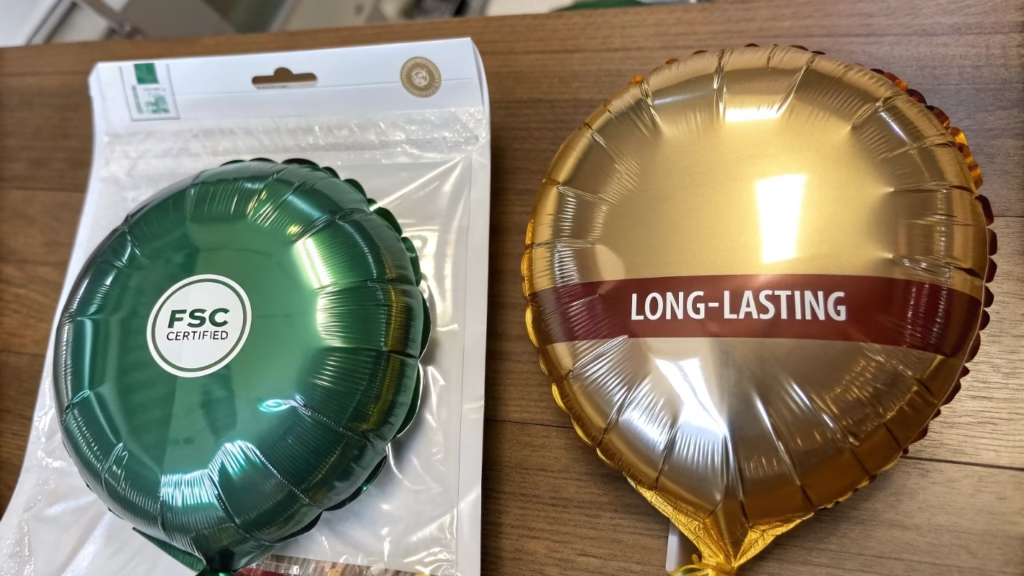
At AIHUA BALLOON, we take storage very seriously. We've learned that the environment where you keep your uninflated balloons is the single biggest factor in their longevity. Proper storage preserves the elasticity4 and color of the latex, so you get a perfect balloon every time. I always advise our partners, like Sarah at GlobalMart, to follow strict storage protocols. This isn't just a suggestion; it's essential for protecting your inventory and your reputation. A poorly stored balloon is a potential problem waiting to happen.
Key Storage Factors
The three enemies of latex are heat, light, and air5. To get the maximum shelf life, you need to control these elements. Keep balloons away from windows, heaters, and any sources of UV light. Storing them in a climate-controlled room6 is ideal.
Ideal vs. Poor Storage Conditions
Here is a simple table to show the difference between good and bad storage practices. Following the "Ideal" column will help ensure your balloons remain in top condition for as long as possible.
| Factor | Ideal Conditions | Poor Conditions |
|---|---|---|
| Temperature | Cool, consistent room temperature | Hot rooms, near heaters, or sunlight |
| Light | Dark room or opaque, sealed containers | Direct sunlight or fluorescent lighting |
| Humidity | Low humidity, dry environment | Damp or humid areas |
| Packaging | Original sealed bags or airtight containers | Open bags, loose in bins |
What are the signs that latex balloons have passed their expiry date?
Are you unsure if your old balloons are still good? Using expired balloons can lead to them popping during inflation or deflating too quickly, which disappoints customers. Learning the signs is simple.
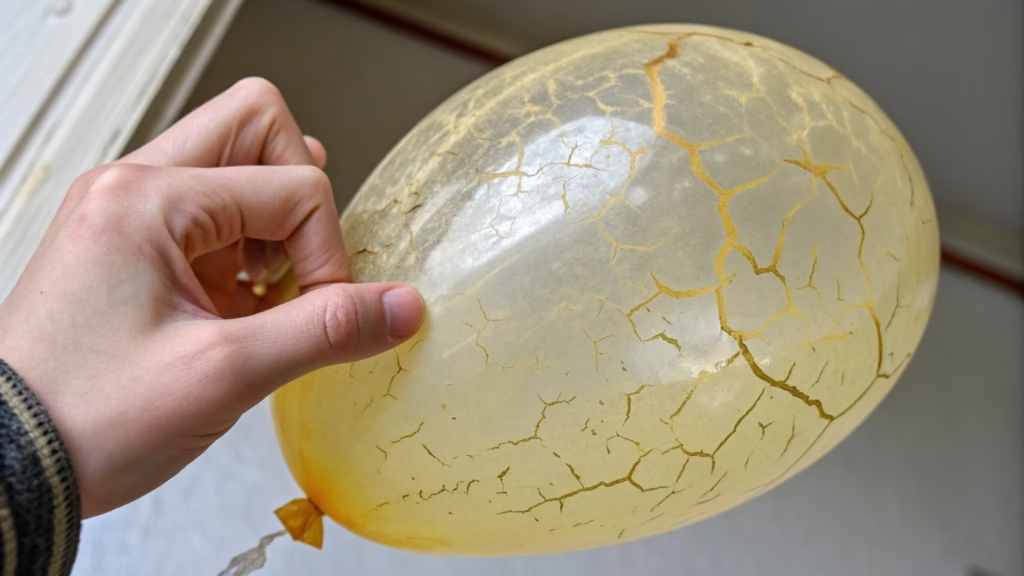
Expired latex balloons often feel stiff and brittle. They may have a chalky texture, faded colors, or dark spots. When you try to inflate them, they might pop easily or not stretch at all.
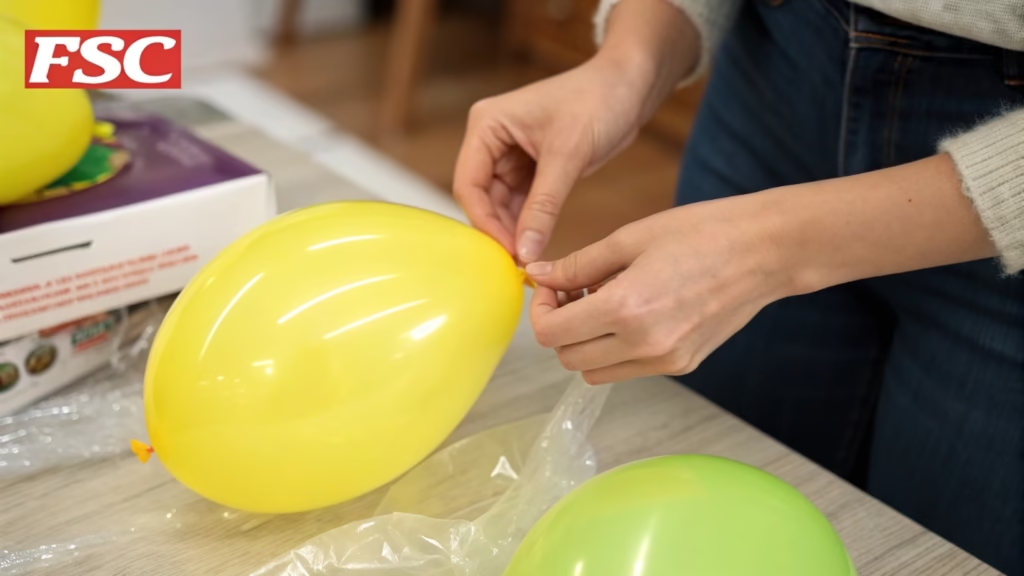
Knowing when to discard old stock is just as important as knowing how to store new stock. You never want to send out a product that might fail. I once saw a client lose a big order because they used balloons that had been stored improperly in a hot warehouse for years. The balloons kept popping during the event setup. It was a tough lesson for them. Learning to identify the signs of aging in latex will save you from similar headaches and protect your brand's reputation for quality.
Physical Inspection
Before using any older stock, it’s a good practice to do a quick physical check. A good balloon should feel soft and pliable.
- Visual Clues: Look for discoloration, patchiness, or a dull, faded appearance. Sometimes, you'll see small, sticky spots where the latex has started to break down.
- Texture and Feel: Roll a balloon between your fingers. If it feels stiff, dry, or makes a crinkling sound, it's likely past its prime. A fresh balloon will feel smooth and slightly powdery.
- The Stretch Test: Gently stretch a small part of the balloon. If it resists stretching or shows signs of cracking, it's too old. A good balloon will stretch easily without any issue.
We always recommend a "first in, first out7" inventory system to ensure you're always using your freshest stock first.
How does the shelf life of latex compare to foil or mylar balloons?
Are you choosing between latex and foil for your inventory? The wrong choice could lead to expired stock and lost money. Understanding their different shelf lives is crucial for smart purchasing decisions.
Uninflated foil balloons have a much longer shelf life, easily lasting for many years in storage. Latex balloons are best used within two years. Once inflated, foil balloons also hold helium longer, often for a week or more.
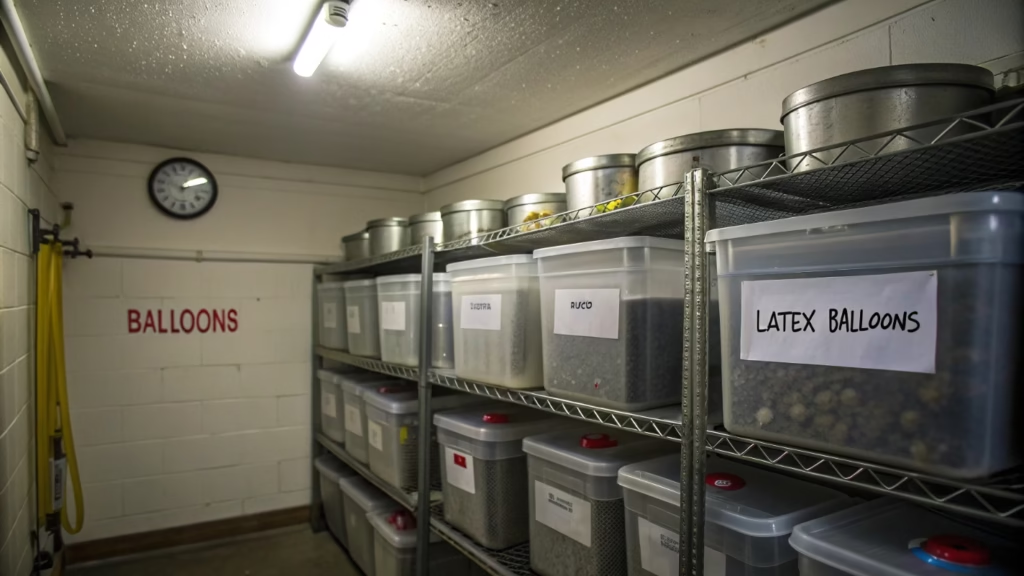
Both latex and foil balloons have their place in the market. As a procurement manager, you have to weigh the pros and cons of each based on your business needs. Foil balloons are made from a non-porous synthetic material, which gives them incredible longevity in storage and a longer float time. Latex, being a natural product, has a more limited lifespan. However, latex balloons are often more affordable and offer a classic look that many customers love. For our large retail partners, we often recommend a balanced inventory that includes both types to meet diverse customer demands.
Uninflated Shelf Life
The difference in material is the main reason for the difference in shelf life.
- Foil (Mylar): This material is very stable. It doesn't break down easily from exposure to air or moderate temperature changes. You could find a foil balloon from a decade ago and it would likely inflate perfectly.
- Latex: As a natural rubber8 product, latex is biodegradable and sensitive to environmental factors like heat and UV light, which cause it to become brittle over time.
Inflated Float Time Comparison
Once filled, the differences become even more clear. This table breaks it down.
| Balloon Type | Material | Uninflated Shelf Life | Inflated Float Time (Helium) |
|---|---|---|---|
| Latex | Natural Rubber | 1-2 years (ideal) | 8-12 hours (up to a few days with Hi-Float) |
| Foil | Mylar (Nylon/Metal) | 5+ years | 5-7 days (can last weeks) |
Does the natural rubber material in FSC balloons affect their durability?
Are you concerned that the eco-friendly aspect of FSC balloons means they are less durable? Some think that "natural" means "weaker," but that is not the case. Let's clear up this misconception.
The natural rubber in FSC-certified balloons does not negatively affect their durability. In fact, our high-quality latex provides excellent elasticity and strength, meeting the same rigorous performance standards as non-certified balloons.
I am proud that AIHUA BALLOON is committed to responsible sourcing through FSC certification9. This is a topic I discuss frequently with buyers like Sarah, who are increasingly focused on sustainability. She needs to know that choosing an eco-friendly product doesn't mean compromising on the quality her customers expect. The FSC certification ensures the natural rubber is harvested from responsibly managed forests. The material itself is the same high-grade latex we have always used, known for its strength and vibrant colors. It's about a better process, not a different material.
Quality and Performance
FSC certification is about the origin of the raw material, not its performance characteristics.
- Elasticity: Our FSC latex balloons have superior elasticity, allowing them to inflate evenly without weak spots. This is crucial for creating professional balloon arrangements and preventing premature popping.
- Strength: The tensile strength10 of our latex is tested to meet strict global standards. This ensures they can withstand the normal handling and environmental pressures of any event or celebration.
- Color Retention: The quality of the latex also affects how well it holds pigment. Our balloons feature bright, consistent colors that don't fade quickly, even when inflated.
Choosing FSC-certified balloons from a trusted manufacturer like us means you get a product that is both environmentally responsible and commercially reliable. You don't have to choose between your values and your quality standards.
Conclusion
Properly storing your FSC latex balloons in a cool, dark, and dry place is essential. This ensures they remain durable and ready for any celebration for up to two years.
-
Learn how to assess the shelf life of latex balloons to avoid waste and ensure quality. ↩
-
Explore the advantages of FSC-certified latex balloons for eco-friendly celebrations. ↩
-
Discover the best storage practices for uninflated latex balloons to maximize their lifespan. ↩
-
Explore the role of elasticity in balloon performance for successful event planning. ↩
-
Understand the impact of environmental factors on latex balloons to protect your inventory. ↩
-
Learn about climate-controlled storage solutions for maintaining balloon quality. ↩
-
Understand the first in, first out system to manage your balloon inventory effectively. ↩
-
Find out how natural rubber impacts balloon durability and performance. ↩
-
Learn about FSC certification and its significance for eco-friendly balloon products. ↩
-
Understand tensile strength and its importance for the durability of latex balloons. ↩