
Air vs Helium Balloons: The Professional Decorator’s Choice
Choose helium when the design requires lift; choose air when balloons will be fixed to an arch, garland, column, wall, frame or another non-floating structure. Air and helium answer different endpoints; neither is a balloon-grade label. For a wholesale buyer, the important question is whether the identified balloon, target diameter, closure, equipment, environment and sample plan meet the required job and endpoint.
Fast selection rule
- Define the visual job: floating or fixed structure.
- Identify the exact balloon product, nominal size, finish and print requirement.
- Approve a target diameter instead of “inflate as large as possible”.
- Record gas, equipment, closure, attachments and conditions.
- Test the endpoint that matters: lift, acceptable shape, breakage or another written criterion.

Air vs helium balloons: buyer decision table
| Buyer question | Air-filled job | Helium-filled job | Record before approval |
|---|---|---|---|
| Required effect | Fixed or supported display without independent lift. | Lift or float is part of the design requirement. | Installation sketch, attachment method and acceptance endpoint. |
| Typical decision | Arch, garland, column, wall, frame or table structure. | Bouquet, ceiling/floating element or another lift-dependent use. | Product, nominal size, target diameter, quantity and accessories. |
| Equipment | Manual or electric air equipment selected by the buyer/operator. | Local helium source, cylinder/regulator and trained operator selected by the buyer. | Equipment identity, nozzle/contact method and current instructions. |
| Performance endpoint | Required size, shape and structural condition. | Required lift plus the agreed appearance/condition. | Observation schedule, conditions, sample count and pass rule. |
| Supplier boundary | AIHUA supplies uninflated latex balloons, not local inflation labor, gas, cylinders or a universal performance guarantee. | Order-specific sample and written specification. | |
Gas choice does not replace product identification. A buyer still needs the exact size, finish, colour, print, target diameter, quantity, bag/carton requirements and destination-market documentation. Use the size-selection owner before testing, and use the AIHUA latex balloon catalog to identify the relevant product family.

Why target diameter matters for both gases
Nominal size is an order reference, not permission to inflate every balloon to an unlimited diameter. For both air and helium, compare an agreed target diameter or template with the actual sample. A visual stop rule can help an operator, but it is not as reproducible as a measured target.
For an inflation setup and complaint record, use the inflation-method and overinflation guide. It separates equipment, nozzle contact, closure, operator method, environment and product variation instead of treating every burst or undersized result as a material defect.
Do not confuse float time with acceptable appearance
A helium-filled balloon can be judged by whether it still provides the required lift. An air-filled balloon is normally judged by size, shape and its condition in the supported structure. Those are different endpoints. A statement that one “lasts longer” is incomplete unless the product, diameter, closure, conditions, sample count, observation schedule and endpoint are all defined.
The condition-controlled duration guide defines the fields needed for a valid comparison. The deflation mechanism owner explains why gradual gas loss, closure leakage, temperature-related size change, puncture and surface damage must be diagnosed separately.

Include size, print and attachments in the gas decision
A gas label alone is not enough for an order. Nominal size and target diameter affect the inflated volume; ribbon, weights, tags and other attachments affect a lift-dependent job; print area and position must be checked at the intended inflation target. A result from one plain balloon should not automatically approve a different size, finish, printed design or attachment set.
Quantity planning also needs a written basis. State the number required for the finished installation, the buyer's replacement/spare policy, the sample quantity and the party responsible for local gas and equipment planning. AIHUA should not estimate cylinder capacity, local gas availability, operator time or event-service cost from the balloon quantity alone. Those inputs belong to the buyer's qualified local gas/equipment provider and installation team.
For a printed floating application, include the artwork orientation, print position, intended viewing direction and attached ribbon/weight in the approval sample. For a fixed air-filled structure, include the frame, strip, glue point or other contact method that matters to the buyer's installation. These records make the order reproducible without claiming that one public setup covers every project.
Wholesale order fields for an air-or-helium use
- Buyer and market: company/use case, destination country and applicable label/document needs.
- Product: product family/SKU if known, material scope, nominal size, finish and colour.
- Decoration job: floating, fixed structure, bouquet, arch, garland, column, ceiling element or another defined use.
- Gas: air or helium; AIHUA does not approve hydrogen or another flammable substitute.
- Target: diameter/template, lift or shape endpoint and attached ribbon/weight/accessory where relevant.
- Method: equipment, nozzle/contact method, closure and operator instructions used for the sample.
- Conditions: indoor/outdoor, date/time, temperature and humidity where available, sun, wind and surfaces.
- Sample plan: sample source, count, selection, observation schedule and written pass rule.
- Commercial specification: total quantity, print/artwork, bag count, warning text, private label and carton needs.
- Evidence: raw counts, images/video, observation times and limitations—not a conclusion without its record.
Printed orders also require artwork, position, colour and packaging approval. Use the custom printed latex balloon owner for that workflow. Standard nonprinted orders usually start at USD 5,000; printed balloons start at 50,000 pieces per design; custom packaging normally starts at USD 10,000; sample terms are decided case by case.
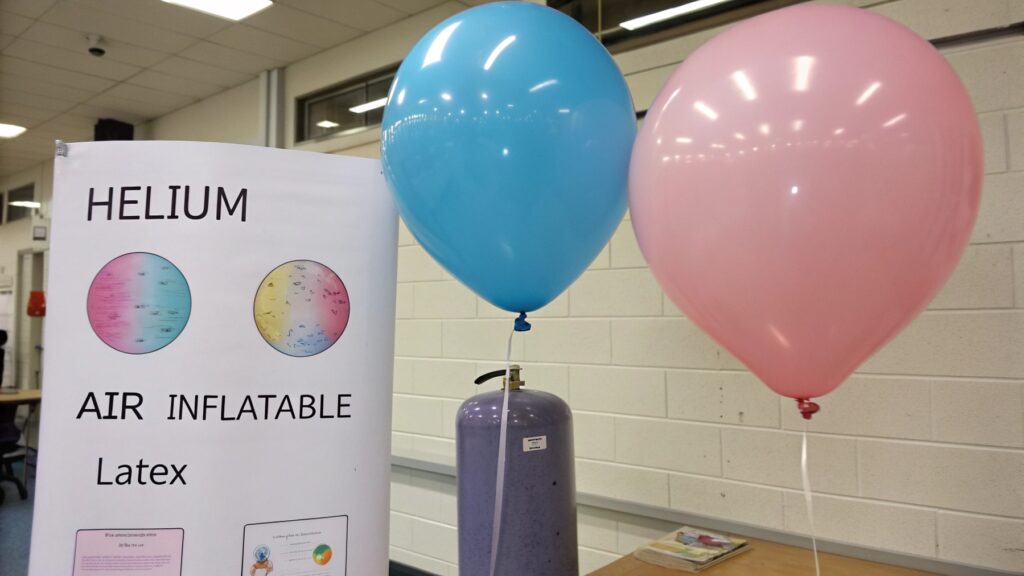
How to compare samples without making a universal promise
- Select the identified product and record the sample source.
- Use the intended gas and the buyer's actual target diameter.
- Keep closure, attachments, equipment, operator method and conditions comparable.
- Define the endpoint before the result is known: lift, acceptable shape, breakage or another written criterion.
- Record the affected count and total sample count; never report a percentage without its denominator.
- Keep raw images/video and observation times. Generated illustrations are not sample evidence.
This process supports an order decision but does not convert one sample into a guarantee for every batch, size, gas source or environment. The wholesale quality owner explains how to separate identity, measurable observations and acceptance rules.
Complaint routing: identify the symptom first
| Symptom | Check first | Send to AIHUA |
|---|---|---|
| Insufficient lift | Product/size, target diameter, gas setup, closure and attached weight. | Order/batch, setup record, measured diameter, attachments and elapsed observation. |
| Loss of size or float | Endpoint, closure, puncture, environment and observation time. | Same-condition comparison, raw affected/total count and images/video. |
| Burst during inflation | Target diameter, equipment/nozzle, rough contact, operator method and product variation. | Target versus actual diameter, sample identities and setup evidence. |
| Mixed results | Sample source, operators, equipment, stop rule and closure. | Separated records rather than one combined percentage. |
Gas, child-safety and supplier boundaries
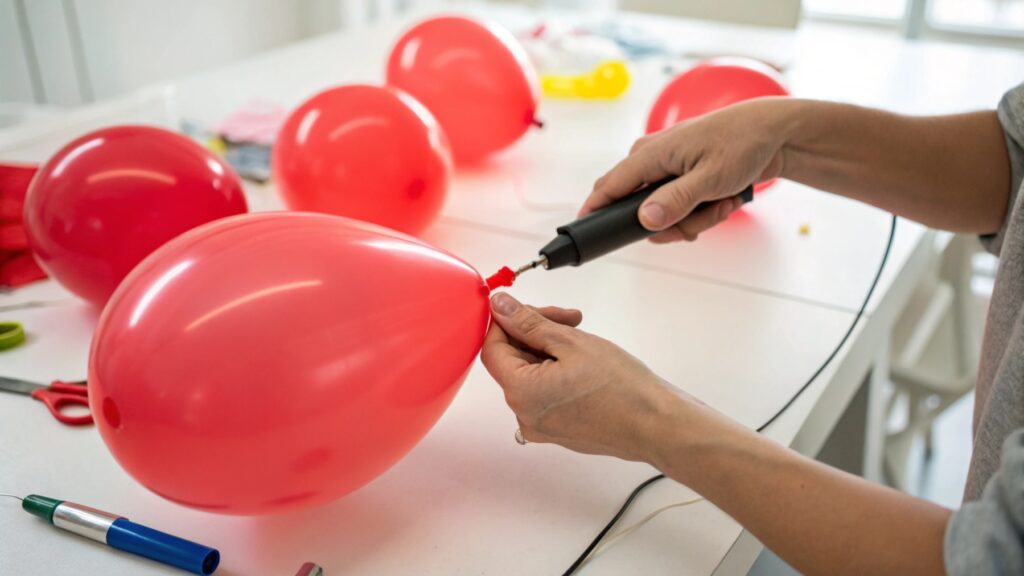
AIHUA supplies uninflated latex balloons. Buyers must arrange helium, cylinders, regulators, pumps, trained operators and any local inflation service separately. Follow the gas/equipment supplier's current instructions and the rules that apply in the buyer's workplace and market. OSHA's compressed-gas requirements are a primary US workplace reference; this page does not provide cylinder operating instructions.
For US consumer labeling, the CPSC states that latex balloons and certain related toy/game advertising require choking-hazard labeling. Review the current CPSC seller guidance and the destination market's requirements. Keep uninflated and broken balloon pieces away from children and discard broken pieces promptly.
- Control inflation method and overinflation
- Diagnose latex balloon deflation
- Plan a condition-controlled duration check
- Confirm size and target diameter
- Define wholesale quality evidence
- Prepare a custom-print approval file
- Review the AIHUA latex balloon catalog
- Send AIHUA a traceable air-or-helium use case
Buyer FAQ
What is the main difference between air and helium balloons?
Helium is selected when lift is required. Air is selected when the balloon will be fixed to a structure or used as a non-floating display. The gas choice changes the job and acceptance endpoint; it does not by itself define balloon material quality.
Can every latex balloon be approved for helium use from a public page?
No. Confirm the exact product, nominal size, intended diameter, attachments, closure and required lift through an order-specific sample under the intended setup. A generic article cannot approve every item or use.
Can air and helium balloons be compared with one universal duration?
There is no useful universal answer because acceptable shape and continued float are different endpoints. Compare the identified product under recorded conditions and define the endpoint before testing.
Does AIHUA supply helium or a local inflation service?
No. AIHUA supplies uninflated latex balloons. Buyers arrange helium, cylinders, regulators, pumps, trained operators and local inflation services separately and must follow current supplier instructions and applicable rules.
What should a wholesale buyer send for an air-or-helium quotation?
Send the product or application, nominal size and finish, air-or-helium job, target diameter, required quantity, print and packaging needs, destination market, sample method and the acceptance endpoint that matters.